
Orava Castle Pilgrimage
Statue, monument, memorial plaque
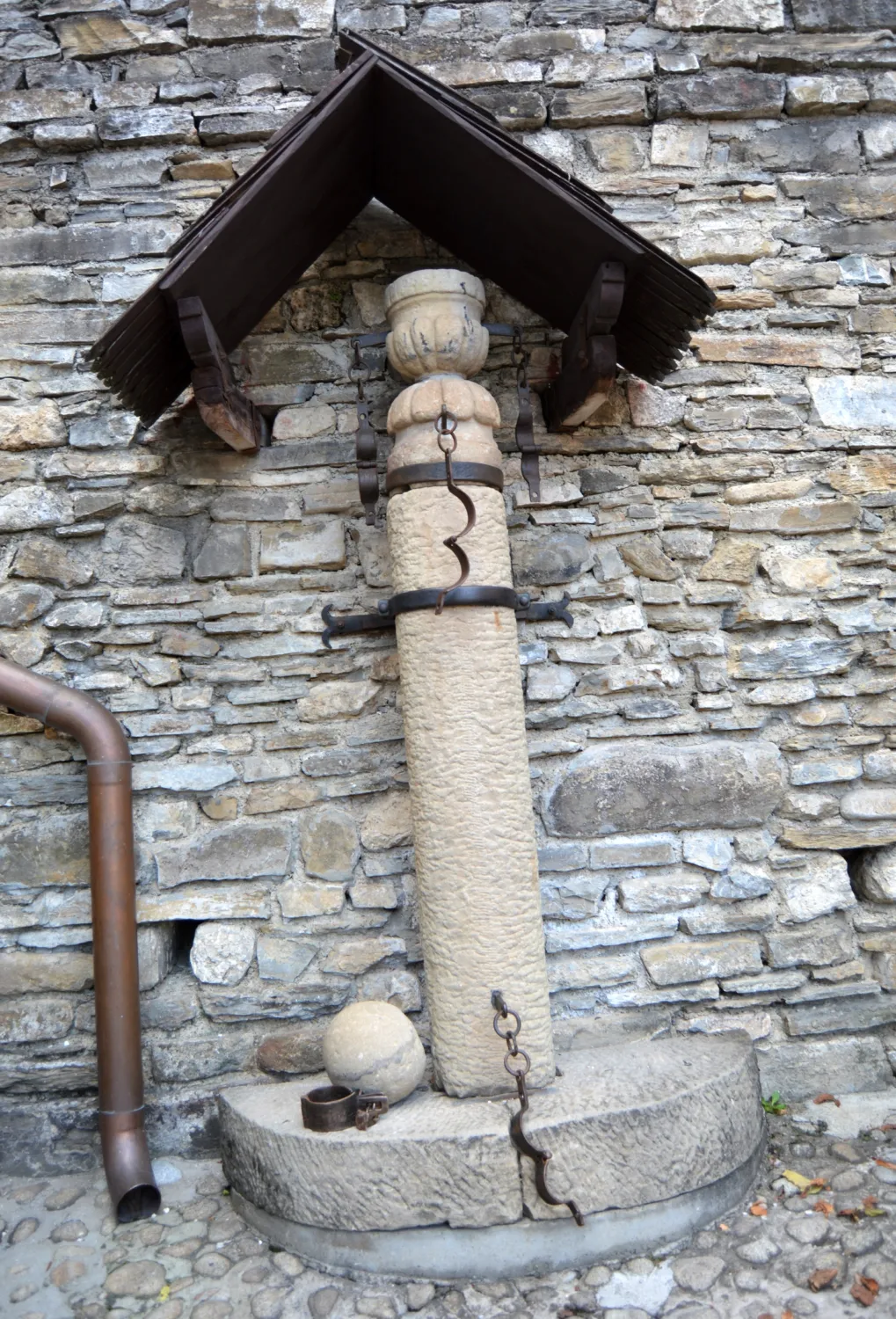
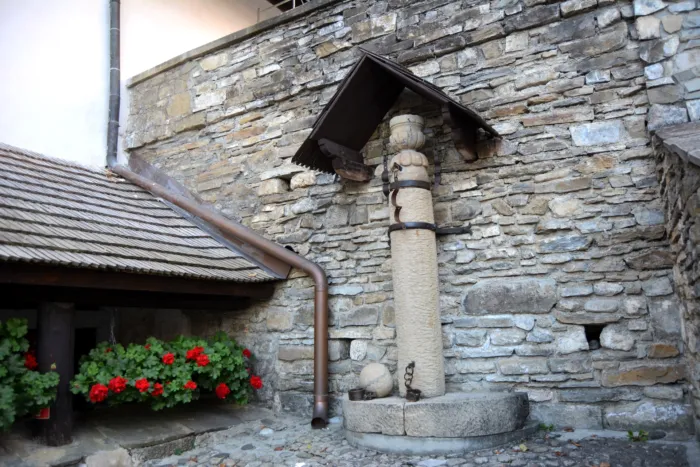
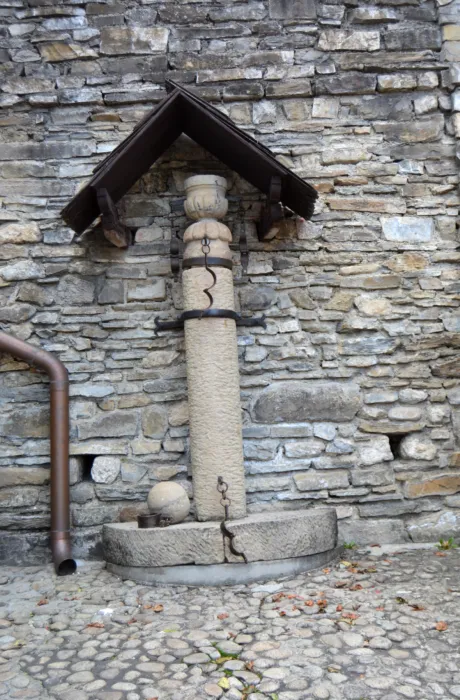
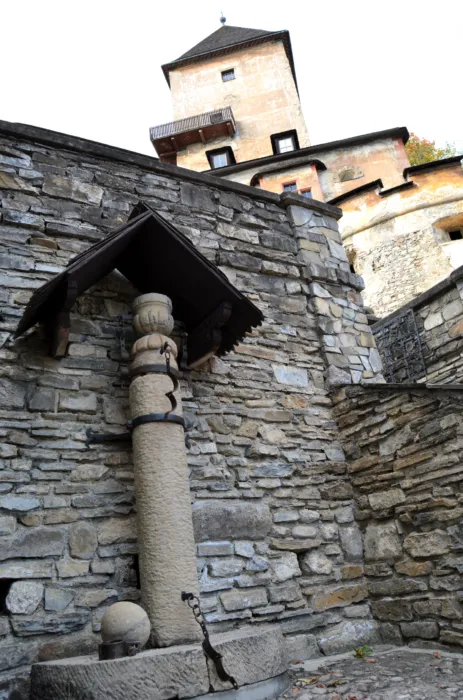
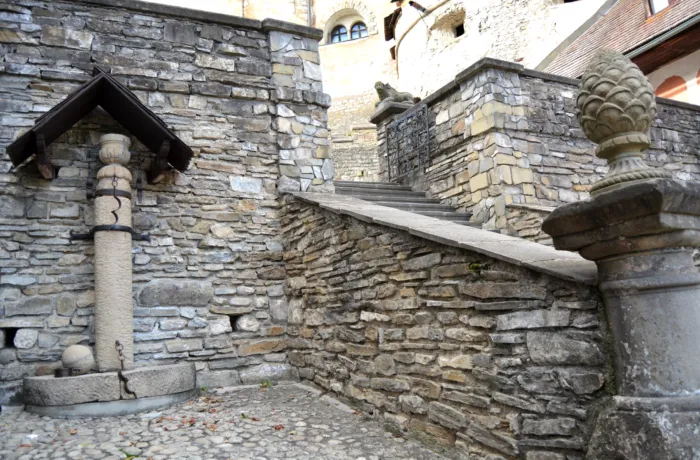
In the feudal era, it was a penal instrument used to humiliate, punish and dishonour the convicted, and it was generally used by various penal authorities in the German-populated areas of our country since the 13th century and since the 1532 code of Charles V. After 1786, it was only allowed to be used to punish theft. Its common local names were: pillar of shame, pillar of shame, executioner, cégér, pelengér, pilinger, pillinger, perrenger, pölöngér. It was also considered a symbol of penal authority and until the mid-18th century, the pillengér erected in the market square, in front of the village hall or next to the mill was part of the image of villages and towns. – It was a simple pillar or stone structure to which the condemned person was chained for a certain period of time, thus exposing them to the ridicule of their surroundings, or they were beaten on the pillory by the executioner or the whip. ; – Punishment with the pillory could be a main or secondary punishment. Its purpose was to publicly draw the attention of society to the condemned person and at the same time shame them. The consequence of being put on the pillory with the executioner's assistance was the loss of civic honor, the condemned person became disenfranchised, and was no longer a full member of society, e.g. he could not be a member of a guild. It was considered an additional punishment if corporal punishment or mutilation was carried out in addition to the pillory, e.g. caning or cutting off the ear. Under Joseph II, the pillory had to be removed, but after his death it was used again in many places together with other humiliating punishments. The remaining pillories were later demolished for urban beautification and traffic reasons. Only a few copies remain. ; The pillar of shame was erected next to the terrace wall of the castle courtyard. Originally, it served the law in Veličná near Alsókubín.