
Orava Castle
Building, structure
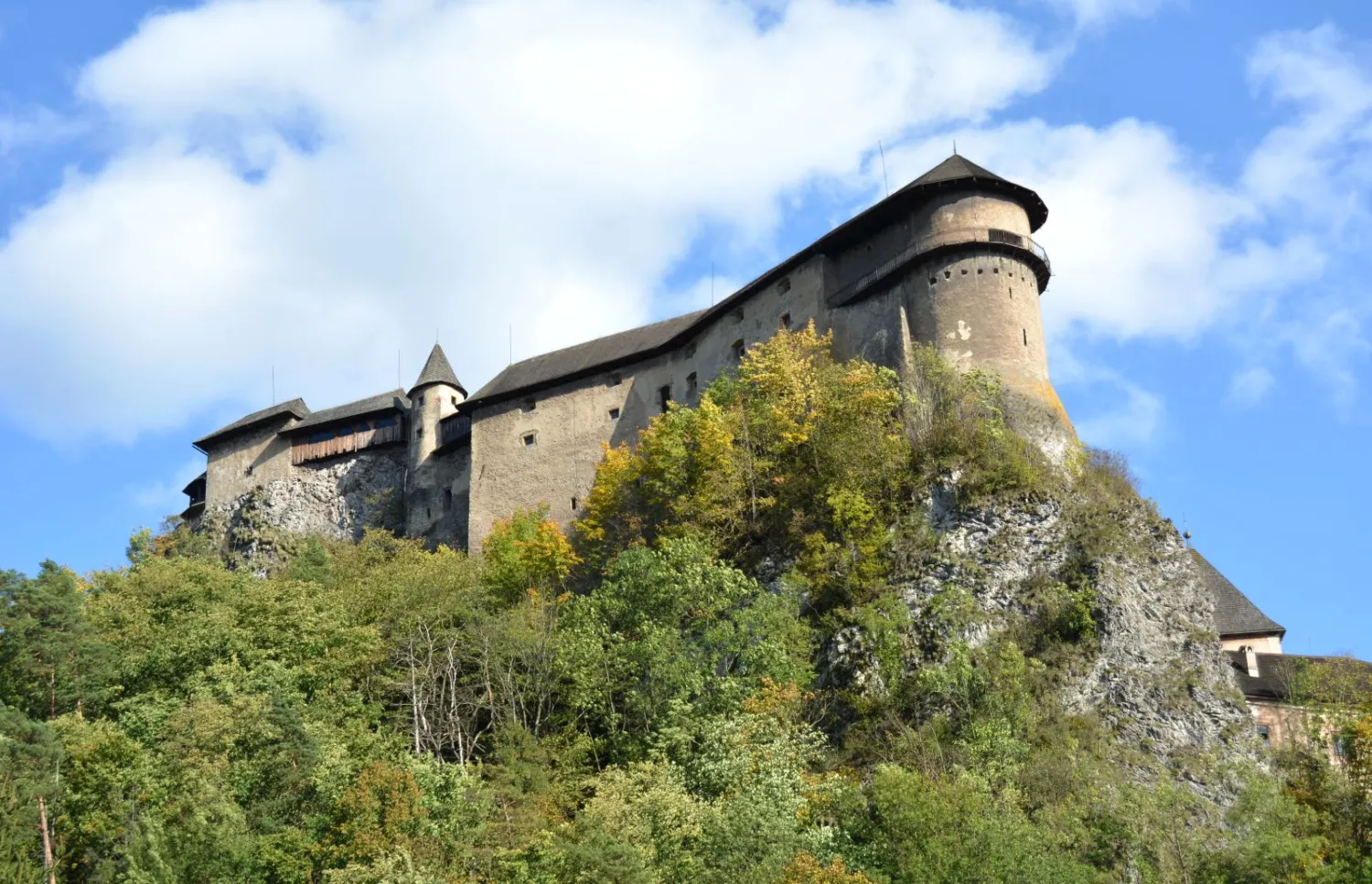
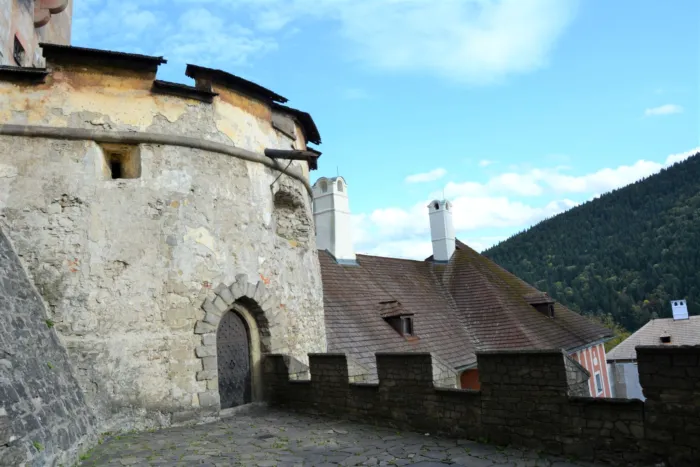
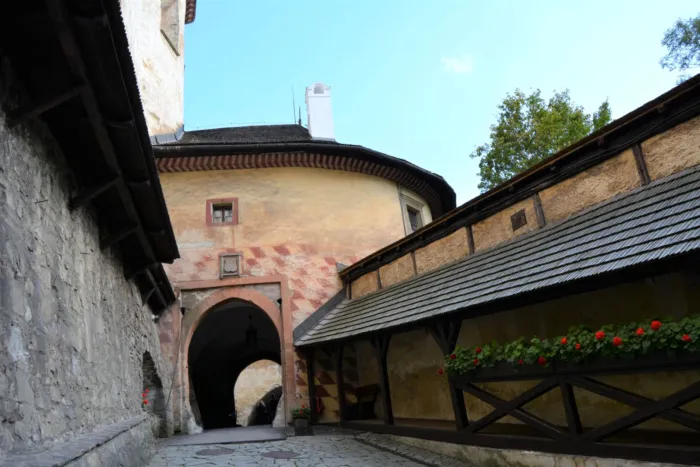
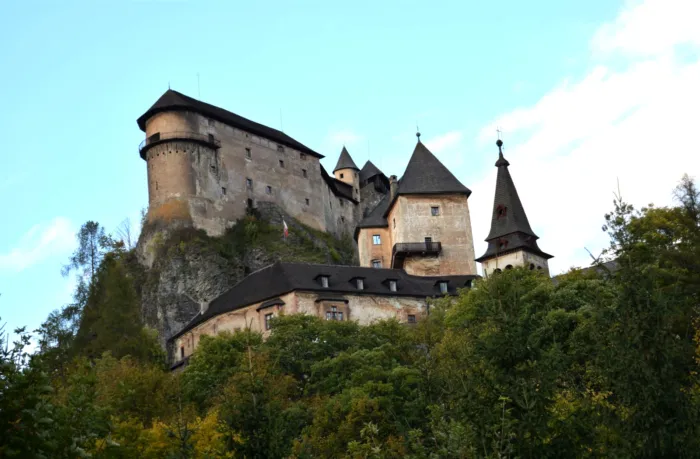
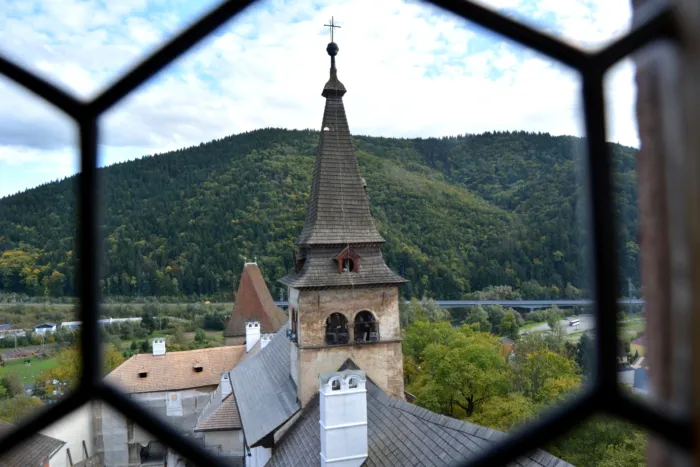
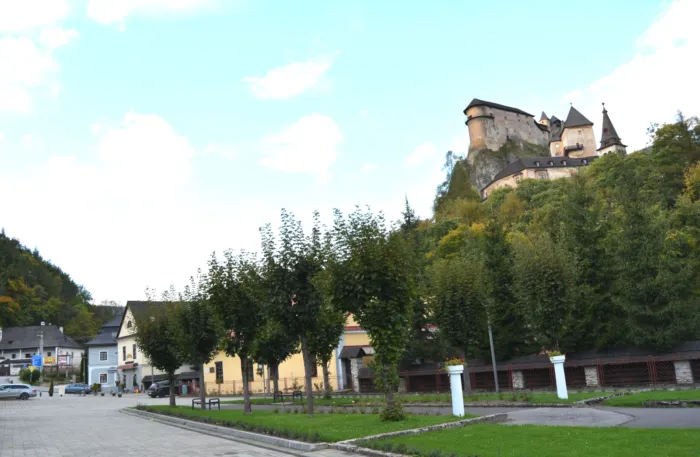
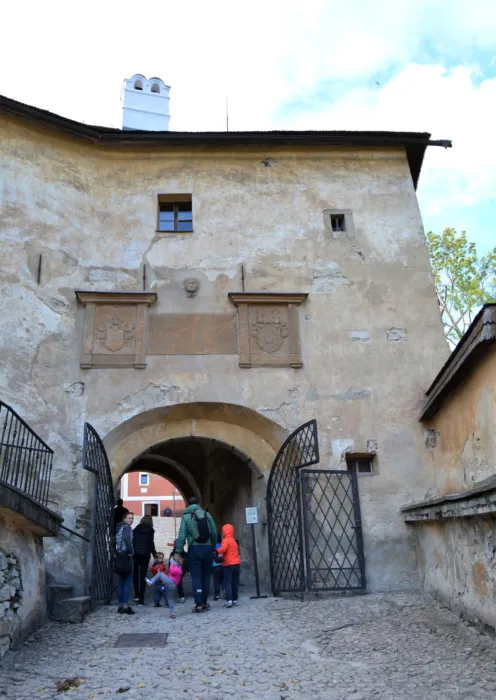
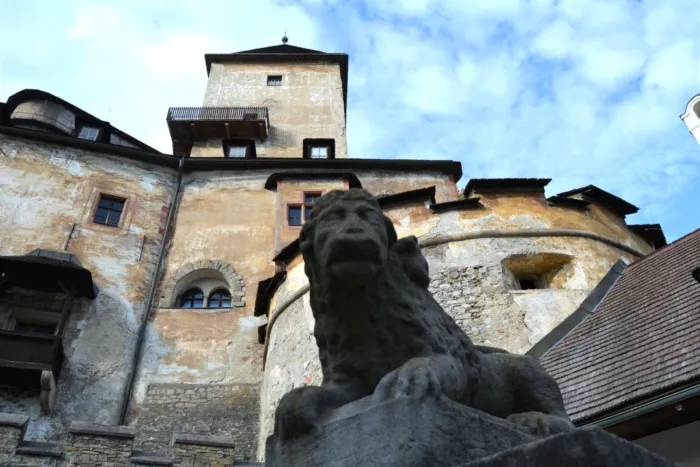
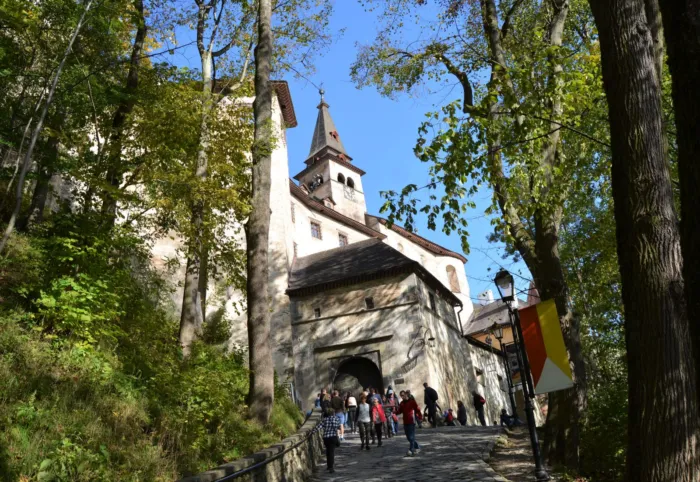
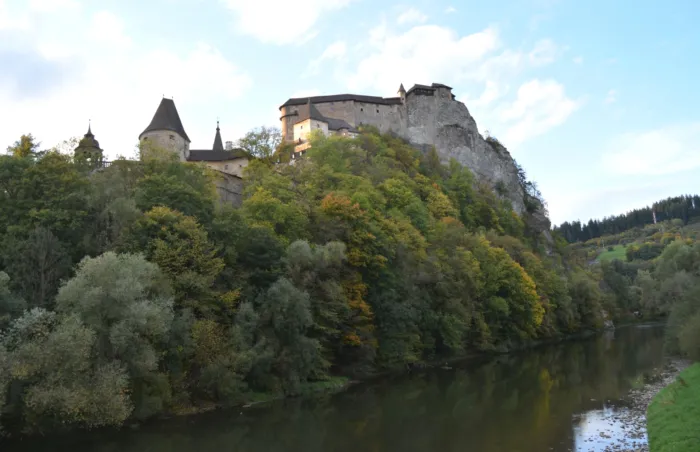
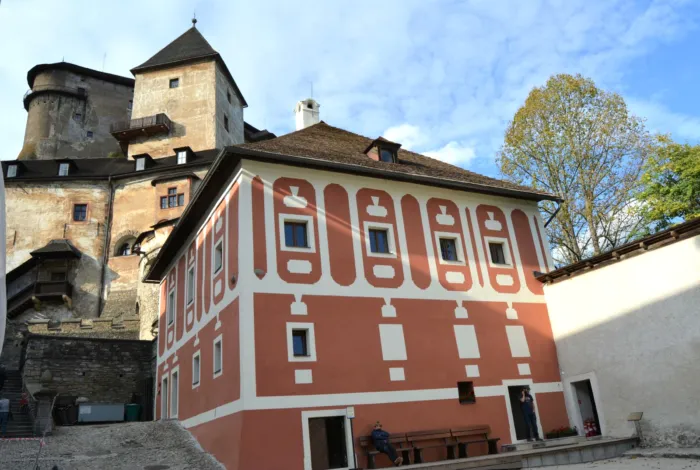
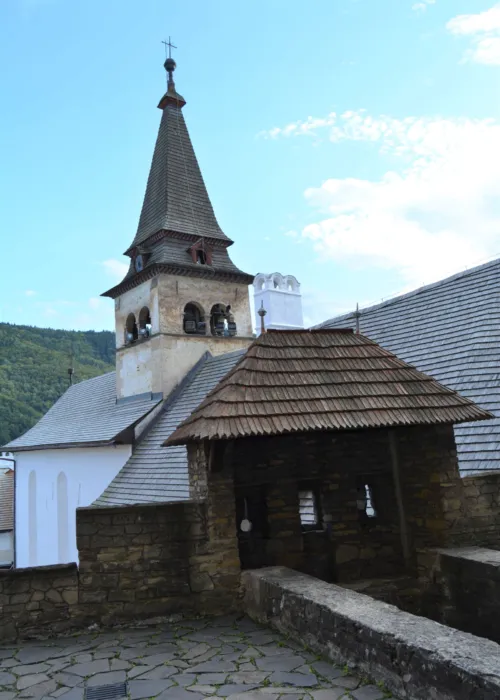
It was built as a royal castle in the 13th century, the center of a castle governorship after 1267. It protected the border from the Poles. Our Árpád kings constantly strengthened the castle. However, King Sigismund pawned it to the Polish-born voivode Stibor at the beginning of the 15th century. In the middle of the 15th century, Péter Komorowsky, a Polish knight sympathetic to the Czech Jiskrá, captured the castle of Árva and terrorized the wide area from there to Zólyom for 25 years. Only King Matthias put an end to Komorowsky's rampages, buying the castle from him, hiring the battle-hardened castle guard and adding them to his famous black army. (They wore black clothes.) For political reasons, King Matthias imprisoned the Kalocsa archbishop Peter of Váradi, who opposed him, in Árva castle. Later, King Matthias gave Orva to his son. János Corvin, Duke of Liptov. In 1495, István Szapolyai, the lord of the castle, captured Orva along with the other estates of János Corvin. In 1534, Ferenc Thurzó acquired Orva. A new, bright era began for the castle surrounded by pine forests. The rich Thurzós, who were originally involved in trade, had 75 villages and 6 towns in this area, and the Orva Castle estate covered 80,000 acres. The Gothic castle was first rebuilt and expanded around 1540 and then around 1610, and Orva Castle was expanded with Renaissance and Baroque elements. In 1678, Prince Imre Thököly occupied Orva for a while, and in January 1709, Ferenc Rákóczi's castle captain, Ferenc Babocsay, defeated the besieging imperial army under the castle, but in April the Kuruc guard had to surrender the castle. In 1800, a great fire devastated the castle, but the damage was repaired, and the heirs lived in it for a long time, and later many of its rooms were arranged as a natural history museum. Even at the beginning of the 20th century, the Thurzó heirs, the Pálffy and Erdődy counts, lived in the castle. ; Orva Castle is an incomparably beautiful castle, rising picturesquely on the top of a lonely cone-shaped limestone hill. It is one of the most daringly built and spectacular castles in Central Europe. It consists of three separate castle parts, which were built one above the other on three levels of the mountainside. Under the chapel of the lower castle is the tomb of the Thurzó family. The castle well in the middle castle is 91 meters deep. The upper castle was built in 1561 by Ferenc Thurzó on the top of a mountain peak 136 meters above the level of the Árva River. The castle was owned by the Thurzó heirs until the mid-1920s. The Czechoslovak state had it restored after 1960 and turned it into a museum.