
Apátújfalus Village Museum
Country house, craft house
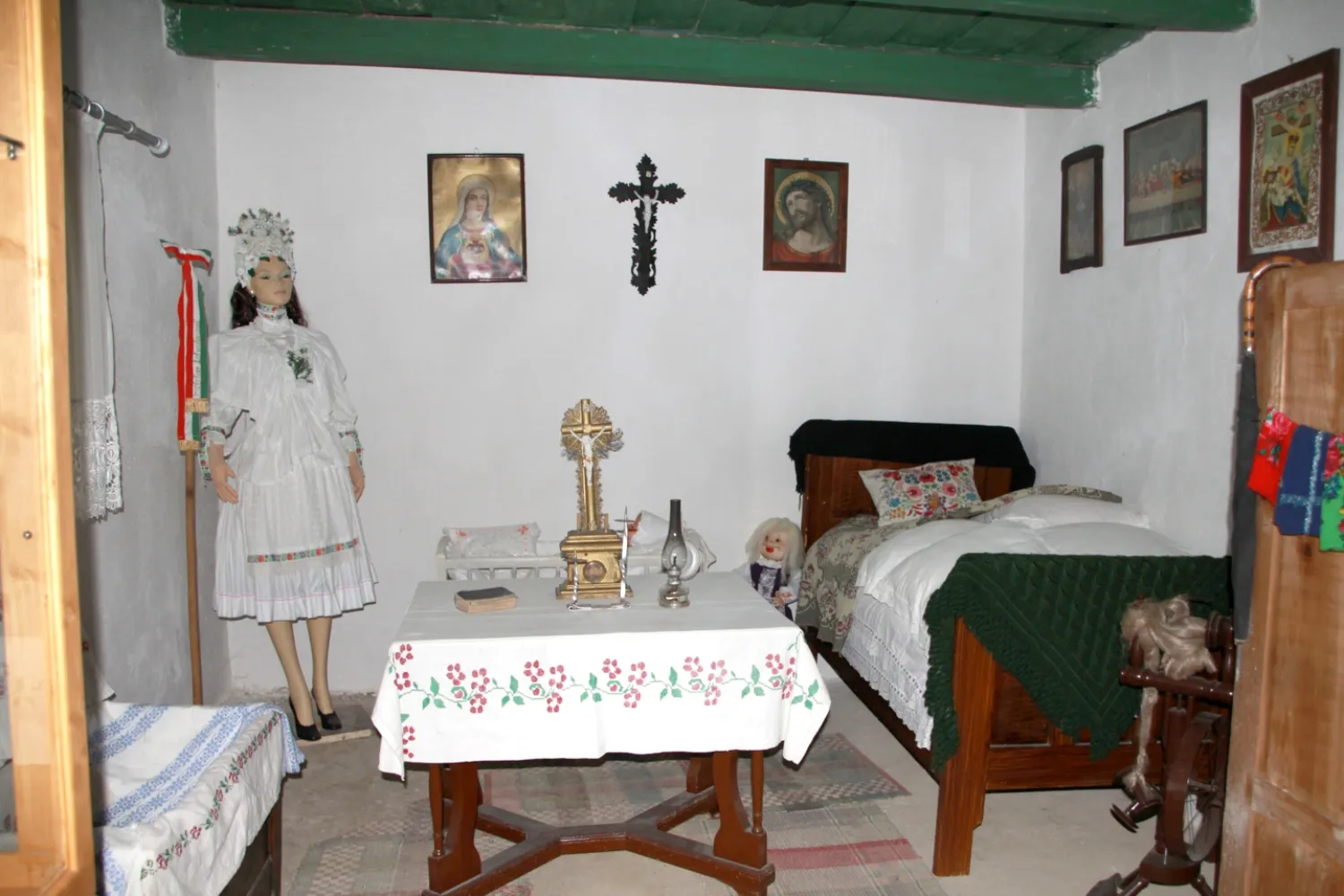
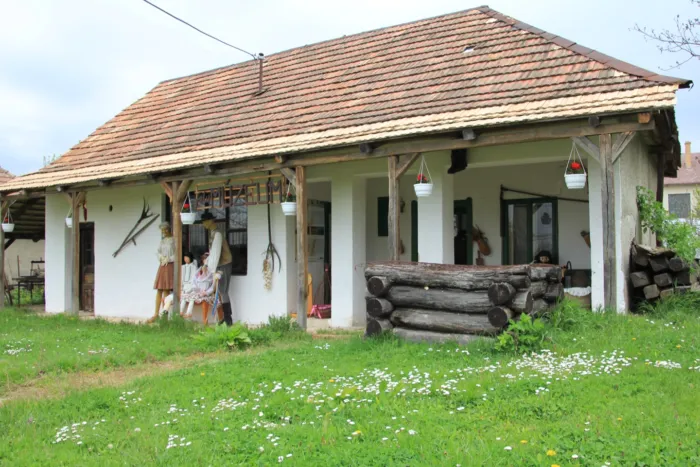
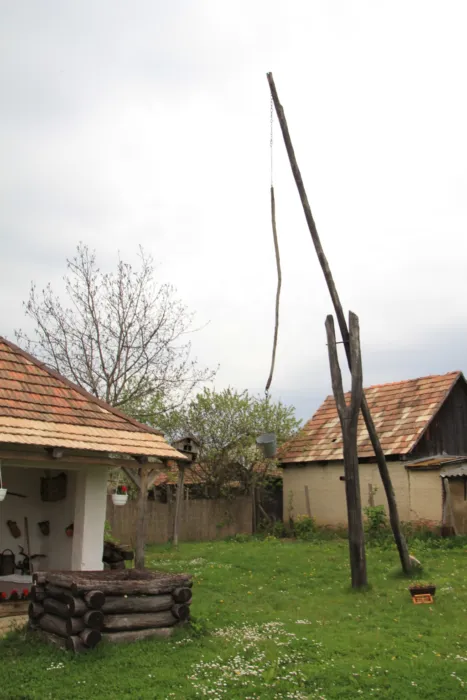
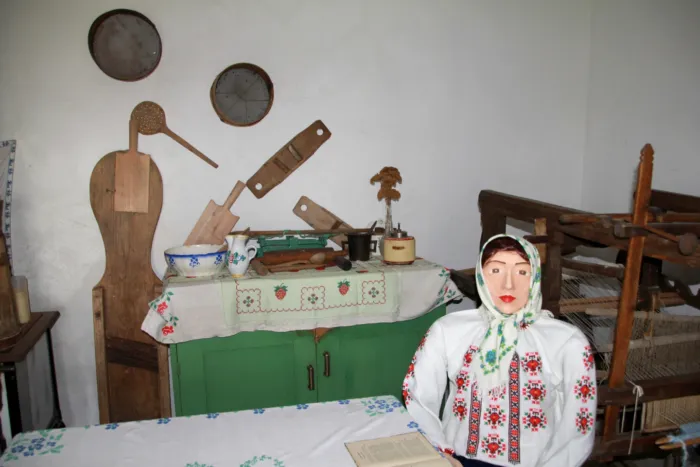
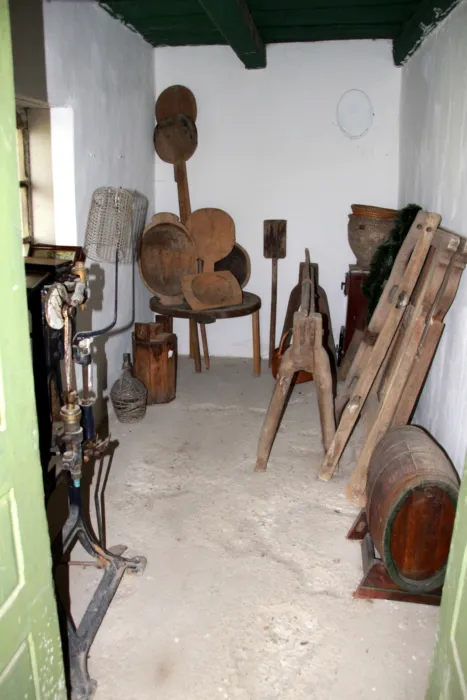
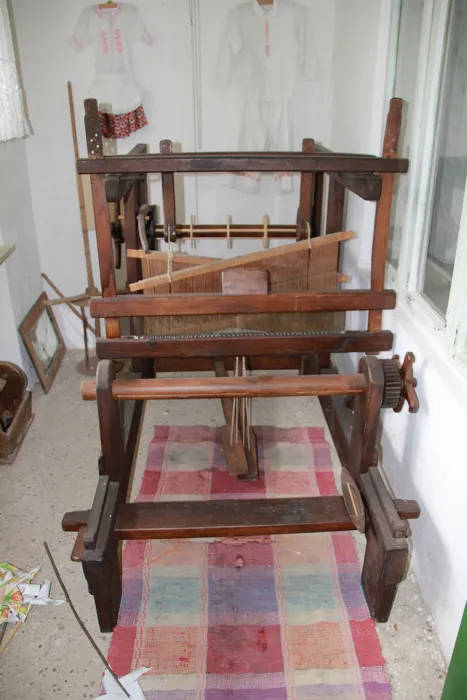
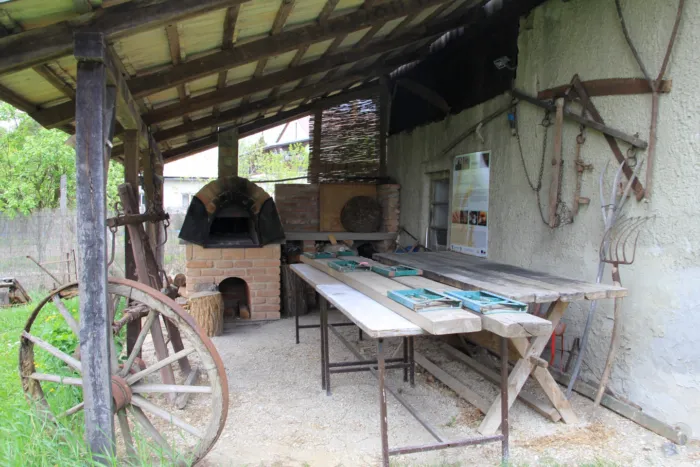
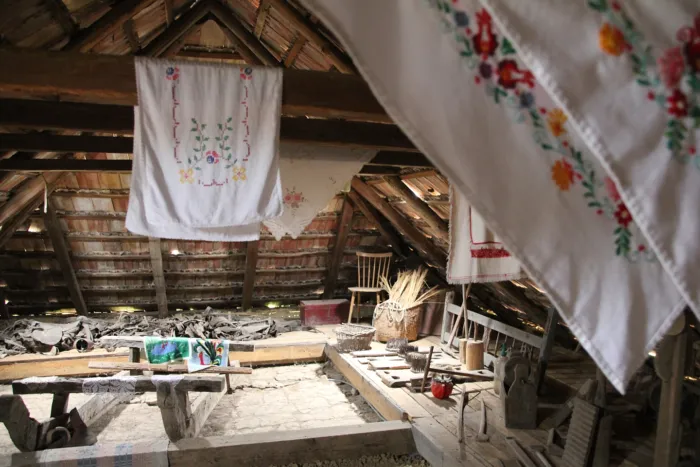
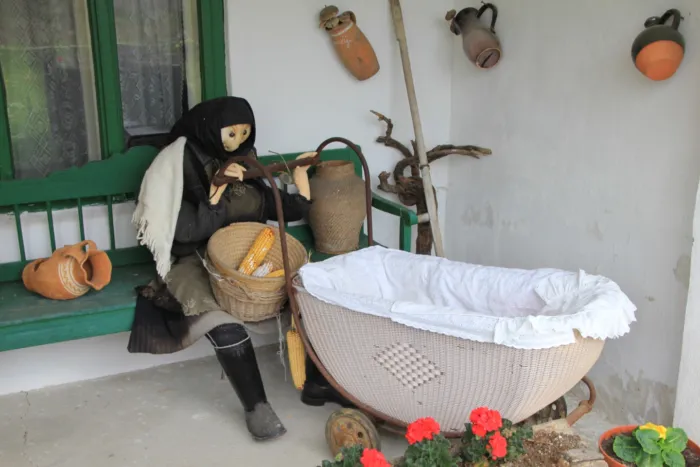
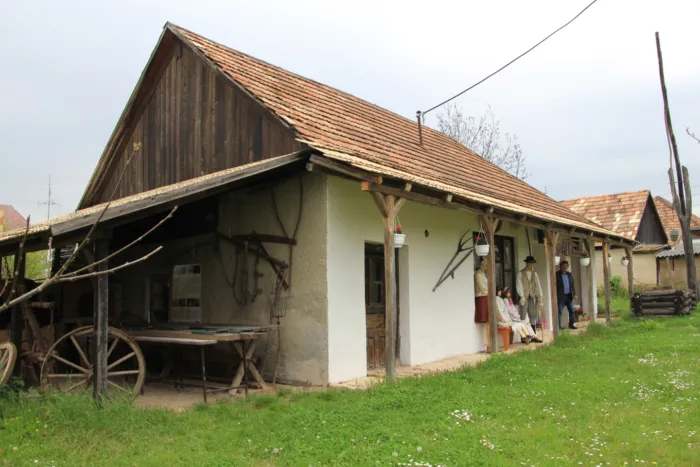
The Apátújfalus local government purchased the former adobe farmstead of the Fizel family a few years ago. The sign on the temporarily renovated building indicates a village museum, but for now, and primarily, the collection of ethnographic material from the village can be viewed. The ground of the two-room building is rammed and the ceiling is beamed. The rooms house a rich collection of weaving and spinning equipment. There is a spinning wheel, a hemp breaker and a hemp comb, a foot and a sole, a spinning wheel and a bobbin, a reel and a loom that is around 150 years old. A rare piece in the collection is the double-armed double tiló. ; ; There are also a good number of kitchen utensils /.../ ; ; The tools of farming and farming were exhibited in a small shed built next to the farmstead. /…/ Some pieces of furniture in the village museum deserve attention, including a peasant bed, a tulip chest and a soldier's chest. There is no shortage of old costumes either /…/ The walls are decorated with holy images, including color prints depicting the Virgin Mary with the Infant Jesus, the Virgin Mary of the Seven Sorrows with the dead Jesus or the Last Supper /…./ ; ; [The village museum] was originally a two-celled scullery, with a rammed floor and beamed ceiling. It is made of adobe, but over time this has also been quite professionally transformed. In its small courtyard you can see a heron well with its frame, well branch and whip. Also here you can see an old two-story wooden dovecote standing on a high mound. Not far from the building, on one of the gates we can find an older, wooden pigsty.