
Abaúj-Torna County Headquarters
Building, structure
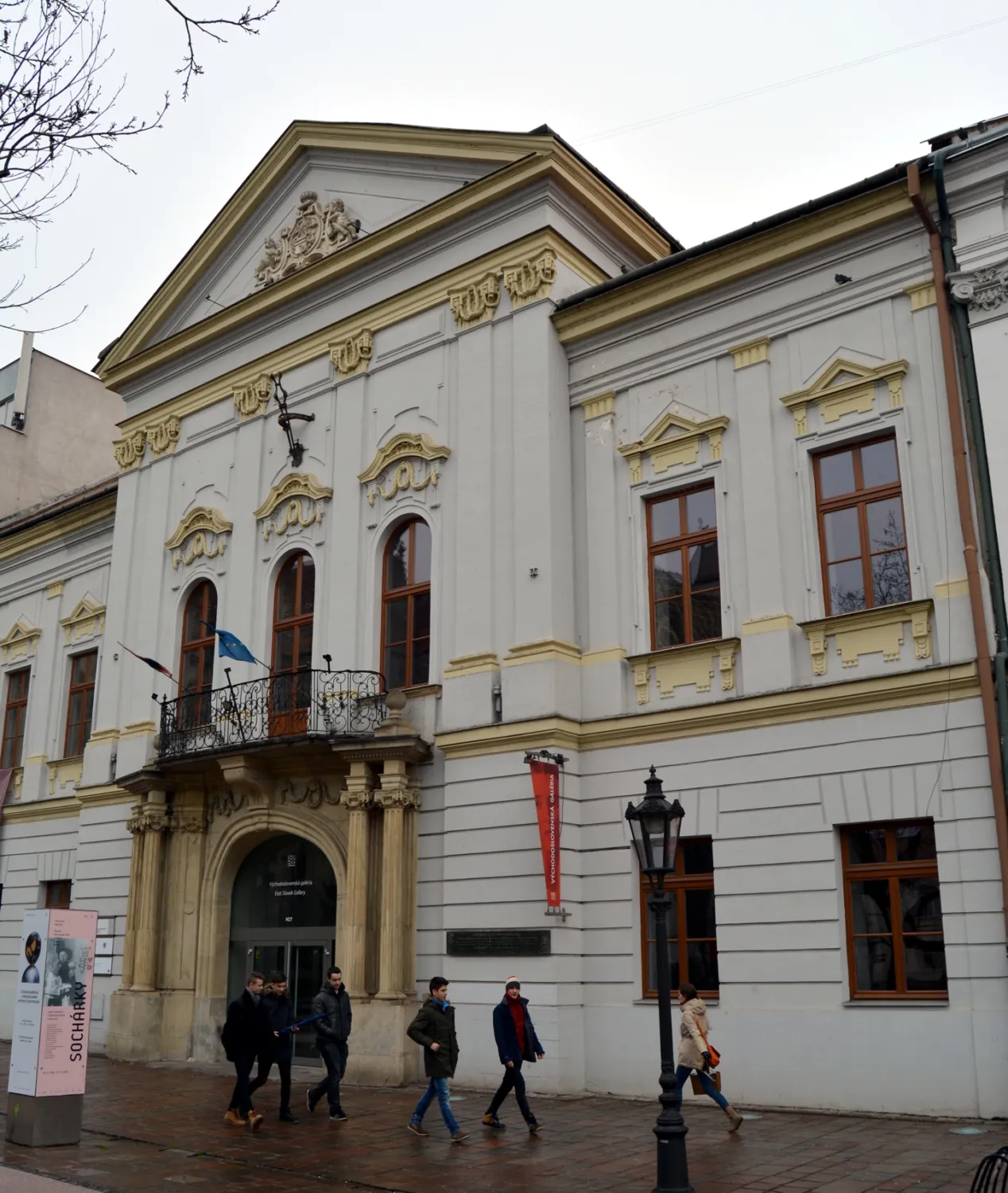
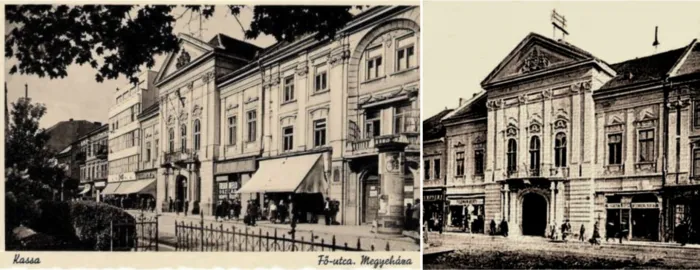
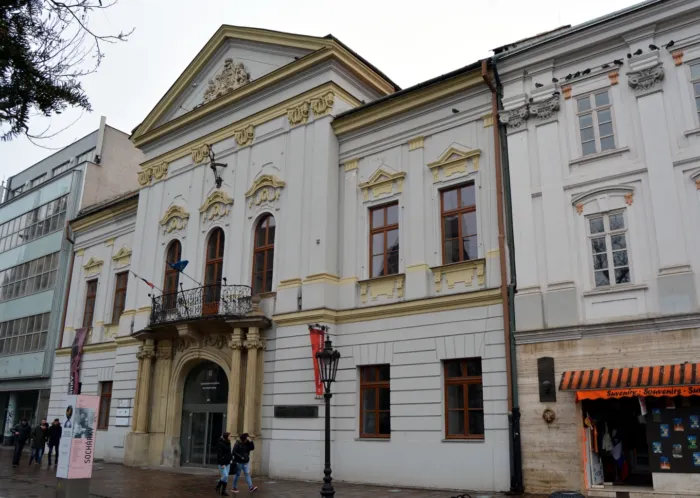
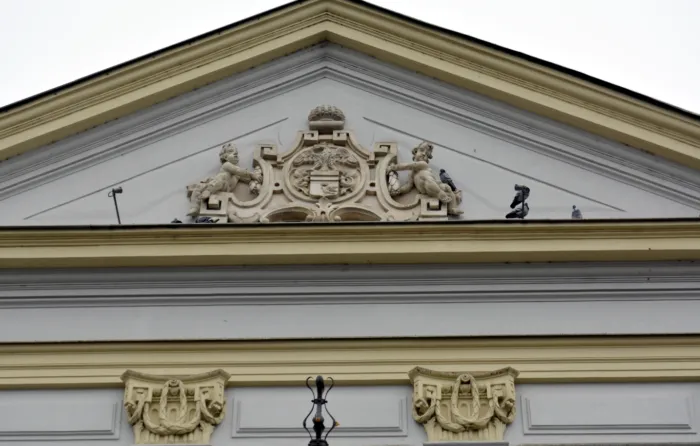
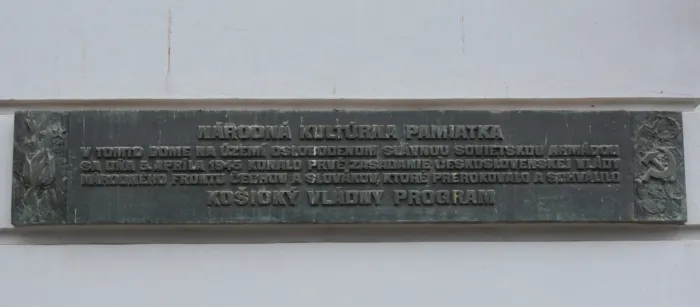
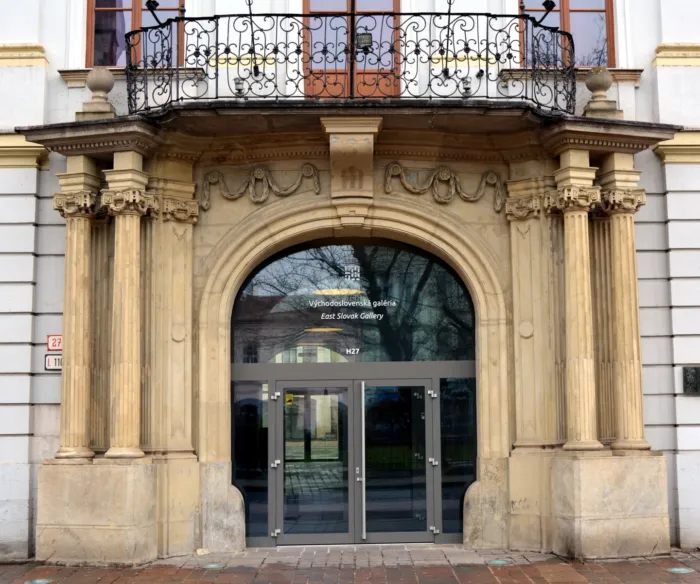
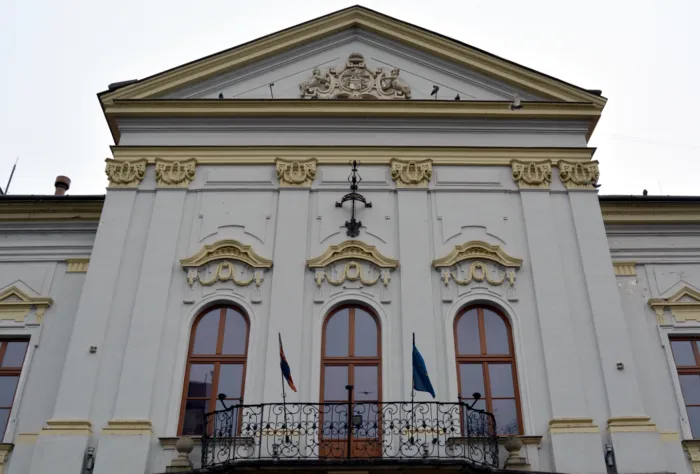
The representative Baroque palace, located in the eastern wall of the main square, in the immediate vicinity of the Cathedral of Saint Elizabeth, was built in an area formed by the unification of several medieval plots by the Abaúj County, or rather, by the Lord Lőrinc Orczy in 1779, according to the plans of the Viennese architect János Langer. It acquired its current form after the 1887-89 reconstruction, designed by the architect Béla Gerster from Košice. ; The main facade of the axially symmetrical house, built in a closed row, has seven axes. The balcony of the 1st floor hall extends above the main gate, which opens in the middle, also emphasized by a slight projection. The tympanum crowning the projection shows the so-called united coat of arms of Abaúj-Torna County, carved from stone. The two neighboring counties had been governed from Košice for a long time, de facto, when in 1881 the smallest county of the kingdom, Torna, was legally annexed to Aba (Újvár) county. The courtyard wings of the building, and the eastern part opening onto Orlia Street, enclose a long, rectangular, typical Košice courtyard, along which a two-story, wrought-iron railinged “circular gangway” runs. ; In the upstairs stateroom, a fresco depicting the coats of arms of the county’s towns can be seen. This room is sadly notable for the fact that during World War II, the self-proclaimed left-wing leaders of Czechoslovakia, which was re-formed in the wake of the advancing Red Army, adopted the so-called Košice Government Program here on April 5, 1945. The essence of this was the re-establishment of the Czechoslovak state that had collapsed in 1938, which they wanted to support by labeling the Hungarian and German population as collectively guilty, stripping them of their citizenship and rights, completely deporting them, and confiscating their property. In memory of this “glorious deed”, the building was also called the House of the Košice Government Program for a while, but a commemorative plaque still announces this day on the facade today. ; The beautifully renovated building has been a museum since the 1970s. Initially, it had a permanent exhibition of the workers' movement. Today, the East Slovakian Art Gallery operates here, and its collection and exhibitions mainly come from this part of the country. For a while, the gallery bore the name of the famous Košice painter, Gyula Jakoby.