
Monument to the Battle of Zsigárd
Statue, monument, memorial plaque
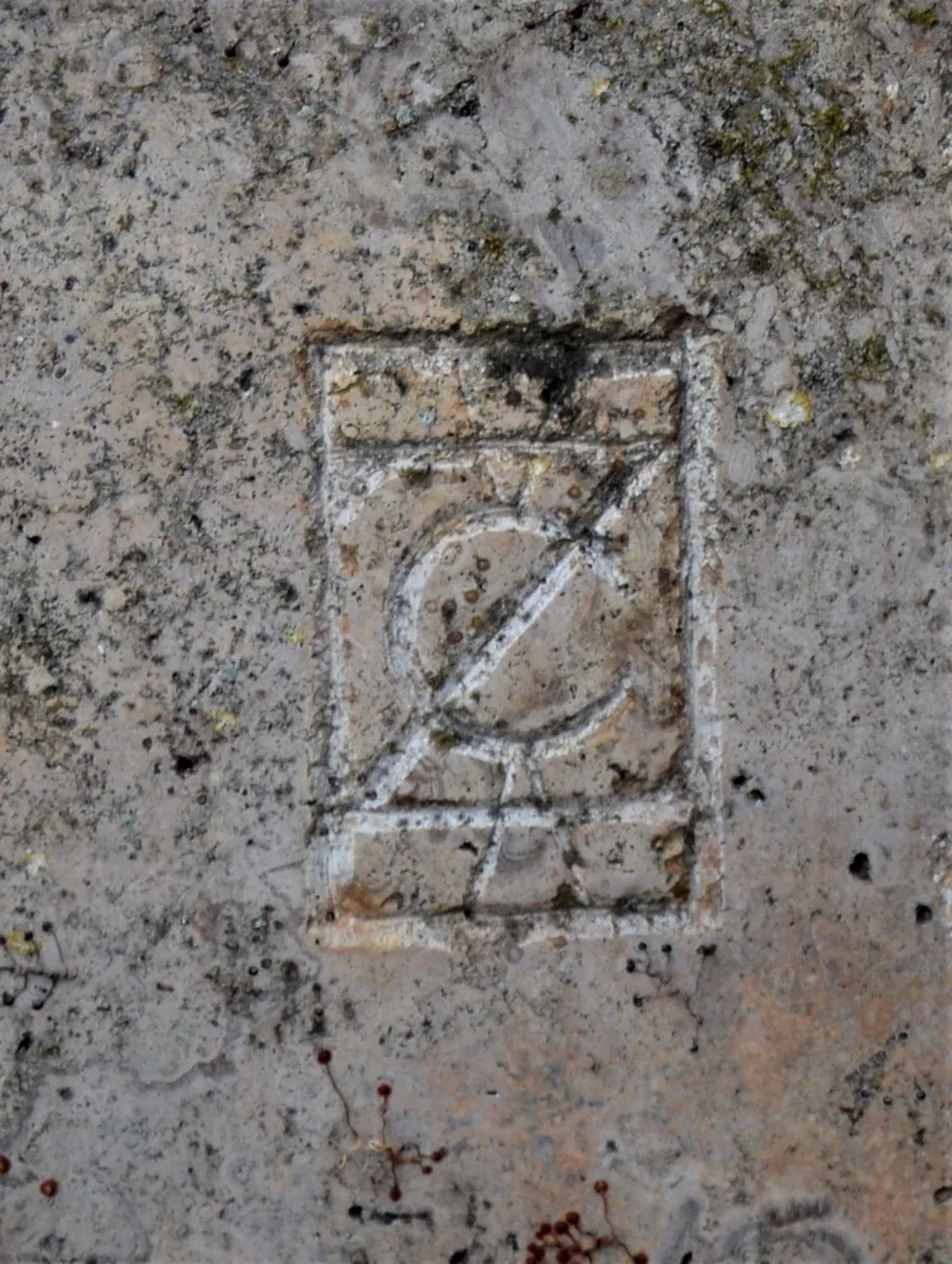
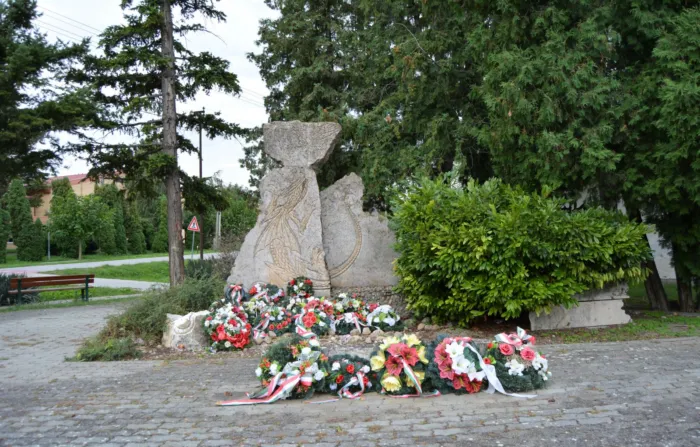
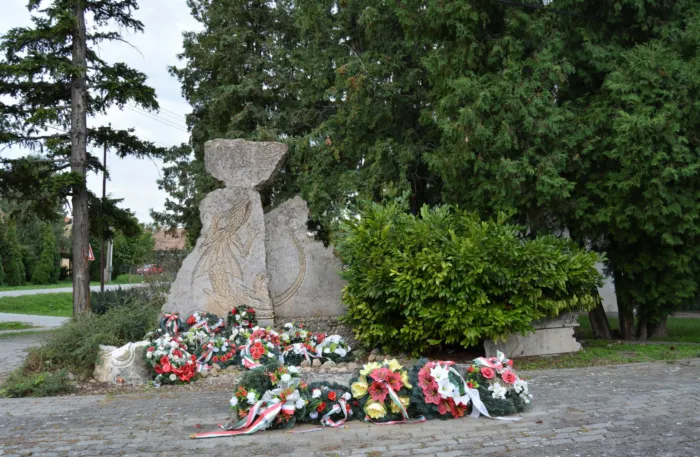
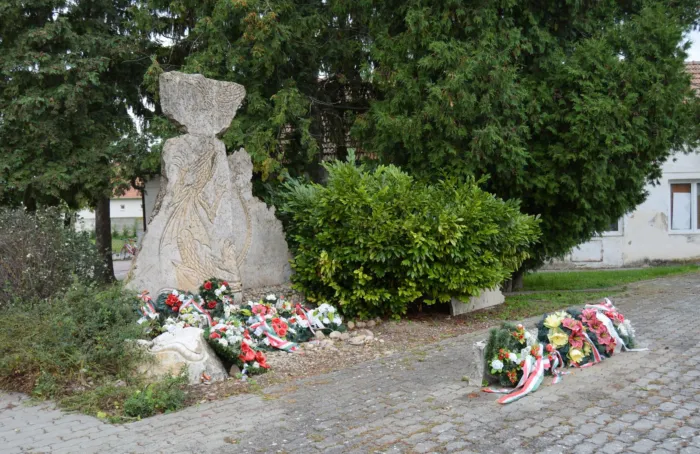
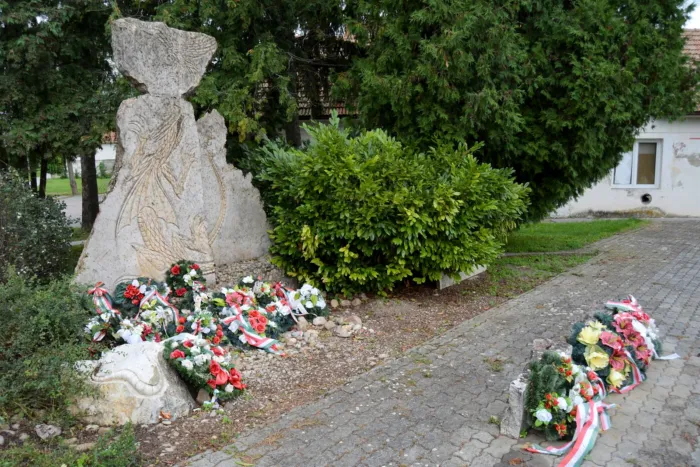
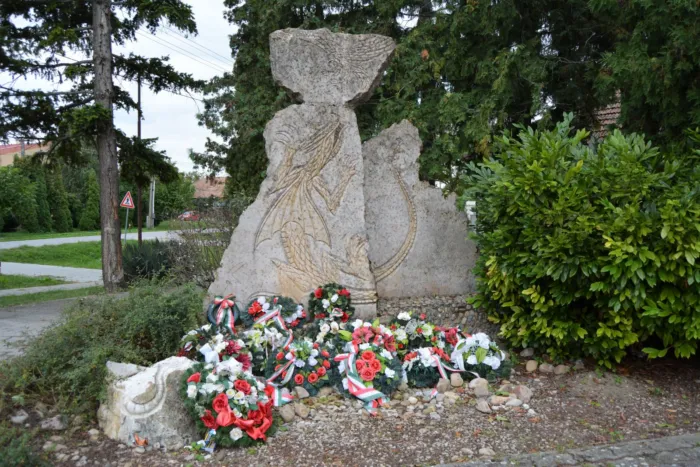
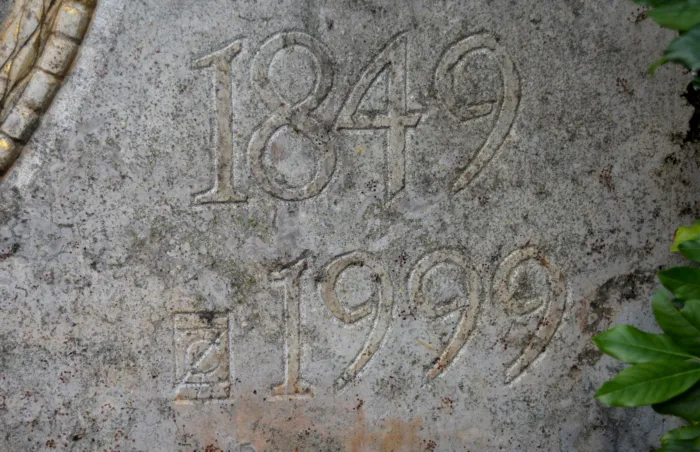
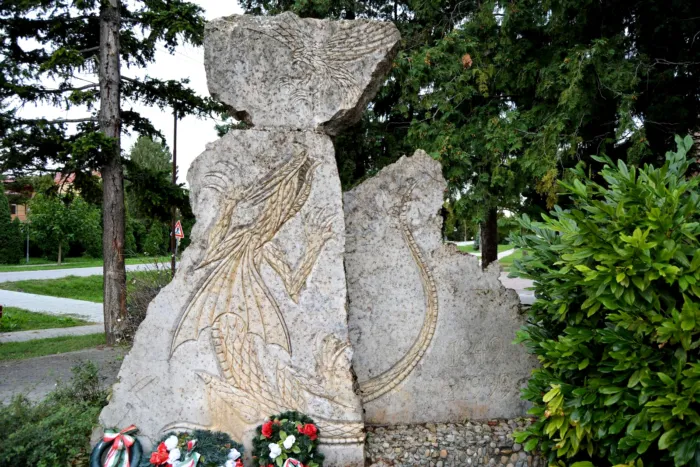
The most significant events in the village's outskirts took place along the Váh River during the 1848–49 War of Independence. General Artúr Görgey commanded the I., II., and III. army corps in the direction of the Váh River in order to break through the defense line of the imperial-royal army before the Russian tsarist intervention. The operation began on June 6, 1849. Along the Váh River, the army was supposed to pursue the enemy all the way to Bratislava. Since the area around the Váh River was very marshy and difficult to cross, the Királyrév – Zsigárd – Farkasd route seemed the most passable for one of the army corps. But Colonel Gustav von Pott's army was camped there. In order to capture Zsigárd as quickly as possible, General Lajos Asbóth, on the night of June 15-16, ordered a special unit led by Samu Rakovszky behind the Kis-Danube to capture Farkasd, secure the bridge construction, and help the army from the flank in the attack. On the morning of June 16, Asbóth reached Zsigárd through Királyrév and drove out Rott's unit. But Wohlgemuth sent another unit to Pott's aid, and the superior force repelled Asbóth's attack. In vain did Asbóth wait for Knézich, who, citing a misleading order, did not even try to cross the Vág. In the afternoon, only Rakovszky's special unit reached Zsigárd, but this was enough to stop the imperial soldiers. Asbóth retreated to Aszódpuszta, and Rakovszky to Negyed. Finally, they only built the bridge across the Váh. The Battle of Zsigárd thus ended unsuccessfully, but the heavy battle awaited the Hungarians even after that. A few days later, on June 20–21, 1849, the Battle of Pered took place, and a smaller battle took place in parallel near Királyrév. These battles ended with the defeat of the Hungarian army: despite the heroic determination, the Hungarians could not withstand the superior strength of the imperial troops reinforced by the Russian army. The retreating imperial army set fire to Zsigárd. ; ; The stone monument to the Battle of Zsigárd on June 16, 1849 stands in the beautiful surroundings of the main square, which was unveiled on June 12, 1999 as part of the V. Zsigárd Days. It was created by a local resident, Čenek Žiaček, of Czech origin. On the monument, the dragon is the symbol of the monarchy, against which the eagle, symbolizing freedom and hope, i.e. the revolution, fights. The revolution was crushed, but the monarchy was tamed: the eagle tamed the dragon. The snake is a warning symbol: freedom is not eternal, it must be fought for constantly. Since then, every year, Zsigárd commemorates the freedom struggle together with the mayors of the area, the leaders of the Hungarian Coalition Party, the delegate of the Bratislava foreign mission, the leaders of local organizations and residents, laying wreaths on the village day held every year in honor of the anniversary. ; The participants of the candlelight procession on October 6 also place their candles here, remembering the Arad Thirteen.