
The Catholic Church of Vága
Building, structure
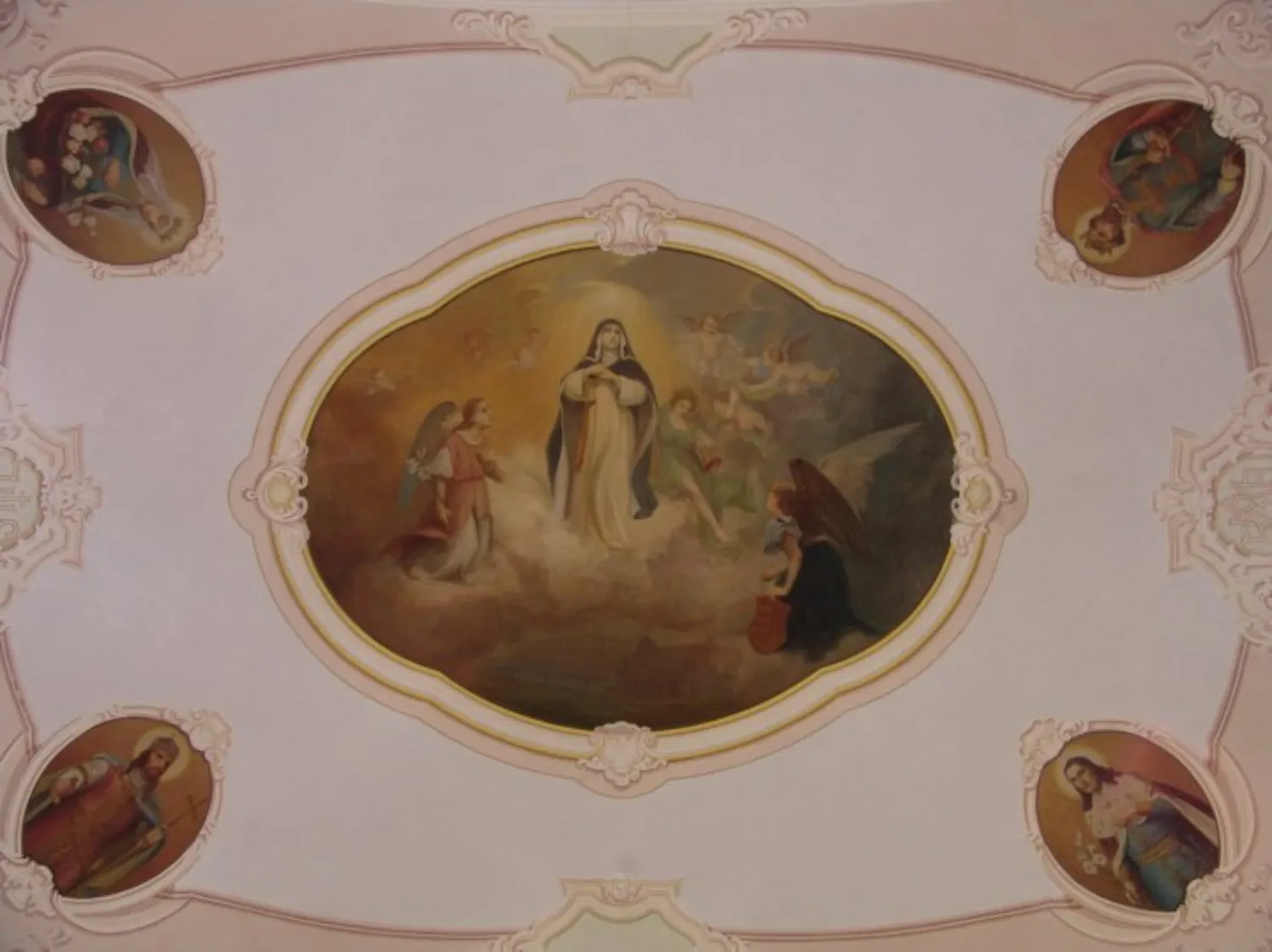
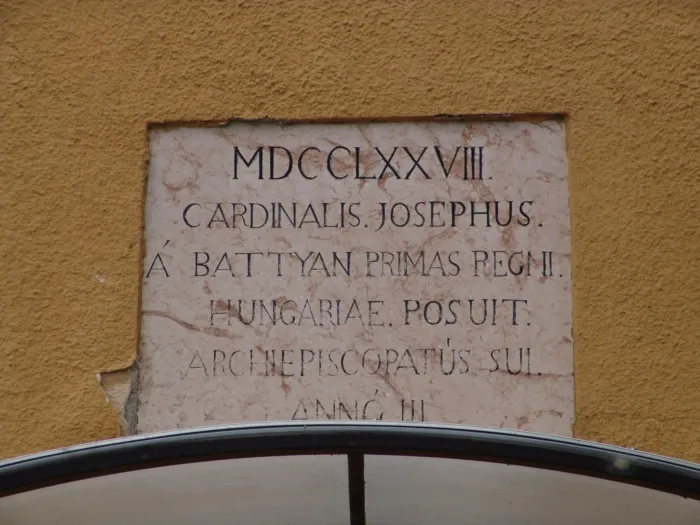
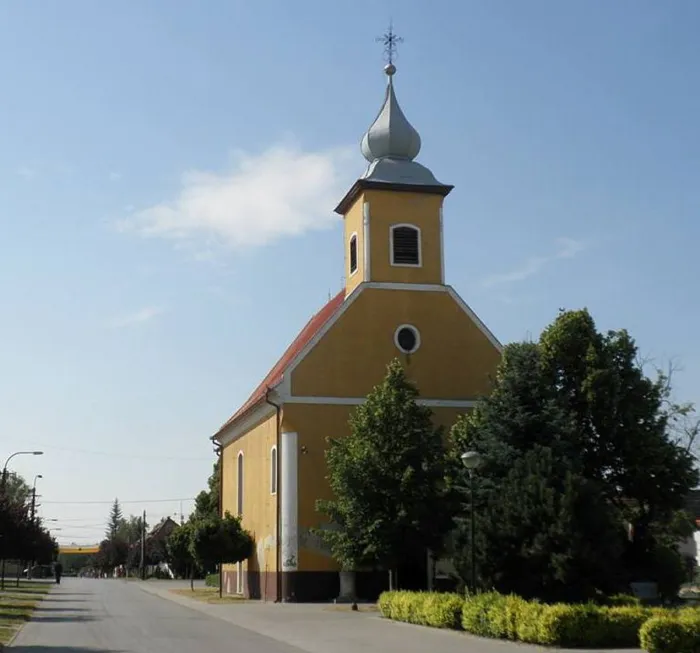
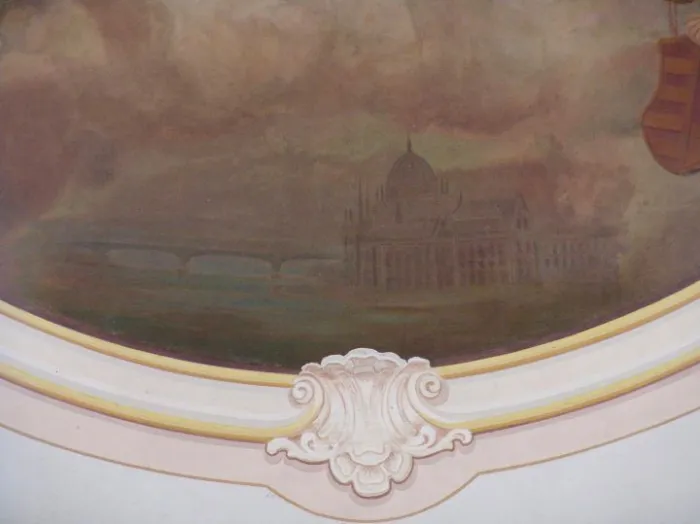
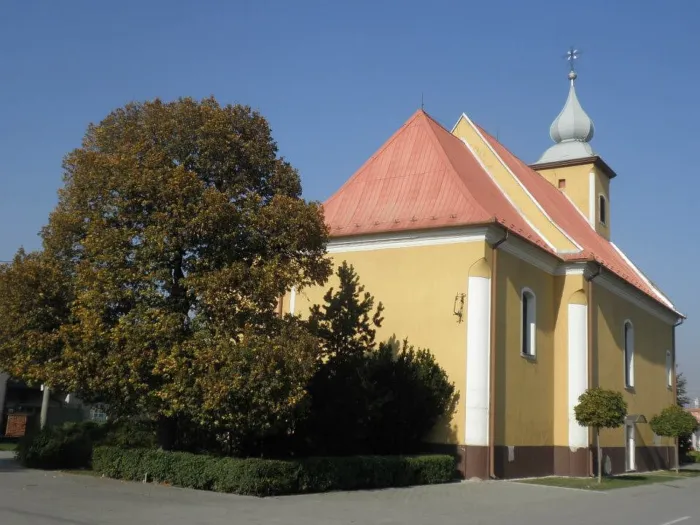
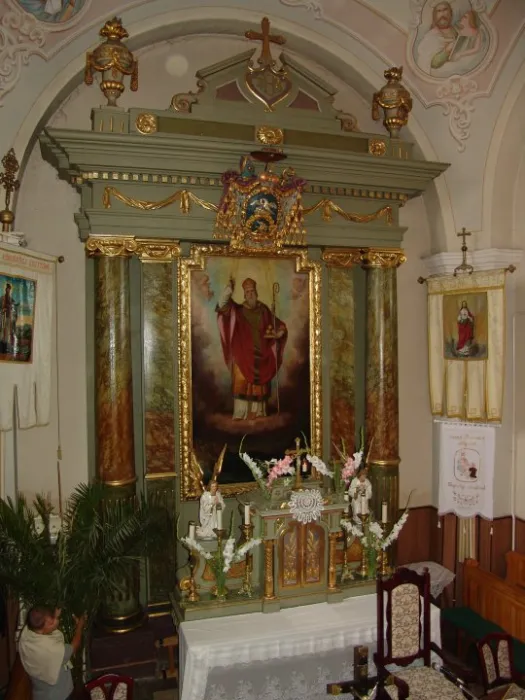
The first church in the village was probably built at the end of the 16th century, the first half of the 17th century. Until then, the people of Vága attended the church in Vágszerdahely. We have no precise information about the construction of the Vága church, so we only know that it did not exist when the church was visited in 1562, but it was probably built before 1642, since one of the bells of a later church, which may have come from the first church, dates from 1642. The church of Vága is first mentioned in the church visitation record in 1694. ; The following was written in the church visitation record from 1756: "We know of the further furnishings of the church that there was an elegant pulpit in the sanctuary and two latticed confessionals in the nave. In the first half of the 19th century, the church received two more altars, with an image of All Saints on the right outside the sanctuary and an image of the Savior on the left. ; According to medieval customs, there was a cemetery around the church, which was surrounded by a wall. In 1714, this was still the only burial place. In 1761, there was already a cemetery outside the village, which was necessary because the burials around the church were constantly damaging the church. Thus, even before the central state measures, the old cemetery in Vága ceased to be used. The church was built in 1778 by József Battyány, Archbishop of Esztergom. At that time, the church was 350 steps away from the upper end of the village. The newly built The sanctuary of the church was vaulted, about 8 meters wide and the same length. The nave of the church was about 18 m long, about 10 m wide and 10 m high. The choir in the nave was made for the cantor and the organ. Its sacristy was 6 m long and 3 m wide. The tower of the church rose from the facade about 30 m high and had 3 bells. The bricks of the ancient cemetery fence were used in the construction of the church's foundation. The church was built in the Baroque style, and in 1779 it was mentioned as a modern building. At that time, there was only one altar in the church. This probably came from the old church. Its description in the church visitation record of 1756 is as follows: "there is an altar built in honor of Bishop St. Nicholas, whose image is seen on it with the statue of John the Baptist and the evangelist, and then those of Kings St. Stephen and Ladislaus. The top of the altar is decorated with a picture of the Archangel Saint Michael, which is placed between the statues of the apostles Peter and Paul." ; On the main altar of the church is a picture of the Bishop of Myra Saint Nicholas, he is the patron saint of the church, therefore this day (December 6) is a feast day, and is recognized by the church. ; The title of the church: Saint Nicholas in 1694, dedicated to Saint Nicholas in 1714 on the feast of the Holy Trinity, Saint Nicholas in 1756, Saint Michael in 1761, Saint Nicholas in 1779, Saint Nicholas in 1847. ; The fresco on the ceiling of the church shows our saints of the Árpád dynasty: King Saint Stephen, Prince Saint Imre, King Saint Ladislaus, Saint Elizabeth of the Árpád dynasty, and in the middle Saint Margaret among the angels. The Hungarian parliament can be seen on the ceiling fresco.