
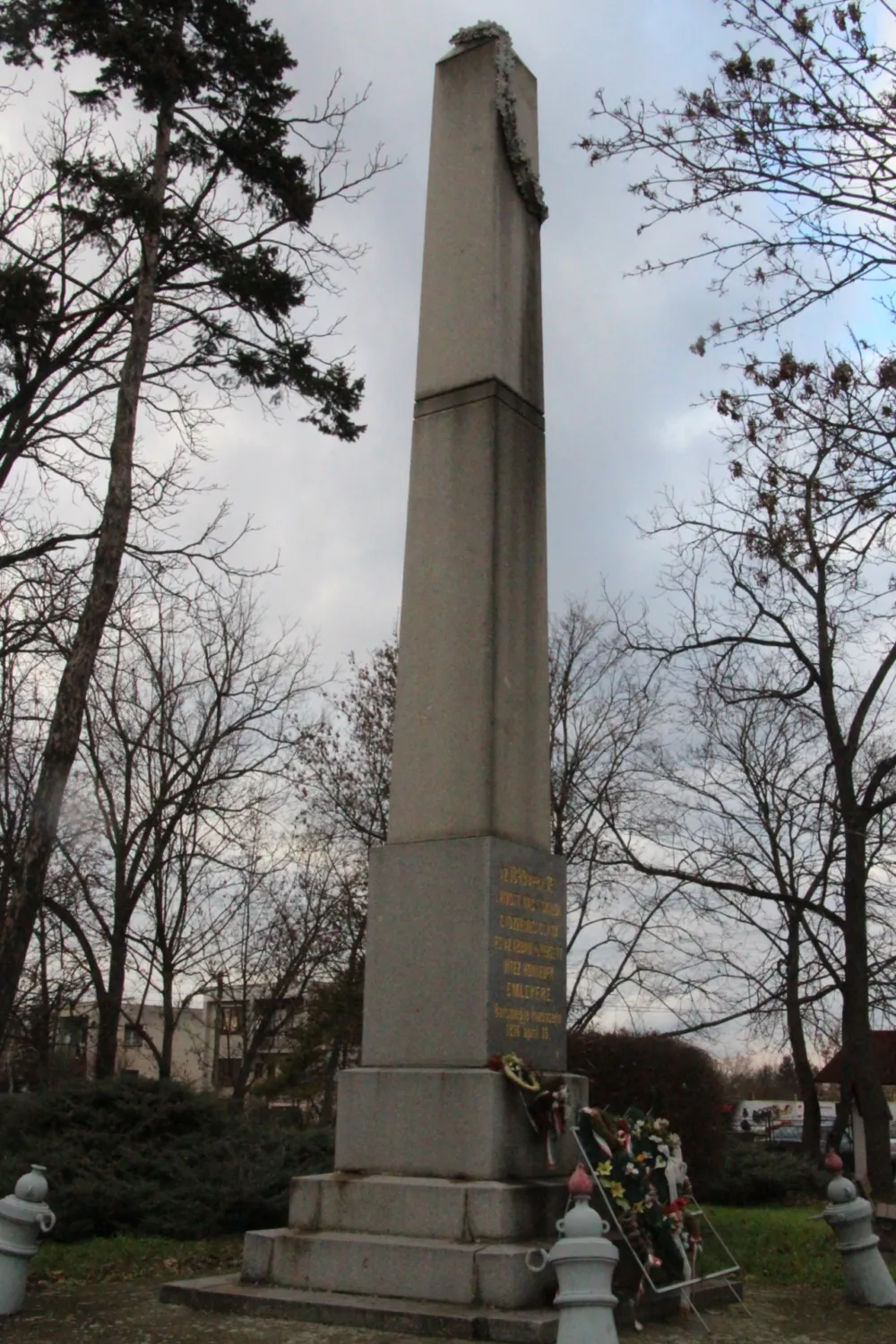
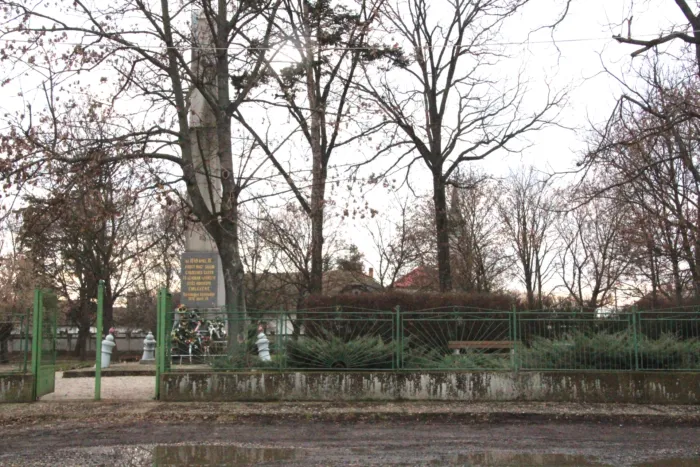
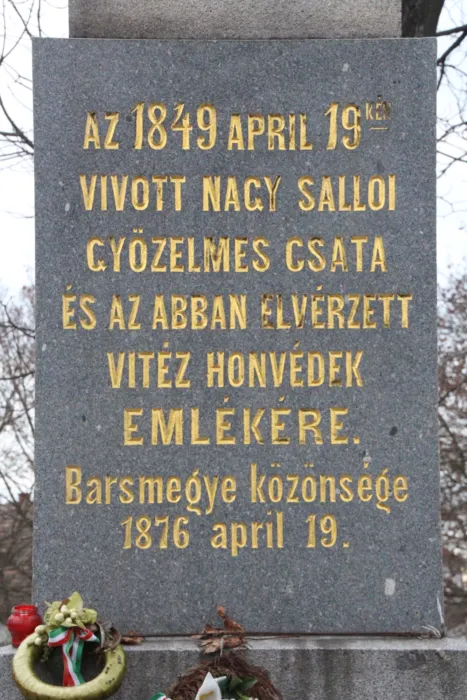
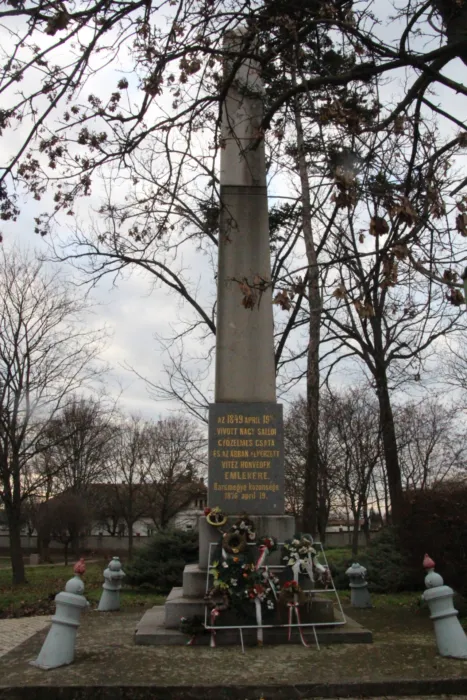
Nagysalló Memorial of the War of Independence
Statue, monument, memorial plaque
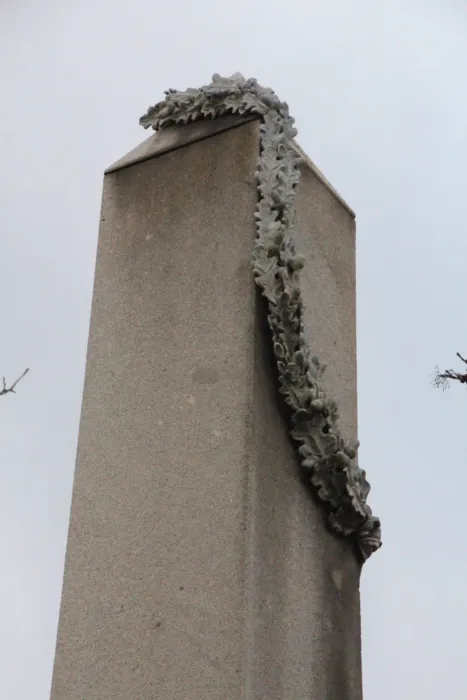
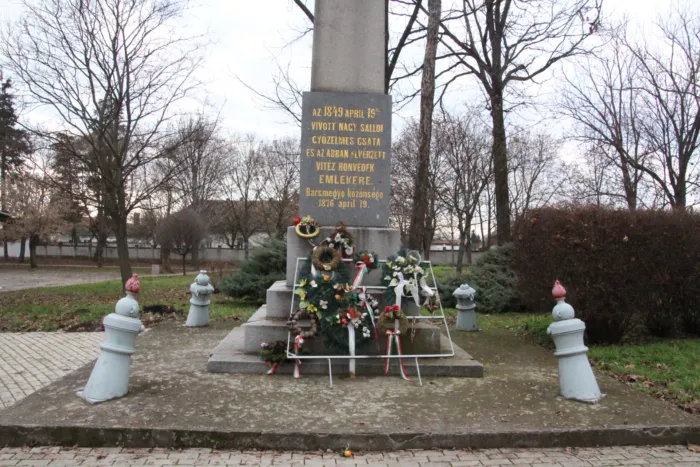
On April 19, 1849, Damjanich defeated the troops of Lieutenant General Ludwig von Wohlgemuth defending the Nitra line here. ; One of the most significant battles of the Hungarian War of Independence of 1848-49 took place between the Hungarian national guards and the imperial troops near Nagysalló, in the Hölvény forest. The Hungarian national guards, led by General György Klapka, heroically stood their ground and won a victory over the superior imperial troops in street battles. In 1876, a monument was erected in the center of the village in memory of the approximately 1,400 fallen national guards and as a symbol of respect for the victory achieved. ; In 1861, a movement was started in the county to erect a column in memory of that glorious day, on which the day of the 1848/49 freedom struggle shone most gloriously, because on the day of the victory fought on April 19, 1849, the cause of Hungarian freedom was at its peak. ; Regular collection was started during the time of gr. Vilmos Migazzi, the chief magistrate, who was the chairman of the statue committee and remained its chairman even when he ceased to be a chief magistrate. His tenacious perseverance, his enthusiasm worthy of the patriotic cause, but also his own willingness to sacrifice, achieved success. The monument was handed over to the patriotic community during a bright ceremony on June 5, 1876. This outstanding feat of the War of Independence, in which the most beautiful branch of the laurel of victory went to the Bars battalion, is announced at the highest point of the city by a 9 1/2 meter high obelisk made of Mauthausen granite, the top of which is surrounded by a bronze wreath. ; A pleasant episode is connected with the celebration of the unveiling of the statue. Count Vilmos Migazzi, as the chairman of the statue committee, personally invited the country's notables to the unveiling ceremony. He also personally visited Béla Szende, who was the country's Minister of National Defense at the time. A lively conversation developed between them and Szende enthusiastically renewed his memories of the victory in Saló. "It was a beautiful day," says the minister, "I was there, I took part in the attack we made against the forest, which the Austrians also stubbornly defended. "That is the Hölvény forest," interrupts Migazzi, "which the hunting battalion was occupying." "How so," asks the minister, "so you were there too?" "Yes," replies Migazzi, "I was there, in the - forest." Szende hugged his guest.