
The Rodostoi House
Building, structure
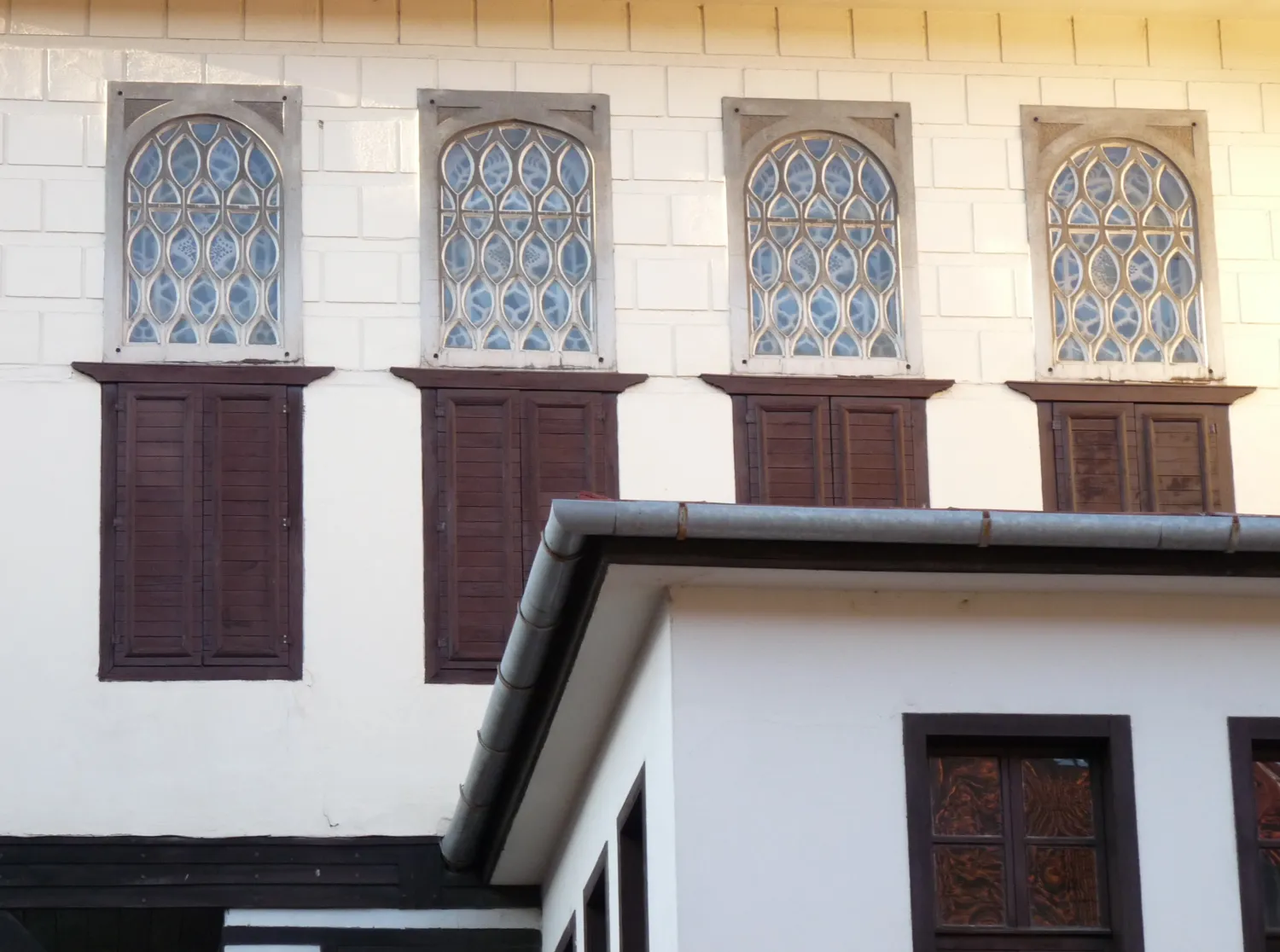
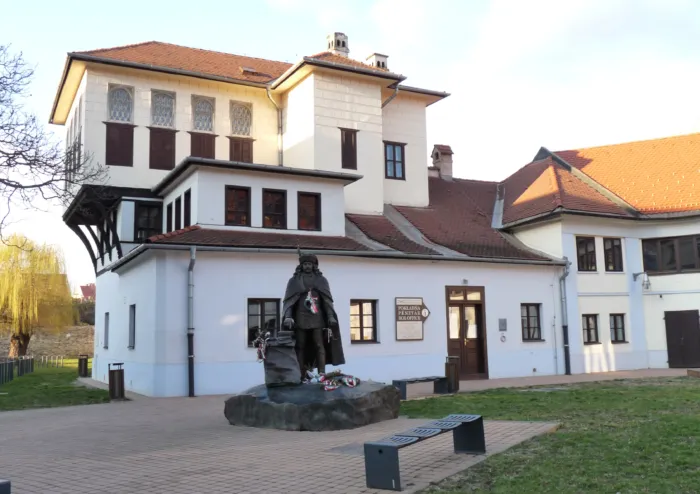
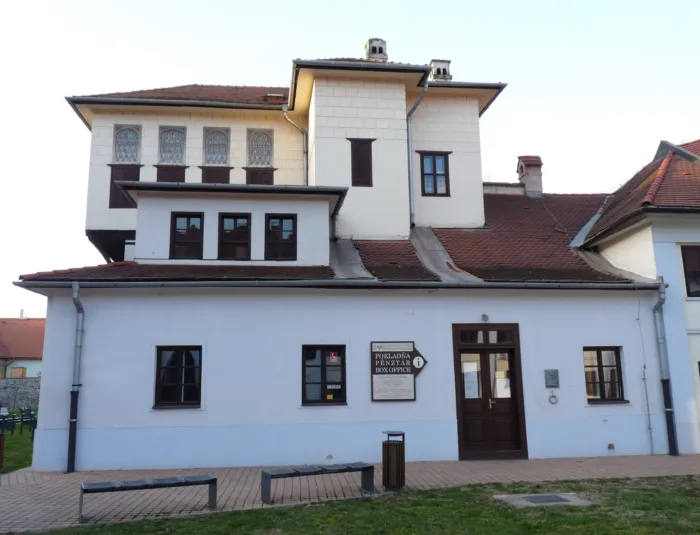
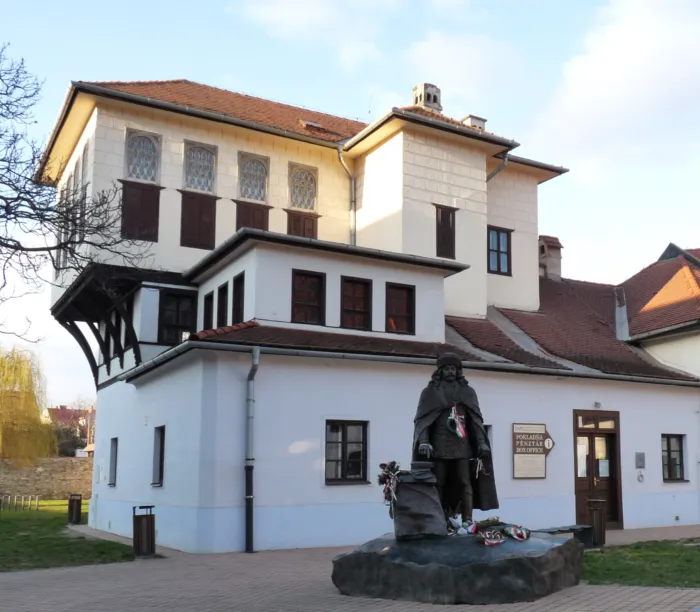
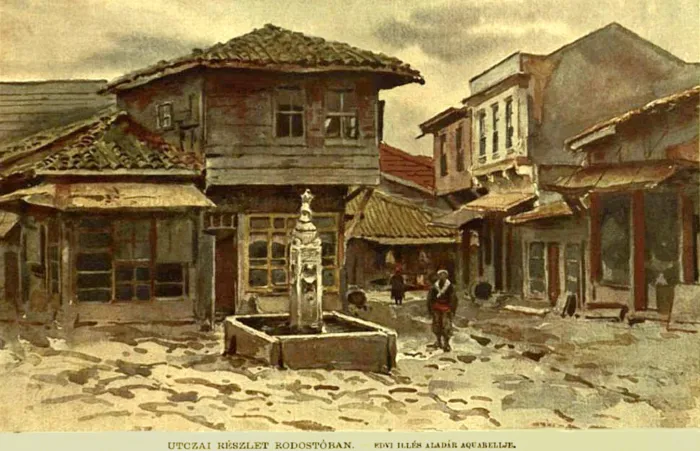
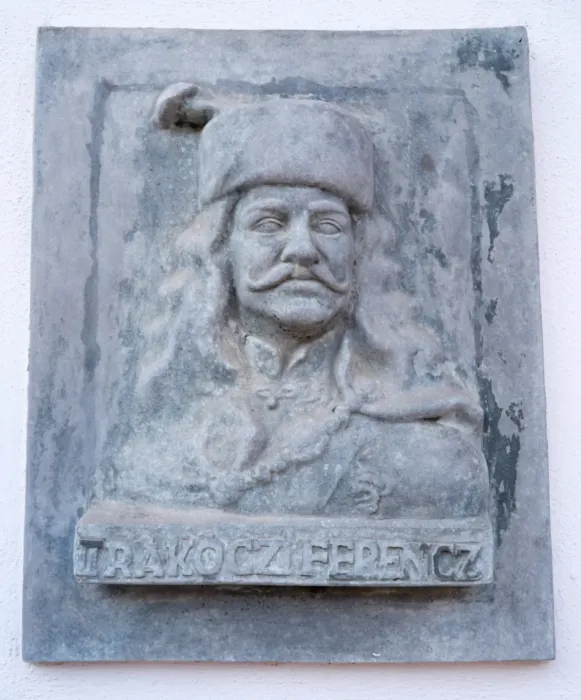
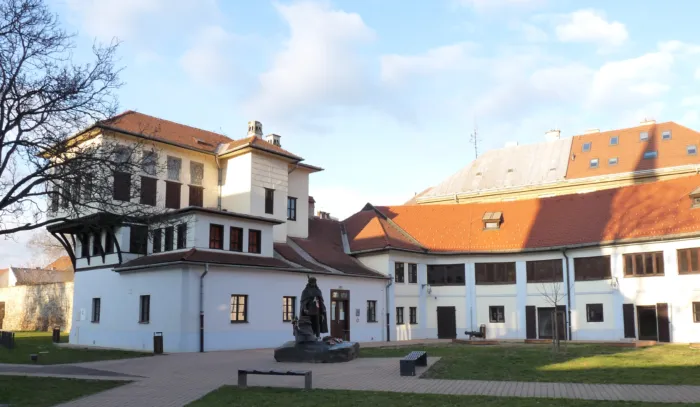
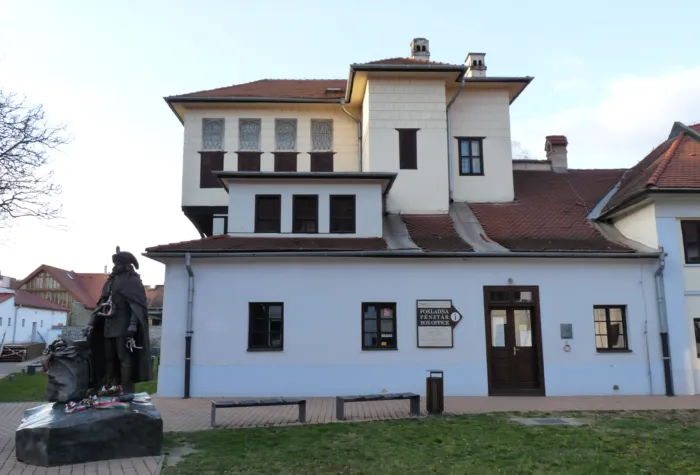
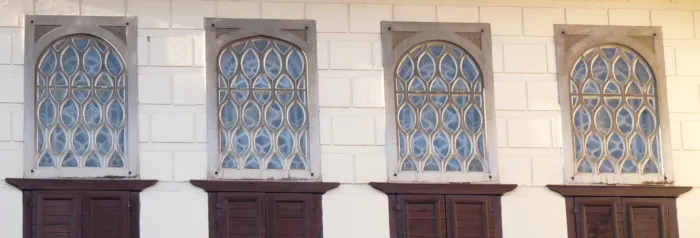
The Rodostó House forms an organic whole with the Executioner's Bastion. The latter is one of the few points where the former medieval city wall of Košice can still be seen. In the courtyard of the bastion stands one half of the Rodostó House, in the original of which Ferenc Rákóczi II spent his years of exile in Turkey between 1720 and 1735. ; In 1905, at the initiative of Lajos Thallóczy, the Hungarian state had the artistic details of Prince Rákóczi's Rodostó dining house dismantled and packed in 29 crates transported to Košice, so that a replica of the dining house could be rebuilt there. The design work of the house was left unfinished after the Treaty of Trianon. (At the same time, in 1926, the then Hungarian ambassador to Istanbul, László Tahy, on behalf of the Ministry of Foreign Affairs, began to search for the houses in Rodostó that were already in very poor condition and that could be linked to Hungarians. The Hungarian ambassador – on the instructions of the Ministry of Foreign Affairs and with the permission of the Turkish government – purchased the 17th-century building, which was thought to be Rákóczi's dining house, for 500 Turkish pounds (1,500 pengő) in 1927.) The reconstruction was finally carried out in 1941-43 by the Kládek and Brothers company, based on the plans prepared by Kálmán Lux in 1908, with the conversion of the annex building of the Hóhérbástya. The dining house cannot therefore be considered an exact replica of the original building. ; The complete completion of the dining house's furnishings could not take place due to the events of the war. The building served as a museum warehouse until 1990. It is interesting that the 29 boxes containing the equipment were buried in the basement of a house after World War I until 1936, completely forgotten. The original idea - to furnish the memorial house of Ferenc Rákóczi II - was realized in 1990-1991, when these rooms were emptied and certain elements of the dining house (painted wood paneling, stucco decoration, lattice windows) were restored. ; ; Rooms: ; ; The first six rooms are on the ground floor, the rest are on the first floor. ; ; Room I ; Briefly describes the life of Ferenc Rákóczi II and the anti-Habsburg uprising. The room contains, among other things, pictures of the prince, the Bors Castle, his mother, Ilona Zrínyi, and his father, Ferenc Rákóczi I. Here you can find a copy of the article of the Szécsény parliament, as well as a painting by Gyula Éder in 1909 (the arrival of Ferenc Rákóczi II to Košice) ; The room also presents Košice during the War of Independence. Photocopies of photographs of Sándor Károlyi and Miklós Bercsényi. Weapons and a copy of the Kuruc flag. ; ; Room II ; This room presents the repatriation of the prince and his companions and the related memorabilia, commemorative medals, postcards, metal wreaths made for the Košice funeral, and a portrait of the prince, after Ádám Mányoki (K. Keisz). ; ; Room III ; Here you can find watercolors by Illés Edvi (1904), details of Miklós Bercsényi's house, and the ceiling of Kelemen Mikes' room. ; ; Room IV. room ; Pictures of the construction of the Rodostói House in Košice (1940-43), as well as a model based on the plans of Kálmán Lux. ; ; Room V ; This room contains the gallery of the Rákóczi family (Ferenc Rákóczi, György Rákóczi, Amália Sarolta), as well as the prince's personal belongings. Several coins and the first edition of Mikes' Letters to Turkey from 1794. ; ; Room VI ; The room exhibits contemporary Turkish furniture. Here you can watch the video recording of the reburial made in 1906. ; ; Room VII ; Souvenirs from the Rodostói Chapel, including vestments, can be found in the room, next to the watercolors of Edvi Illés. ; ; Room VIII ; The last room is the original dining room, in the construction of which the prince himself actively participated, in his last years he was engaged in crafts (carving and painting). It is not possible to enter the room, as its floor is also original. Here you can also find the lace of the prince's funeral dress and his shroud.