
The Holy Well of Pozba
Building, structure
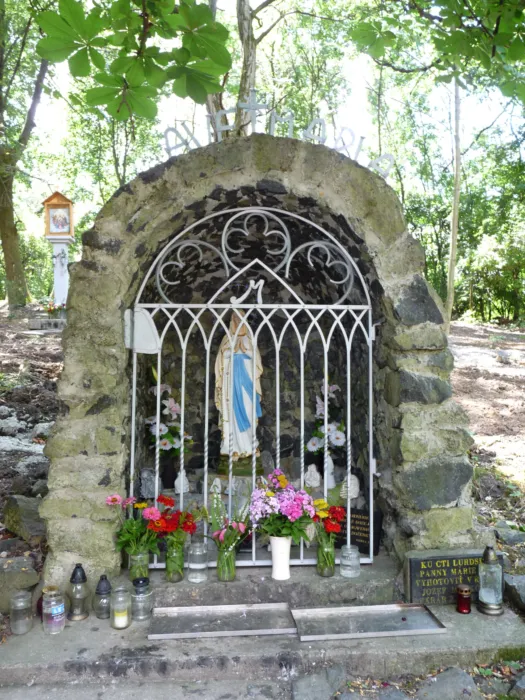
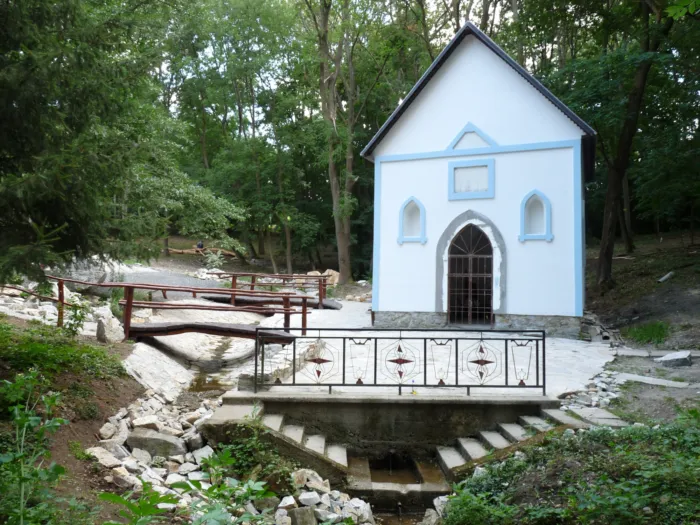
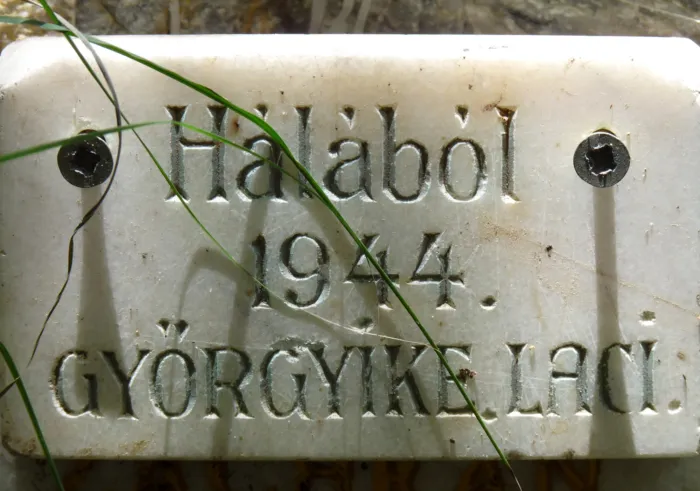
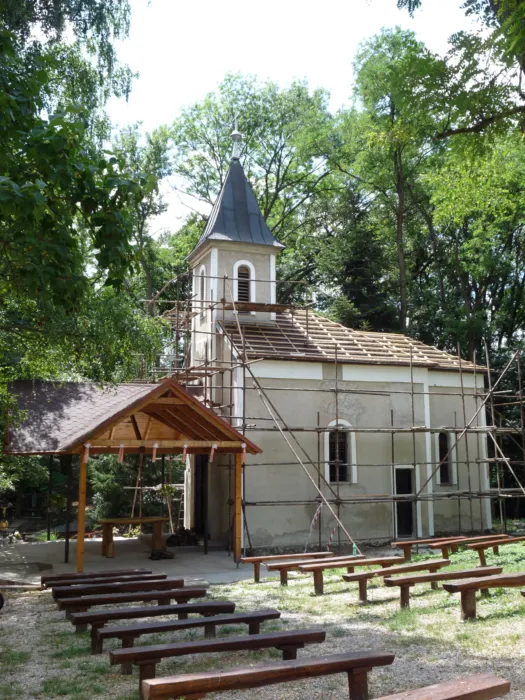
Pozba settlement once belonged to the Verebély district, its inhabitants declared themselves members of the Hungarian nation and were mostly of the Reformed religion. It currently falls under the jurisdiction of the parish of Fajkürt. ; Borovszky Samu writes in his description of Bars county that it was an ancient family nest of the Balogh clan, which was mentioned in the documents of King Charles Robert as early as 1339. Later, the Bencsík and Barlaghy families also owned it. In 1866, the entire village burned down. Its Reformed church was built in 1790. The Újmajor, Nagyberek, Kispozba and Szentkút pusztas also belonged to the village. Borovszky mentions Szentkút pusztas as a place of pilgrimage. ; The history of Szentkút in Pozba dates back to the 18th century. At that time, on the occasion of summer church holidays - at the initiative of priests or village teachers - pilgrimages were organized for Roman Catholic believers. Sasvár was a famous pilgrimage site, but the Marian Family Shrine was also quite well known, where the monks (Paulines) had a huge monastery. The Marian Family pilgrimages were made by pilgrims on the road through the Pozba forest. On one such occasion, they rested by the spring that gushed up here and quenched their thirst with the spring water. Some believers believed that the spring water had a healing effect on their existing physical ailments. These miraculous experiences were passed on from mouth to mouth, and thus this became the basis for the miraculous power of the Pozba Holy Well. ; According to the surviving legend, the Virgin Mary appeared at this place, between the branches of a pear tree, in a white dress, girded with a blue belt. And whoever noticed this, reported it with great zeal, because he was sincerely convinced that he had seen a miraculous vision. ; The news of the Holy Well in Pozba was well-known among the inhabitants of the villages of Nitra County, and every year on the Pozba feast day, Pentecost Sunday, a pilgrimage was organized to Pozba. ; According to the records, the mother of the parish priest of Újbars, János Zlatnyanszky, was also healed here. In 1841, a very small chapel was built near the spring, where the first mass was held in 1869 at the request of Mrs. János Répás from Nagysalló, who was also miraculously healed here from her serious eye disease with the help of the miraculous spring. In 1885, this now forty-four-year-old chapel collapsed, but thanks to the zeal of the parish priest József Harris, a new chapel was built in 1914 in honor of the Virgin of the Seven Sorrows. The same parish priest also built another chapel in honor of the Holy Name of the Virgin Mary in 1926. ; On Pentecost and on September 15, on the feast of Our Lady of Sorrows, there are main mass at the shrine, but the Virgin Mary and the blessed holy spring of Pozba await the faithful who make amends and go on pilgrimage at all times. The shrine can be reached by road from Barsbese and Barsfűss. ; ; What can a visitor who takes the trouble to visit this pilgrimage site see? ; Currently, the spring is covered, and its water can only be drawn with a pump to sip. Next to the spring, in 1925, at the initiative of the parish priest of Bes, a chapel was built in honor of Our Lady of Sorrows. A mass altar was also built in the chapel, and pictures of saints were placed on the walls. The small marble tablets shown here express the gratitude of the healed believers. The parish priest from Bes celebrates the Holy Mass in Slovak. Twice a year, Holy Mass is also celebrated in Hungarian, on Pentecost Sunday and on September 15, ; when the Church celebrates the feast of Our Lady of Sorrows. ; Just a few meters from this chapel, on the side, another chapel with a smaller tower can be seen. On the rise, one meter from each of the two chapels, a small, cave-like recess was built, in which a statue depicting Our Lady of Sorrows is placed. The cave was built of natural stone, and thus tries to evoke the atmosphere of the cave of the Virgin Mary in Lourdes for the believers. This small cave is a modern facility. ; Above the cave chapel, a larger stone cross and a niche image holder mounted on a column can be seen. In the image placed inside, the divine Trinity crowns the kneeling Virgin Mary. ; The Stations of the Cross were placed on one side of the beautiful little valley, depicting the sufferings of Jesus Christ with small-sized images. The individual stations were placed on wooden poles, which ended with eaves, thus protecting the images from the weather. For the pilgrims, so that they could rest from their fatigue on the journey, benches were made.