
The Great Church (synagogue)
Building, structure
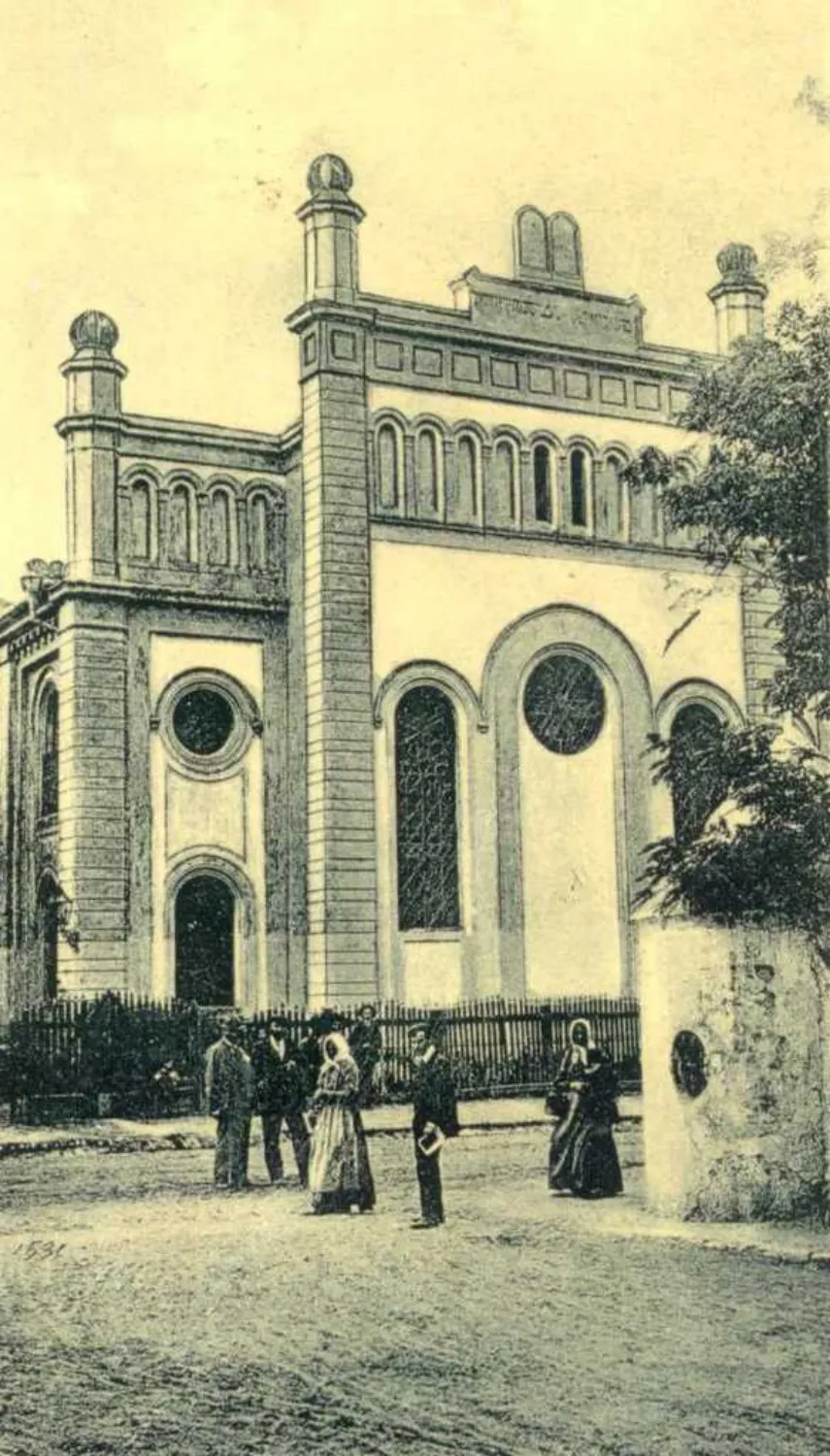
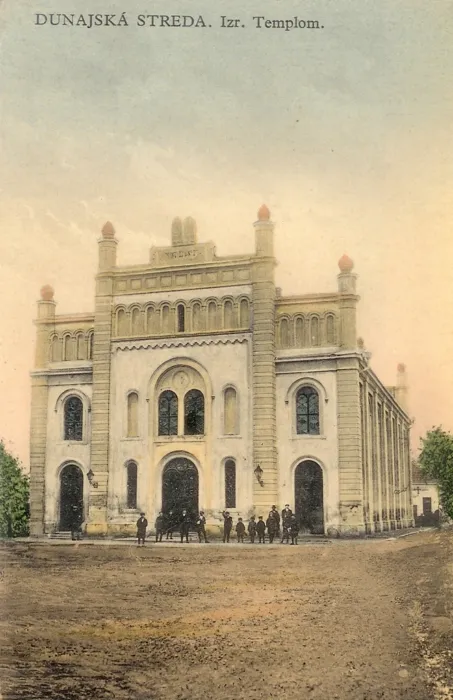
By the end of the 1860s, the community's prayer house had become too small (the first one had since been demolished), so next to the great synagogue (across the street from it) one of the largest Orthodox synagogues in Hungary, the Great Church, was built. The monumental building in oriental style was completed during the rabbiship of the great rabbi, Yehuda Aszád's son and successor, Áron Shmuél Aszád – it was "one of the most beautiful and splendid churches in all of Greater Hungary," they write. “The building, about 45 m long, 20 m wide and approx. 15 m high, with the eight ‘kipás’ on top, was impressively and touchingly beautiful. The two stone tablets rose up between the two central reliefs. Three large, heavy gates opened on the western side of the church. The central one was the men’s great temple, the two outer ones led to the women’s gallery, which was on the first floor. In the men’s section, the large door opened onto a small hall, which in turn opened onto a larger one. On both sides of the central hall were smaller prayer and classroom rooms, and from this hall the large winged doors opened into the sanctuary of the church,” writes Alfred Engel about the eye-catching synagogue. He continues: “Its vault was a work of art, its windows shone in the colors of the rainbow, its walls were paneled with wood, and its floor was like marble. The Torah Ark was decorated with gilded wood carvings, with a golden wreath all around. There were two rows of seats opposite the holy Ark, with the Torah reading table in the center and two rows of seats each along the southern and northern walls. Above these and above the back of the temple was the women’s temple. Several dozen chandeliers with hundreds of lamps bathed the holy sanctuary in light on Sabbaths and holidays. This beautiful Great Temple was furnished with eight hundred seats for men and women.” ; In June 1944, the Jewish population of the surrounding settlements was crowded into the synagogue, and from there they were deported to the death camps in Poland. A few months later (from November) the Germans used the building as a car repair shop, and on Easter 1945 it was hit by a Russian bomb, and part of the building collapsed. In 1951 it was demolished due to lack of interest and communist anti-religion. The Memento monument stands on Yehuda Asad Square on the site of the former great synagogue. ; ;