
The Nagyszombat Theater
Building, structure
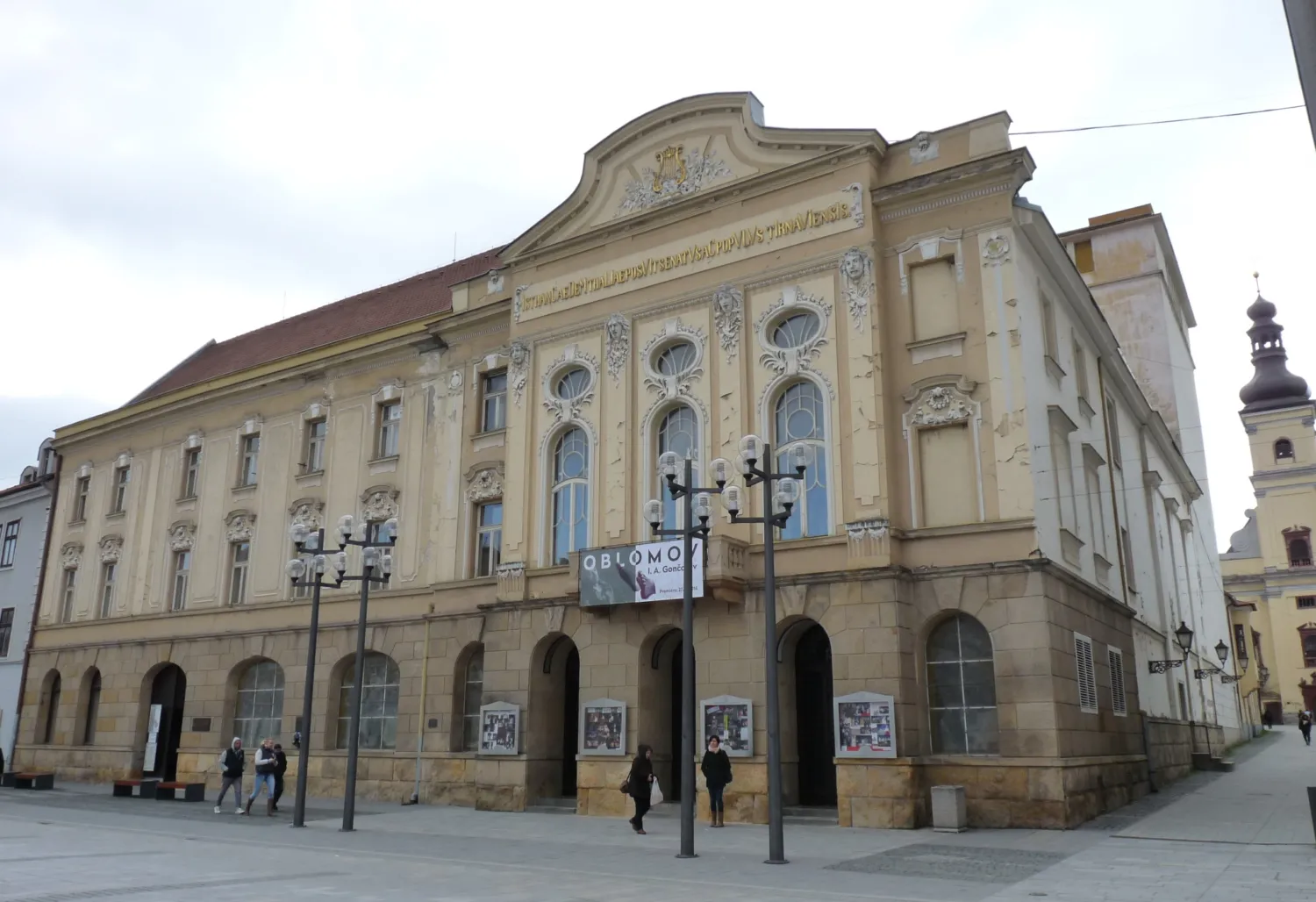
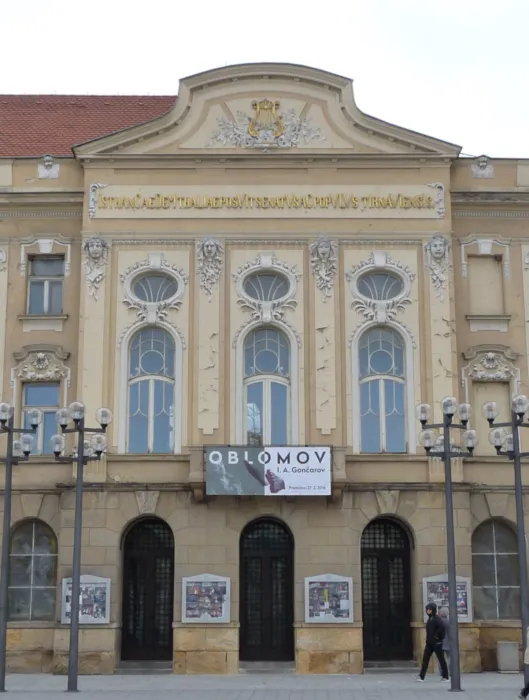
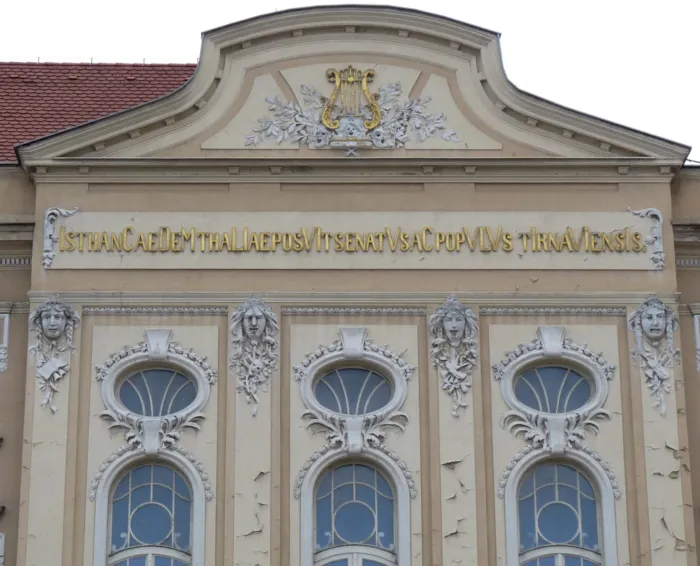
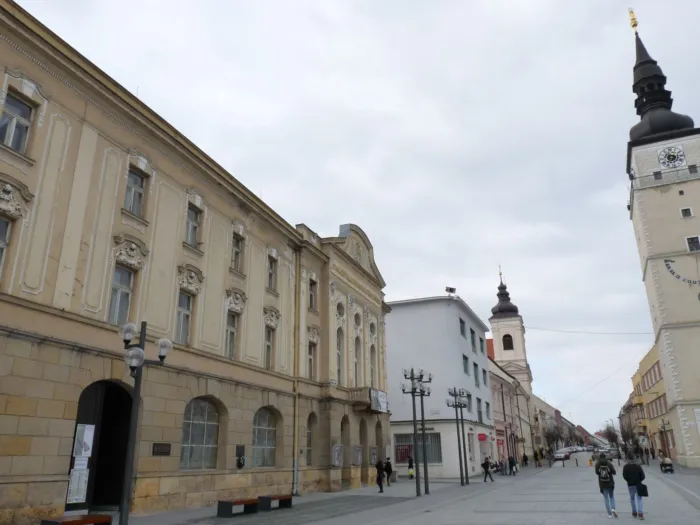
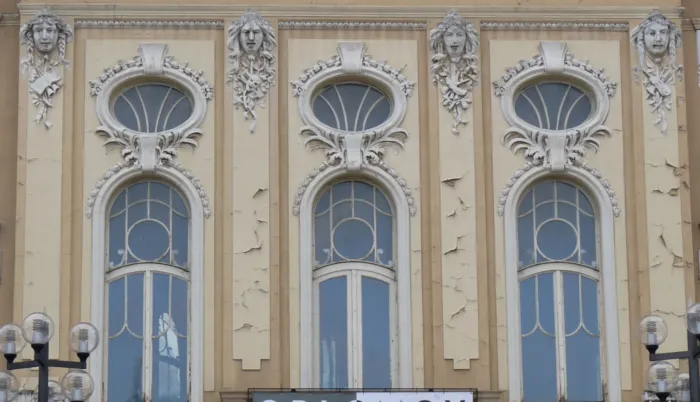
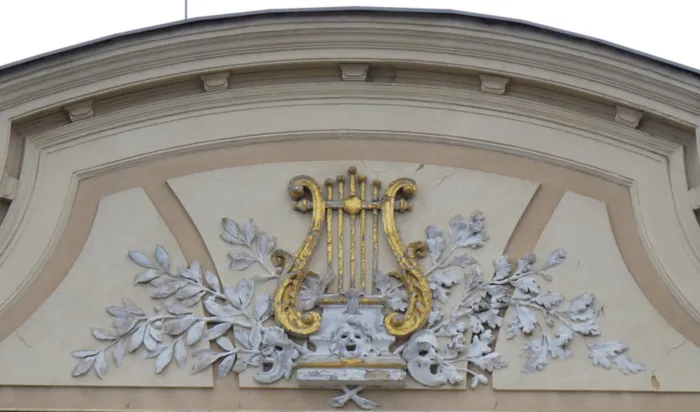
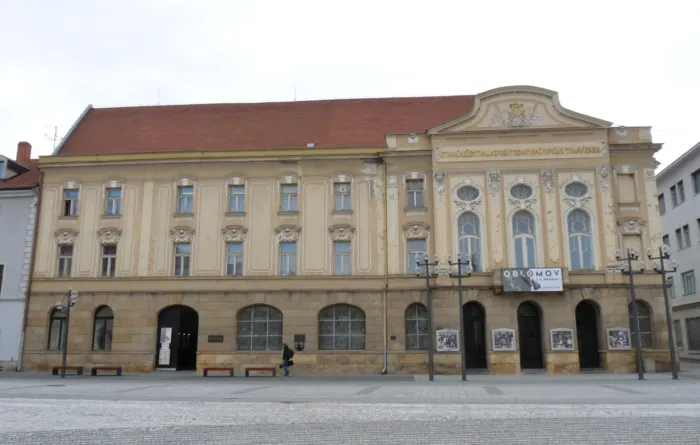
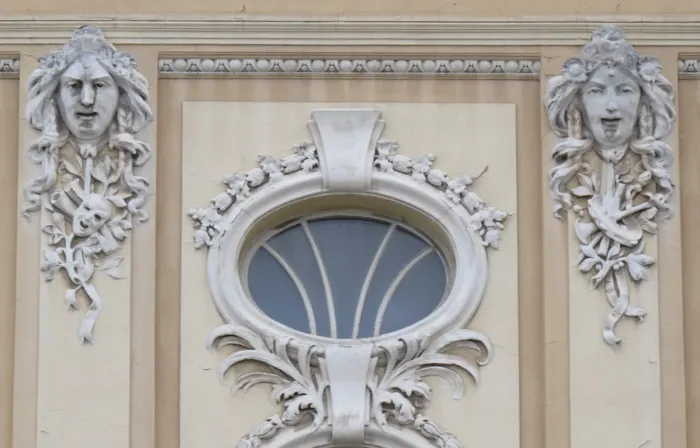
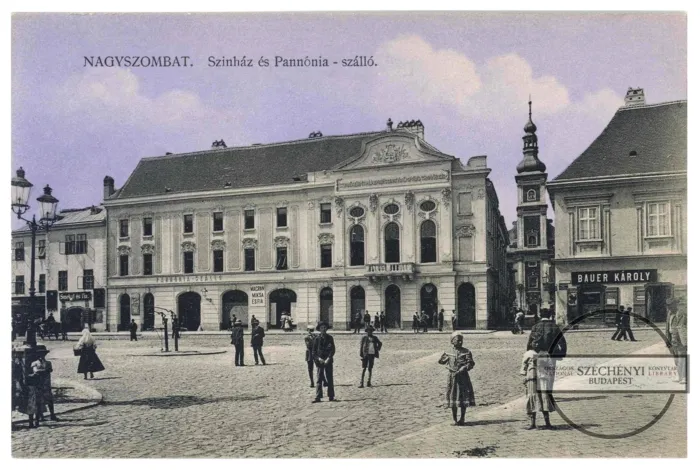
The oldest stone building in the Upper Hungary is the theater building: built in 1831 in the Empire style according to the plans of master architect Bernhard Grünn. The theater performances were initially in German, later in Hungarian, and currently in Slovak. The Pannonia Mirror Hall was built in 1907. Its auditorium had a capacity of 548 seats, which was very large (almost oversized) considering the time and local conditions. The first German-language performance was held on Christmas Day in 1831, the Hungarian-language one in 1844, and the first Slovak-language one in 1869. ; On the arch of the stage, gilded letters speak of the generosity of the society of the time: Aere sociali, MDCCCXXXI. - On its facade is this chronosticon: IsthanC aeDeM ThaLIae posVIt senatVs aC popVIVs TIrnaVIensIs. ; The acting in Nagyszombat gained momentum when Prince Miklós Esterházy had a permanent theatre built in 1692 at a cost of 500 frt., and four years later, he also donated his valuable wardrobe brought from Venice to the theatre. But from a Hungarian perspective, the performances only began to gain importance when the performances organized by the Jesuits in Latin became Hungarian. This is the merit of the religious orders, who later took over the leadership of the youth. ; In Nagyszombat, by the way, these performances have been a constant subject of interest for about 200 years. The teaching staff and the youth of the Catholic Archbishop's High School there, worthy of the fine traditions of the institution, enthusiastically cultivated not only drama, but also music, as evidenced by the theatrical performances and concerts organized on average twice a year in later times. These always featured the youth of the institute, under the guidance of teachers. The performances were not without higher artistic demands, insofar as, especially in the field of music, the works of classical authors often found enthusiastic interpretation, and in more recent times they even performed operas, and these performances were also well attended by the general public, although there were entrance fees. ; We note, by the way, that the authors of the school dramas were mostly from the teaching staff, and among them we note: the names of János Scharrenbeck, János Berger, Ferencz Komlóssy, József Márton and Zoltán Horváth Dr. (data of József Simkó and Győző Dr. Duschek). ; In Nagyszombat - where a beautiful theater for school drama is also being built in the boarding house of the high school, which has 12 boxes and several seats, and where there is also room for a 50-member orchestra - secular drama literature also gained ground, so that a permanent city theater was built in the first half of the 19th century, in which, keeping pace with the Magyarization of the city, Hungarian acting gained an ever-increasing space.