
The Reformed Church of Losonc
Built heritage
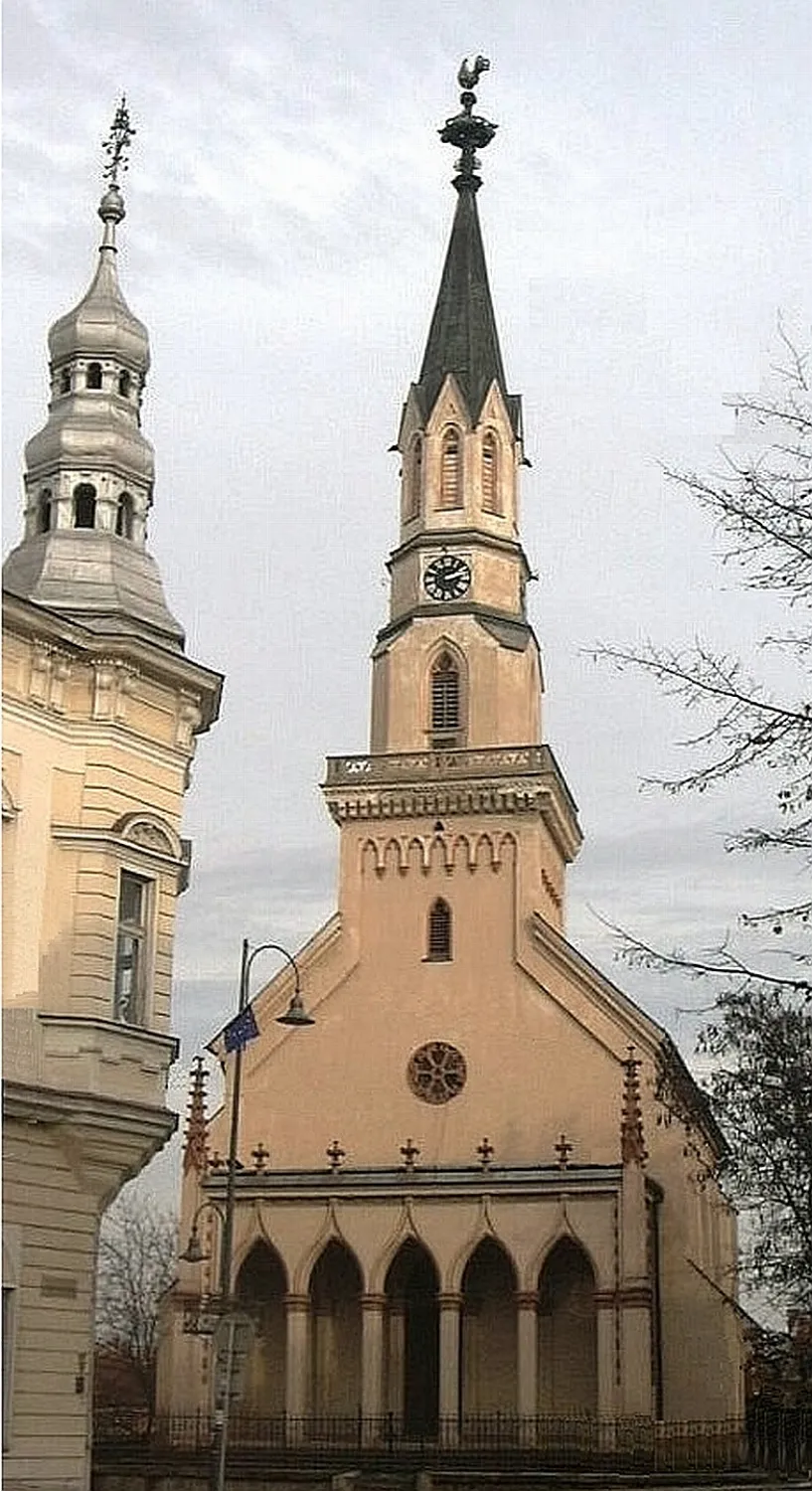
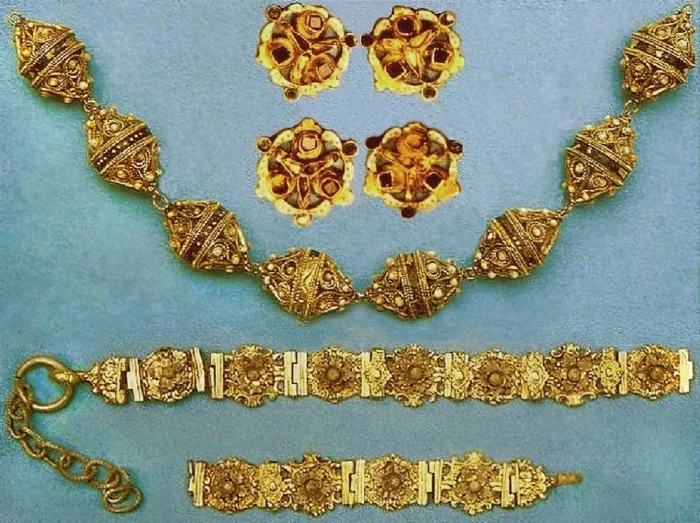
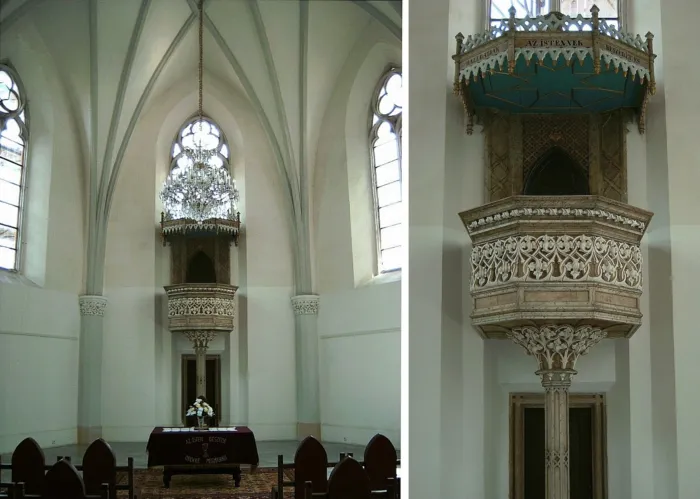
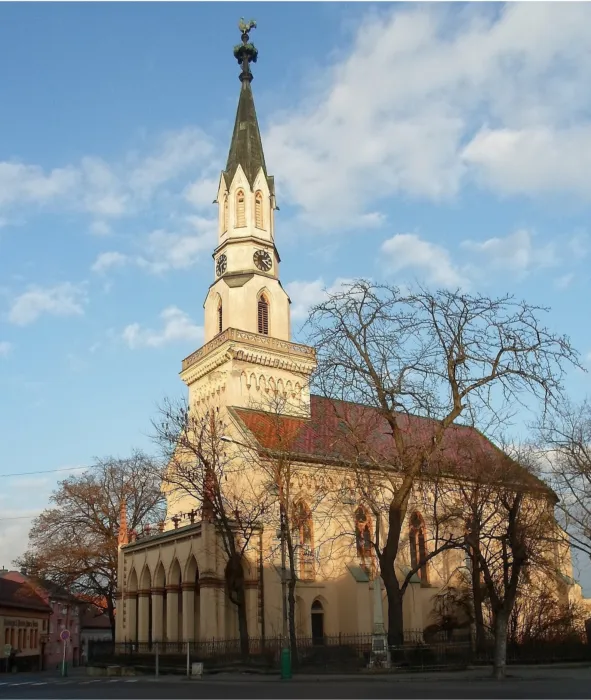
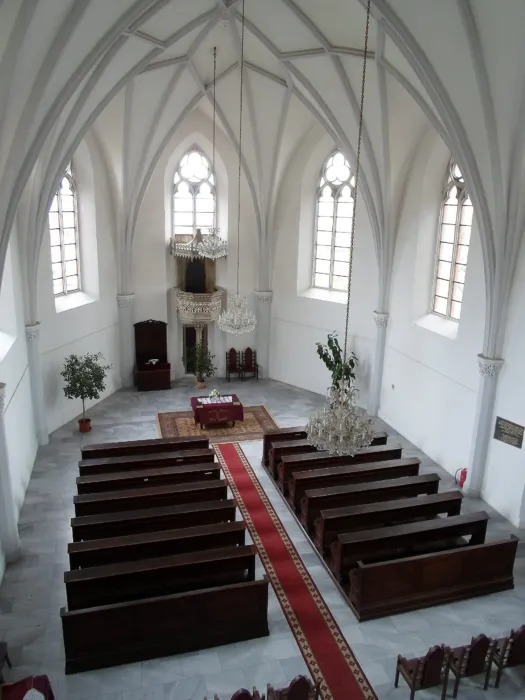
The church with its 65 m high tower was built in its current neo-Gothic form in 1854 according to the design of the Pest master builder János Wagner. The eastern end of the 25 x 11 m nave is polygonal, where the painted, carved pulpit stands, the only surviving 19th century piece of furniture. At the western end of the nave, four columns with decorative capitals support the gallery, where the organ, which was destroyed in 1945, is missing. The space is illuminated by architectural windows. There is a ribbed star and net vault on the ceiling. The ribbed arches run down to wall pillars with leaf capitals. The tower rises above the main western entrance with a colonnade, decorated with Gothic stone flowers, and at its peak is a 1.8-meter copper rooster. A bell lives in the tower. The clock shows the time in the four cardinal directions. This is the third of the churches built on top of each other, which stood here on the Losonczi family estate, in the center of Losonc. The church is mentioned in a charter of Charles I from 1327. Its square-shaped Early Gothic sanctuary walls were excavated in 1978. The people of Losonc, who converted to the Calvinist faith, rebuilt the old ruined church in 1609, which still existed in Gothic-Renaissance form in the 19th century. The corner bastion of the fortress church housed the church council and the general assembly of Nógrád county. In 1849, the Russians set fire to Losonc. The ref. church also burned down. In 1851, during reconstruction, a crypt with bones and jewelry was excavated. The find was taken to the National Museum in Pest, where it is still there today. It has never been revealed who wore the 16th century. rings, brooches, belts, necklaces from the end of the 19th century, whose shroud was a lace ribbon woven from silver thread. The crypt was buried at that time, its existence was forgotten, and it was only rediscovered in 1978. ; The new church was the pride not only of the Calvinists, but of the entire city until the end of World War II. At the turn of 1944/1945, the church suffered severe damage in the siege, only the pulpit and part of the benches remained. In addition to the material losses, the ref. church suffered other blows as well. The years of statelessness shook the foundations of the church with a rich past, which was deprived of all its property based on the Beneš decree. The confiscation de jure also applied to the church, but this was not enforced de facto. The church lands, the income of which formed the basis for the salaries of the pastors, teachers, cantors, and bell ringers, were confiscated, as were the school and cemetery. The church, reduced in size and broken, but maintaining its legal continuity, was converted into a prayer hall to ensure the practice of faith. The condition of the empty, ruined church continued to deteriorate. The authorities called on the church to put the church in order or hand it over to the state. The financially impoverished, depopulated church had no chance of restoration, so yielding to pressure from the authorities offering a complete renovation, it gave up the church in favor of the state in order to save the building. In 1978, the monument protection department began the restoration. The interior was excavated and a ruin garden was created, above which a steel structure holds the new floor. The remains of the walls of the former churches became visible, and in addition to the crypt, a skeleton grave was also found, where in 1851 silver coins from the late 15th and early 16th centuries were found. The tombstone was built into the church wall in 1851, its Gothic lowercase circular inscription is no longer legible. A part of the old church's floor paved with clay bricks with two column bases became visible. ; The renovated church was opened in 1988 as a temporary exhibition room of the district museum. After 1990, the church's claim to the church through the courts was unsuccessful, and the building, which had meanwhile become the property of the Banat County Government, was claimed back by the church with the support of the MKP county representatives. In 2004, the county assembly approved that the "excess property" would be returned to the church in exchange for a transfer fee. In 2005, the intended use, the preaching of the Word, could begin, in the spirit of what is read on the pulpit: Blessed are those who hear the word of God and keep it. In 2015, a commemorative plaque was unveiled in the church on the occasion of the 150th anniversary of the consecration and the 10th anniversary of the repossession from state ownership to church ownership.