
The Reformed Cemetery of Losonc
Memorial site
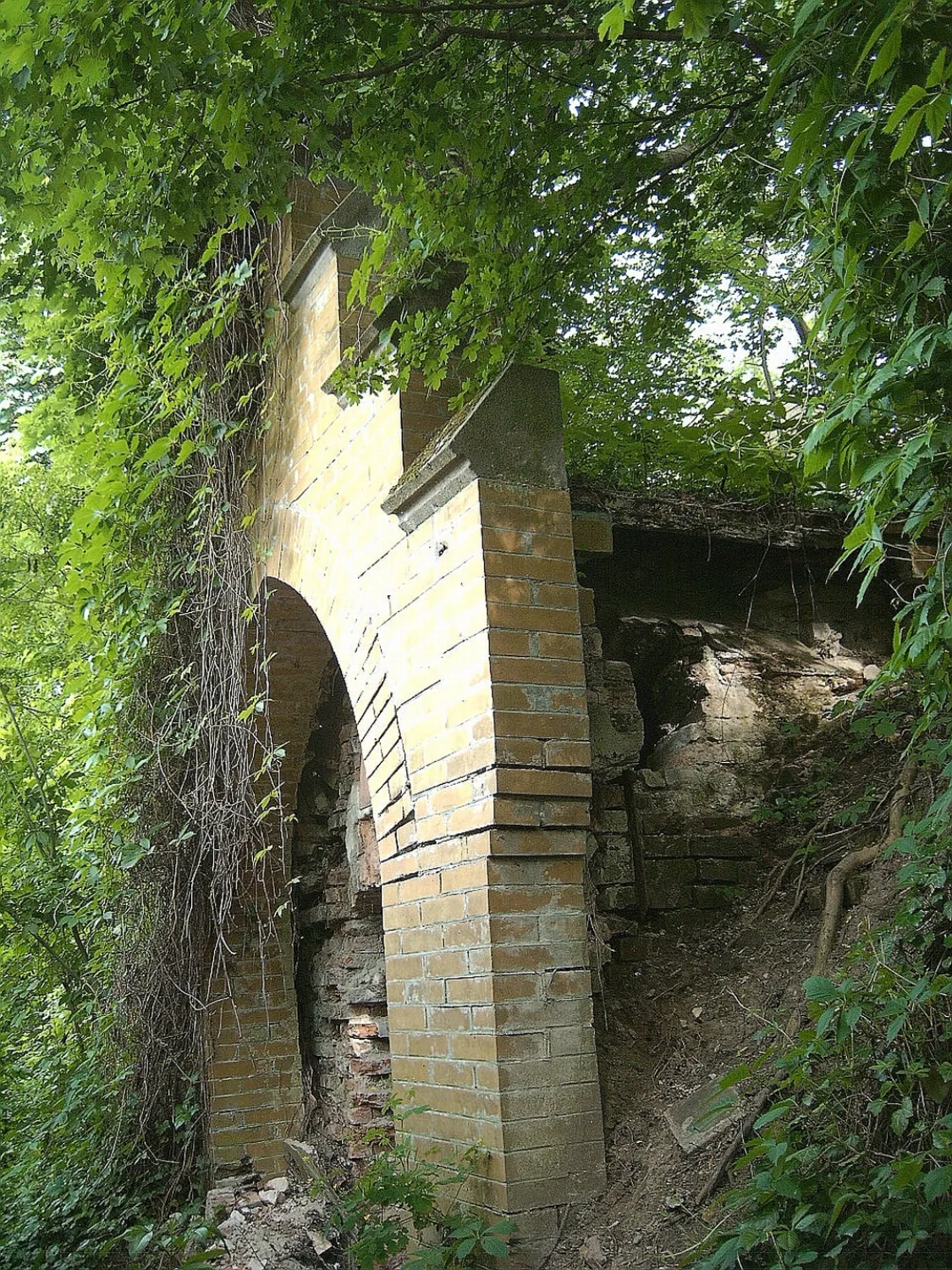
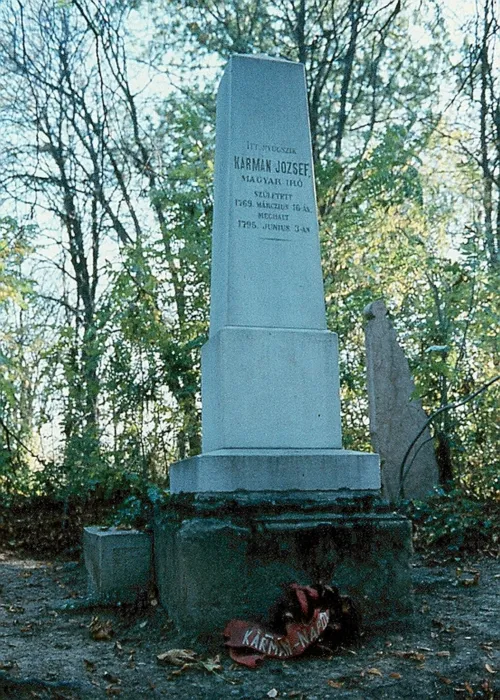
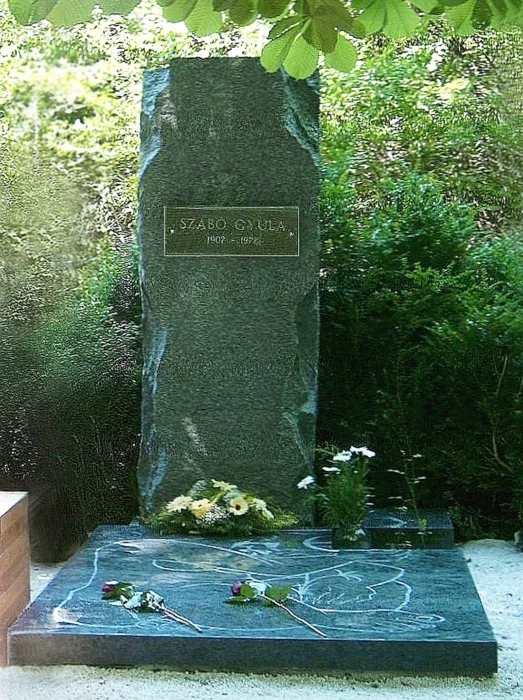
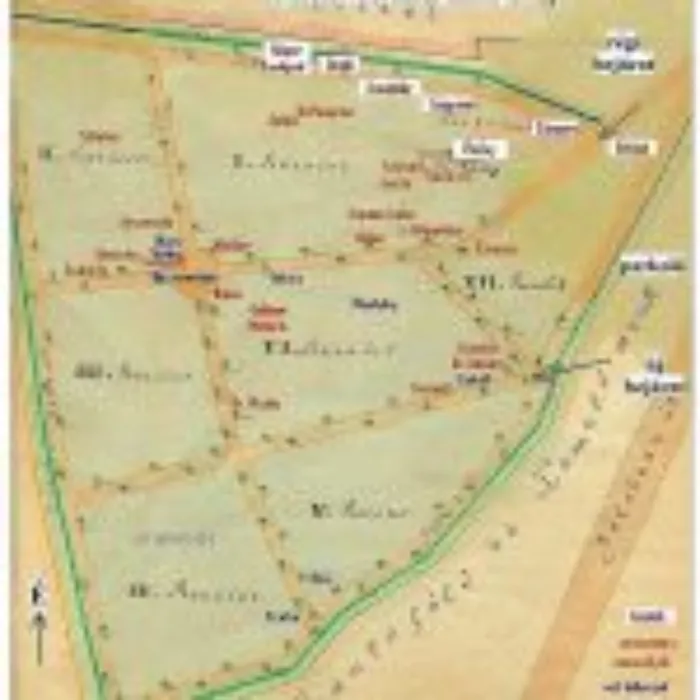
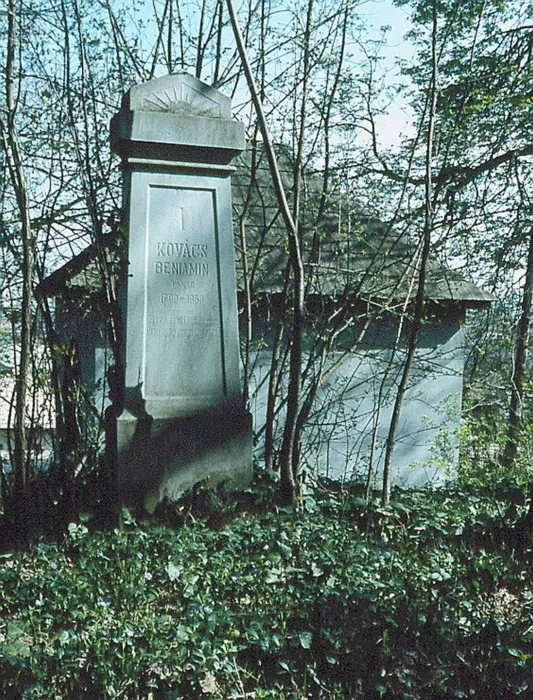
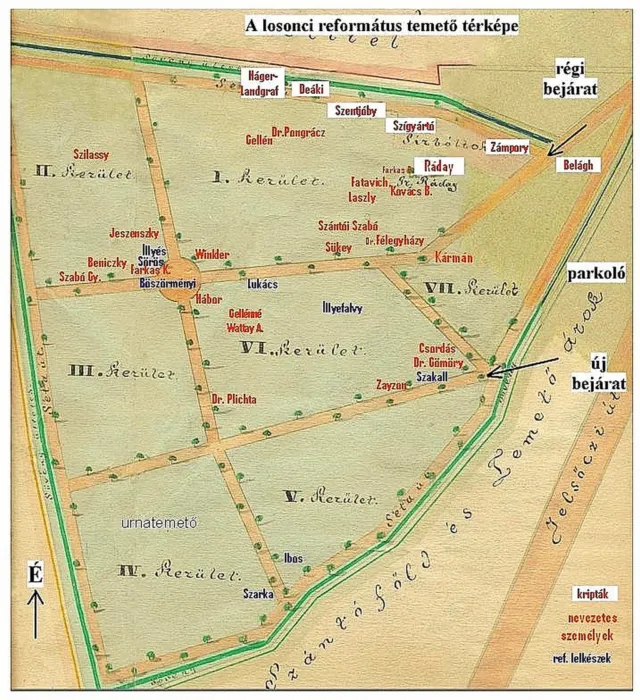
The written history of the Losonc Reformed Cemetery begins with the burial of Pál Ráday in 1733. "On Sept. 20, I laid the body of my dear lord in the new crypt made in the Losonc cemetery," his widow Klára Kajali noted. In the patent market town that converted to the Reformed faith at the end of the 16th century, a ref. cemetery already existed at the beginning of the 18th century, and burials were no longer held in the churchyard at that time. The ref. cemetery is the oldest cemetery in the city, the r. Catholic and Lutheran public cemetery was established at the beginning of the 19th century, and the Jewish one in the second half of the century. ; The triangular layout, road network, and tree rows of the 3-hectare cemetery were designed in 1882. The 7 plots from that time still exist today. Not only the roads crossing the cemetery, but also the walking paths surrounding its three sides were designed as tree rows. In addition to most of the horse chestnuts, there are also ash, oak and pine trees. Under the northern slope of the cemetery on the hill, there is a row of crypts built in the second half of the 19th century. The church maintained its cemetery undisturbed for 250 years, it survived the destruction of Losonc by the Russians in 1849, and World War I and II. In 1946, the authorities confiscated all the “agricultural property” of the Reformed Church, including the church and school, based on the infamous Decree No. 104/1945. The confiscation also applied to the cemetery, but it was not touched, and only members of the Reformed Church, decimated by the deportations, were buried there. László Böszörményi was a pastor for 50 years and buried 400 Reformed Hungarian believers between 1939 and 1989. The cemetery was not only a Reformed but also a Hungarian burial place until the end of the 20th century, which is why many people from Losonci of other religions requested to be buried here. Since many notable personalities are buried here in existing or now missing graves, this cemetery is still known throughout the country as the Losonci pantheon. ; The most significant graves: ; • Pál Ráday † 1733, secretary of Ferenc Rákóczi II, János Szabó Szántói † 1771, his inscribed stone coffin is a rarity ; • József Kármán † 1795, writer, newspaper editor, theater organizer ; • Károly Sükey † 1854, poet, translator, soldier ; • Benjámin Kovács † 1859, director of the Losonci ref. lyceum ; • Dr. Pongrácz Mihály of Felső Őri † 1879, chief physician of Nógrád county, pioneer of cesarean section; • Sámuel Szígyártó Losonczi † 1895, lawyer, city, church and royal councilor; • Károly Farkas † 1904 lawyer, teacher of the Losonc ref. lyceum, church and city councilor, chief prosecutor; • József Nagy † 1908, 1848 military artilleryman, elementary school teacher, secretary of the Nógrád Military Association; • Kálmán Beniczky of Micsinye and Beniczei † 1915, director of the Losonc high school, knight of the Francis Joseph Order; • id. Dr. Aladár Szilassy of Szilassy and Pilisi † 1924, lawyer, member of the House of the Order, privy councilor, founder of the Baár-Madas girls' education institute, organizer of the Keresztyén Youth Association, chief guardian of the Tolna ref. diocese; • Jr. Dr. Aladár Szilassy † 1912, doctor, founder of scouting, commander of the 1st Budapest scout troop; • Béla Sörös † 1939 ref. pastor, bishop, founding director of Losonc Theology, member of the Upper House of the Parliament; • Gyula Szabó † 1972, painter, graphic artist, poet; • Oszkár Winkler † 1970, architect, teacher, representative of the Bauhaus, namesake of the local construction vocational high school