
The Léva Castle and the Dobó Castle
Building, structure
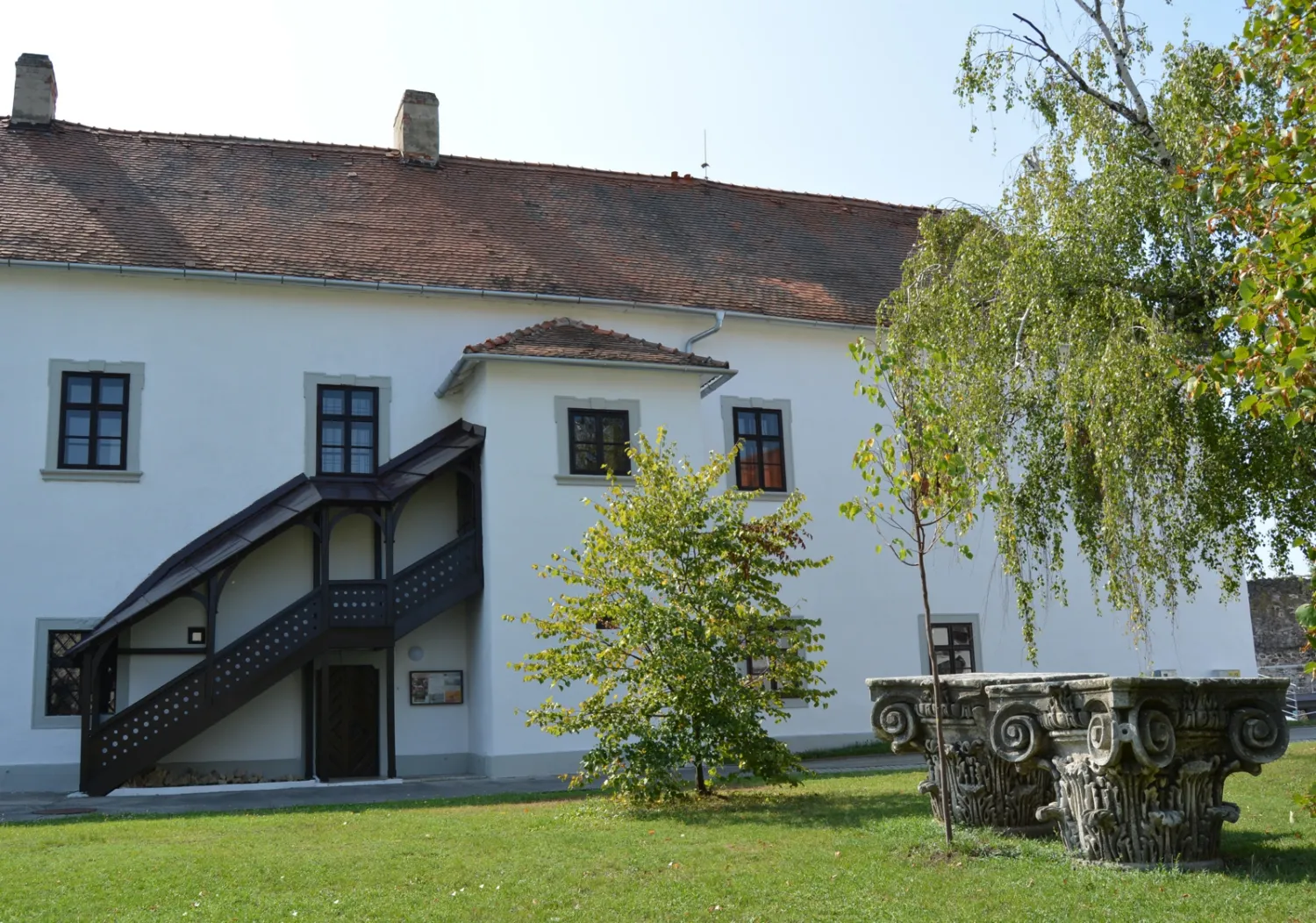
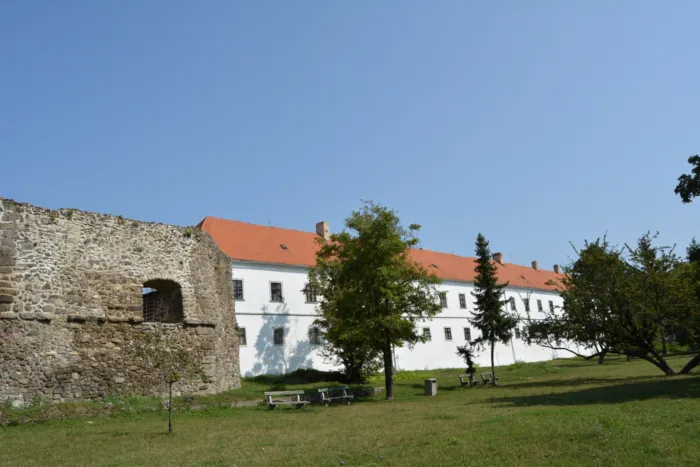
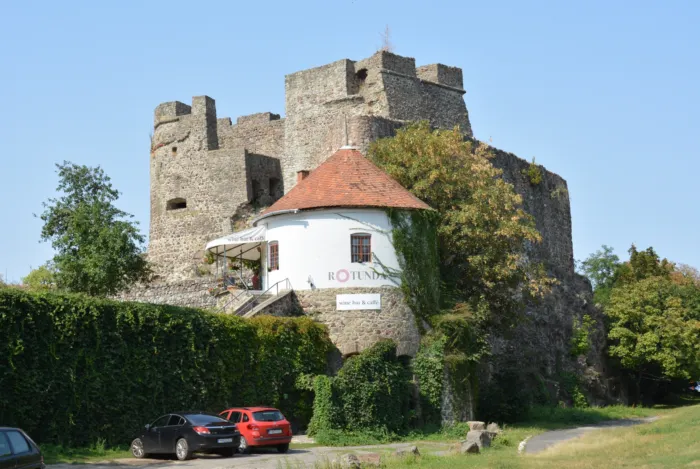
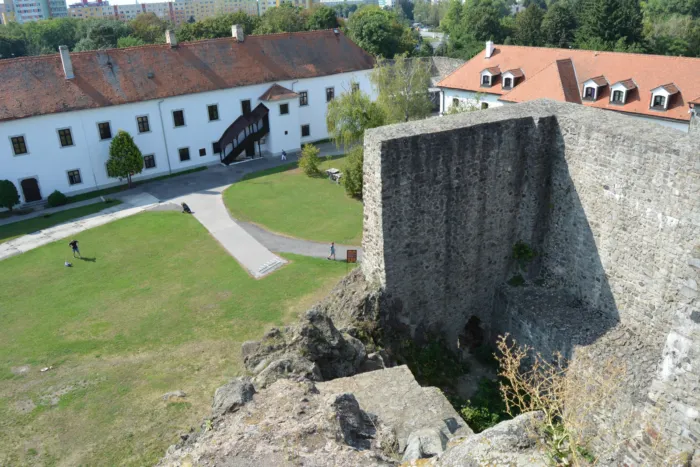
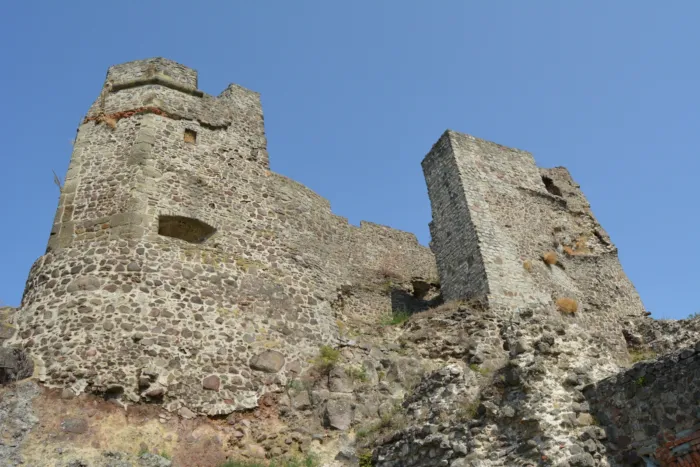
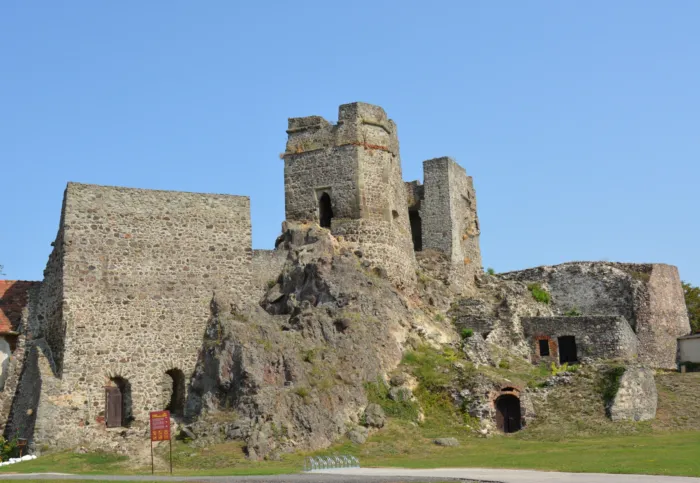
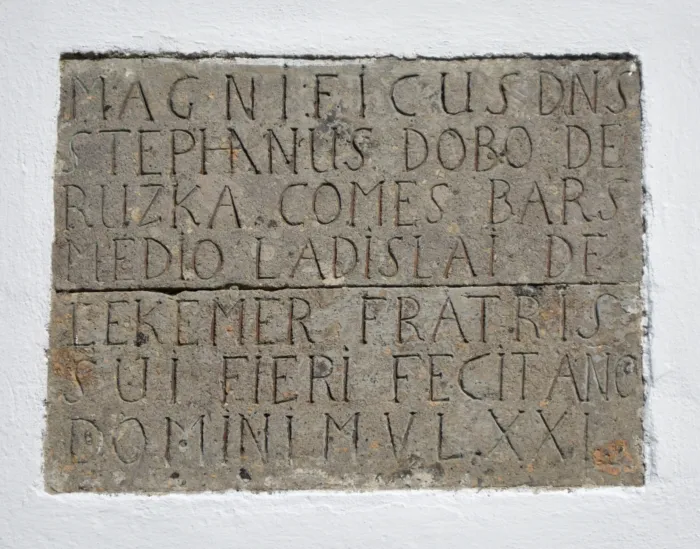
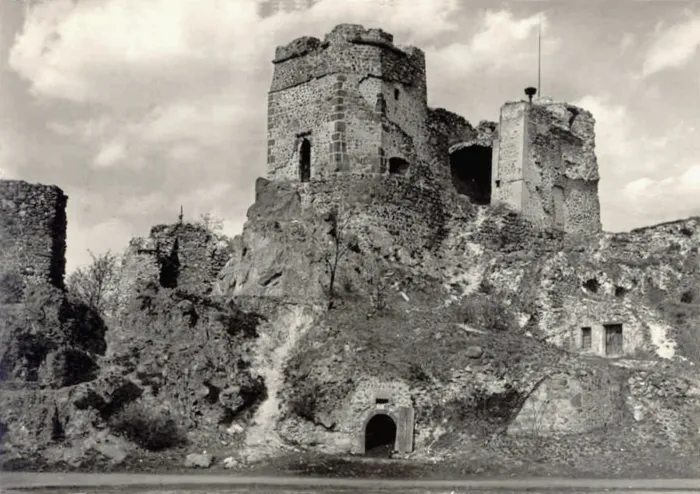
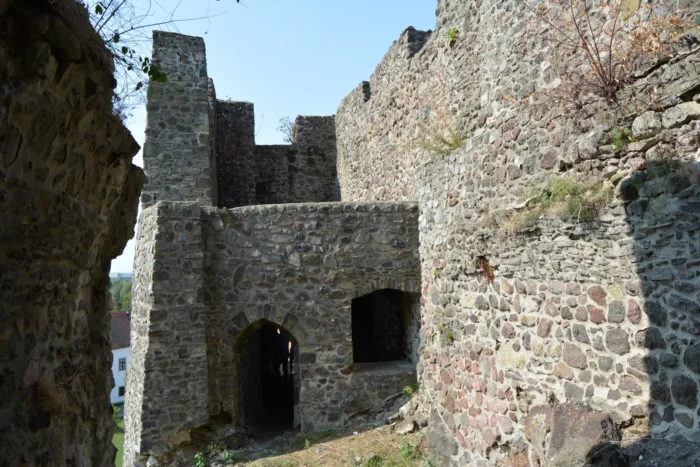
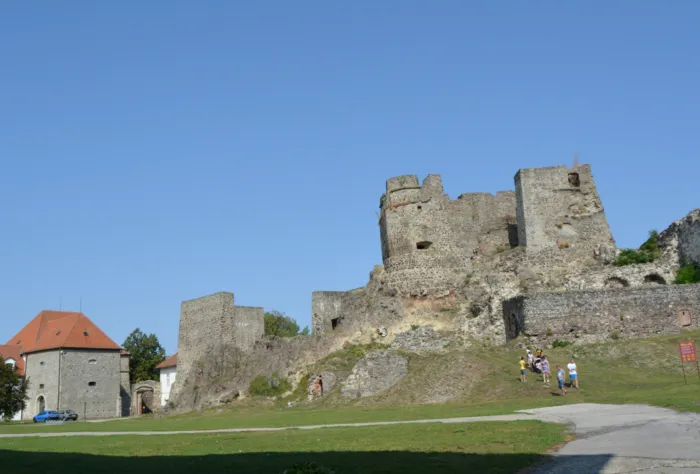
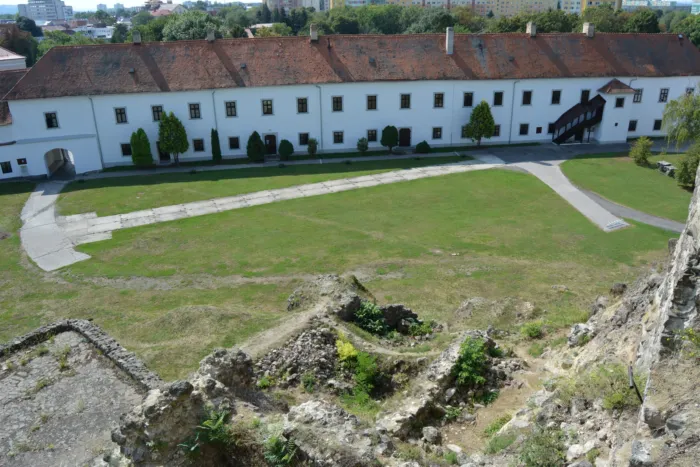
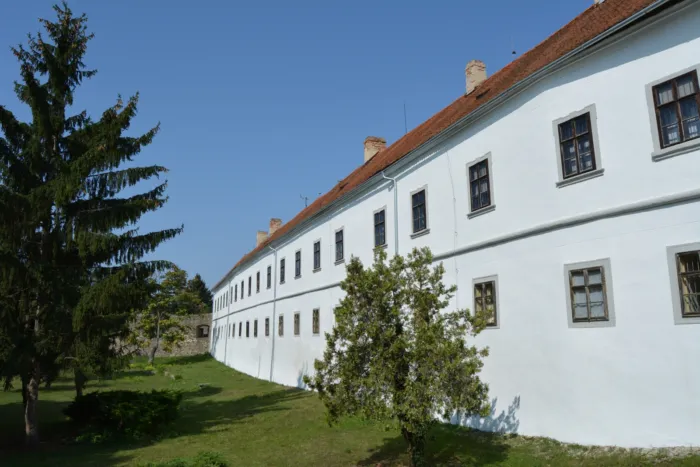
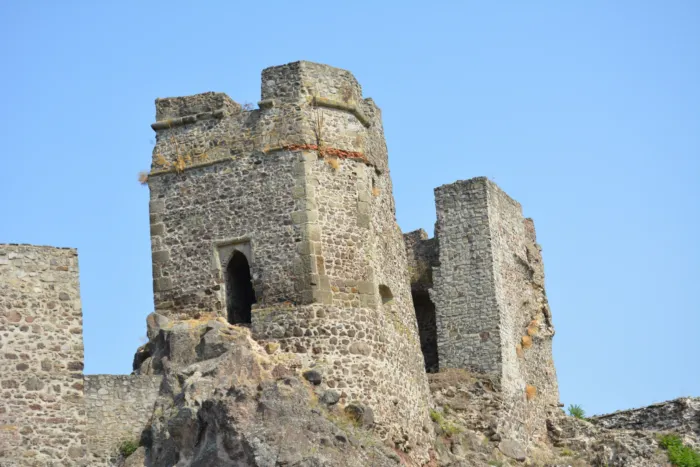
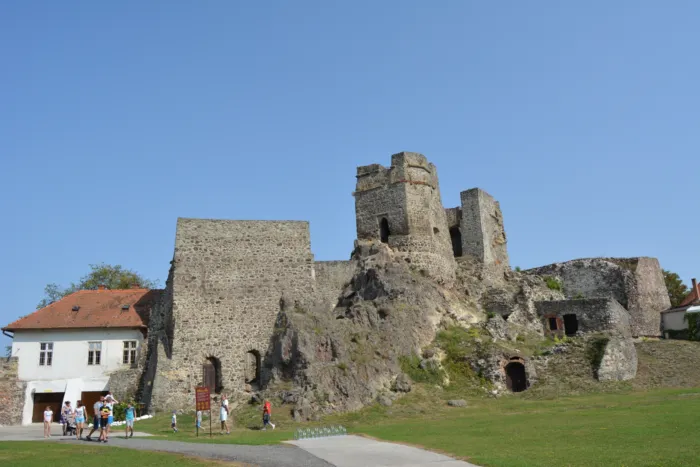
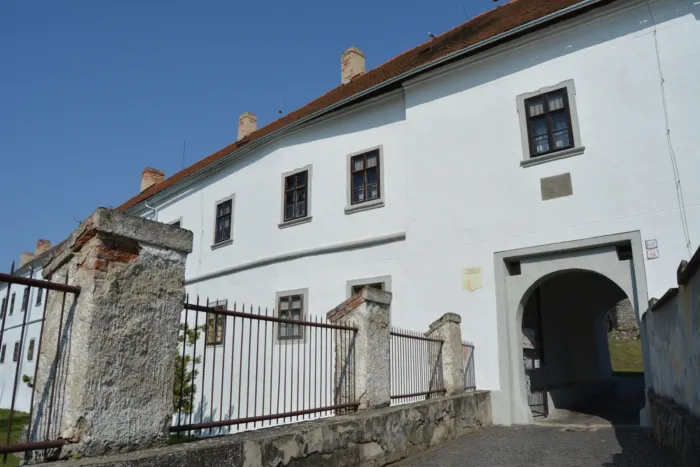
The medieval fortress of Léva can be found in the inner city of Léva, from afar only the rock block of the upper castle stands out from the surrounding housing estate blocks. In place of the former wooden bridge built on the southern side, a long stone bridge now spans the site of a wide moat that was once filled in. In 1558, István Dobó, the hero of Eger, received Léva, and he began building the Renaissance-style, multi-storey palace along the southern wall. By the time it was completed in 1571, Dobó was already languishing in captivity in Bratislava. Today, the Barsi Museum can be seen between its walls, with an exhibition primarily presenting wildlife. The long building is surrounded by cannon bastions built in the 16th century. Among them, the SW defensive wall has a multiple broken shape, with excellent firing points for artillery guns, while the SE one is of the regular old Italian type, which was later expanded. The W side of the lower castle courtyard is occupied by the Captain's House. Next to it is the NW multi-storey gate bastion, which was recently restored. Unfortunately, the wooden bridge leading from here, which was a characteristic part of the old sections, has not been restored, the medieval marshland is currently overgrown with dried bushes. We arrived at the N bastion, from where the defenders could subject the enemy who wanted to approach the moat to devastating cannon fire. It is interesting that the Italian bastion, suitable for placing cannons and meeting the military technology level of the time, was built around the 15th century round tower. In the middle of Léva Castle, on a low cliff, the 13th century upper castle rises. It is a typical example of the small fortresses built at that time, as it consisted only of an elongated, thick-walled old tower occupying the 50 x 12 meter cliff plateau, a palace section and the surrounding stone wall. A huge gaping hole in the wall of the old tower is reminiscent of the imperial bombing of 1702. A round tower attracts attention to the E of the restored walls of the upper castle. This may also have been one of the outer towers of the smaller 15th century royal castle, which was converted into a place of prayer ("jam") by the Turks who briefly occupied Léva in 1663. Today, the restored walls of Léva Castle await visitors curious about history as part of its bloody past. -- To the S of Léva Castle, the town, which was dependent on the landlords, was also surrounded by walls, of which no trace remains today. History: The first documented mention of the village, inhabited by serving castle dwellers and under the administration of the wooden-earth royal manorial castle of Bars, dates back to 1156, under the name “villa Leua”. After the Bars fortress was destroyed during the Mongol attack on the country, on the orders of King Béla IV, taking advantage of the good defensibility of the small rocky peak rising here, a new manorial center was established, the walls of which were built of stone. From then on, this was the royal center of Bars County. Shortly after its construction, it was caught up in military events, so in 1271, the army of the Czech king Ottokar II besieged it, but the defenders repelled their attack. After the death of the last king of the Árpád dynasty, Endre III, the strengthened oligarchs extended their influence over vast regions. The lord Máté of the Csák family, who ruled with his center in Trenčín, gradually brought under his rule the church and private estates north of the Danube River. According to contemporary sources, the baron's armed men occupied the castle of Léva around 1312. It belonged to him until 1321, when, after the death of the lord of the province, Nicholas, son of Amadé of the Gutkeled family, a supporter of King Charles Robert of Anjou, invaded the Csák territory with his troops and occupied the fortresses of Appony, Ugróc, Privigye and Bajmóc. Seeing these successes, the ruler, Charles Robert himself, went to war. On July 6, 1321, the royal army arrived at the castle of Léva. Here, Charles Robert, in order to turn the governor of Kistapolcsányi Gyula to his side, donated the silver mine of Bakabánya to him. However, no agreement was reached with the cautious mayor at that time, so the royal army continued on towards Trenčín, whose castle was surrendered by its defenders in a bloody siege, and finally after an agreement. After the fall of the heart of the Csák empire, the garrisons of the other castles also gave up their posts. Now, Léva Castle also surrendered before the royal army on its way home, and the mayor Gyula Kistapolcsányi swore allegiance to Charles Robert. The monarch transferred him to another office and appointed Imre Becsei to head Léva and also the royal ispan of Bars. The castle was the scene of a tragic event in 1330, when the daughter of Felicián Zách, Sebe, who had committed an unsuccessful assassination attempt against the royal family, was beheaded by the mayor of Léva, according to the verdict of the extraordinary court. The Léva castle estate, like many others in the country, changed hands after King Sigismund of Luxembourg ascended to the throne, when in return for his support it passed into the possession of Baron László, son of Péter Sárói. The son of the new landlord took on the noble surname of Lévai Cseh. In the 1440s, the battle-hardened Hussites who occupied the central areas of the Highlands unsuccessfully attacked them; according to the surviving charter, they only managed to set fire to their buildings, but the family's armed men repelled their attack. During the civil war after the unsuccessful Battle of Mohács with the Turks in 1526, the Lévai Cseh family supported the Austrian Archduke Ferdinand of Habsburg, then King of Hungary. Thus, Baron Gábor participated in the siege of Pest, which was occupied by the Turks, in 1542, during which he was mortally wounded. To protect her only son, who was still a minor, the widowed Anna Thurzó soon married the nobleman Menyhért Balassa, whom King Ferdinand had appointed as the chief of Bars at that time. In the spring of 1544, the Turks of Esztergom climbed over the clay-plastered palisade wall of the town of Léva one night using ladders. Cutting down the resisters, the Janissaries and Spahis launched an assault on the castle gate. At the sound of the battle, the landlord Menyhért Balassa jumped out of bed, grabbed his sword and hurried to the gate porch. The Turks, who were charging in packed ranks, were cut down by the defenders' volleys of cannon and rifles. Finally, the attackers were forced to retreat, driving the horses they had captured with them. The houses were also looted and then set on fire. Lord Balassa and his soldiers pursued them on horseback, but seeing the large number of Turks, they only caught them in the rearguard and then turned back to Léva. In the meantime, however, the Hungarian military from the surrounding border castles also arrived here. They came across the marching Turks in the valley near the market town of Szalka. Led by Captain Ferenc Nyáry from Surányi, the Hungarians launched an attack. In a bloody melee, they routed the Turkish száhík, who eventually left the Janissary team alone. They defended themselves fanatically and almost all of them fell. According to a contemporary source, 500 Turks were killed in the “Battle of Szalka”. Léva Castle played an important strategic role in the slowly developing royal border castle system, and its captaincy was always headed by renowned lords. For example, in 1546, István Dobó appeared in the news for a short time, who moved from there to Eger Castle in 1548. Balassa Menyhért, the chieftain of Bars, as a typical lord of his era, tried to take advantage of the chaotic conditions to enrich himself, so he regularly plundered and plundered the property of the smaller landowners in the area. At the request of many complainants, King Ferdinand of Habsburg finally decided to arrest the robber knight. At the same time, an action was also taken against the robber captain Mátyás Basó, who ruled Tiszolc and Murány. In the summer of 1549, the national captain-general Nikolaus Salm, on royal orders, besieged and captured the castles of Lord Balassa in Léva, Sitnya and Csábrág. The robber knight did not defend any of the fortresses personally, but fled to his Transylvanian estate. The castle governor, Tamás Dacsó, surrendered Léva to the royal troops only after a long defense. Léva, together with the serf villages belonging to it, was returned to its rightful owner, János Cseh Lévai, who had come of age in the meantime. The nobleman later died without leaving a male heir, so the Léva manor was returned to the management of the Royal Chamber. The border castle in Esztergom, threatened by the Turks, was headed by excellent captains, such as Imre Telekessy, then György Thury. According to the 1554 mercenary list, its guard consisted of 400 hussars and 200 hajdús. The increasing Turkish threat required the reconstruction of the Léva border castle to be suitable for warfare with cannons, so old-Italian bastions were erected to accommodate artillery equipment, which were formed at the corners of the outer castle built for a large guard. In 1558, King Ferdinand of Habsburg, as compensation for his captivity in Transylvania, granted Baron István Dobó of Ruszka the castle estates of Léva and Végles, and in addition, he received the market towns of Telkibánya and Gönc in return for a pledge of 7 thousand gold. To replace Dobó's seized property in Transylvania, the ruler also secured the thirtieth duty of Senc, up to the beginning of 30 thousand gold. The lord, as the captain of the castle of Léva, was appointed the chief governor of Bars county. The new owner began large-scale construction work in the castle of Léva. Work began on the construction of a Renaissance-style palace in the southern part of the outer castle, next to the gate. In 1568, Dobó was arrested in Vienna on trumped-up charges, but he did not stay in prison for long, as with the help of his servants, dressed in peasant clothes, he escaped and entered the well-fortified Léva Castle. The news spread at the Viennese court that István Dobó, János Balassa and other Hungarian lords wanted to overthrow the Habsburgs and make Sigismund János, the Turkish-backed lord of Transylvania, king of Hungary. The following year, when Dobó and Balassa appeared at the Bratislava Diet, the guards arrested them on the orders of Emperor and King Maximilian of Habsburg. Dobó and Balassa were kept in separate rooms in Bratislava Castle, not in the prison, but in the palace wing. Their servants could come and go freely, the food was sufficient, but the wine was – in Dobó’s words – “inferior”. They often checked their rooms to make sure they did not have things they could use to escape. At that time, the Léva Castle of the Dobó estate was managed by László Zeleméry, who was the nephew of the imprisoned baron. Balassa escaped from his captivity in the spring of 1570, but the sick and gouty István Dobó could not undertake such an adventurous escape; for a year after the incident, even his wife was not allowed to see him. Since János Zsigmond, Lord of Transylvania, later died, the trumped-up charges became obsolete, and finally in April 1572 the way to freedom was opened for Dobó. He left for his Szerednyei Castle, where the hero of Eger in 1552 shortly breathed his last. His huge fortune, including the Léva Castle, was inherited by his son Ferenc Dobó, who died on Oct. 1572. Between 1602 and 1602 + he held the position of the chieftain of Bars. Of course, the smaller and larger Turkish raids constantly endangered the inhabitants of the surrounding serf villages, but in 1578 the border fortress itself was attacked by pagan troops. However, the garrison successfully repelled their attack. After Ferenc Dobó of Ruszka died in 1602 without leaving any descendants, all his estates returned to the management of the Vienna Chamber. The 17th century was noisy with campaigns against the tyranny of the Habsburg imperial house, so in 1605 the Hungarian border fortresses opened their gates to the troops of István Bocskai's hajdú soldiers, and in 1619 to the troops of the Transylvanian prince Gábor Bethlen. Although the Turks appeared frequently in this region, the development of the settlement also began in the relative safety of the royal border fortress. The organization of fairs and weekly markets, the craft guilds gave Léva its status as a market town surrounded by palisades. In 1640, King Ferdinand III of Habsburg granted the Léva castle estate to László Csáky, the captain of the Léva castle. Csáky had a military engineer estimate the costs of repairing the fortifications, which would have amounted to 58 thousand gold forints. The expression “Csáky’s straw” originates from this period. In November 1645, a large Turkish cavalry and infantry army attacked the city of Léva to plunder it, but due to the fierce resistance they were finally forced to retreat. After 1660, the Léva castle estate was acquired by the Esterházy family, who were unwaveringly loyal to the Habsburgs. Fateful days followed in the autumn of 1663, when the armies of the Turkish Grand Commander Köprülü, after taking the strategically important Érsekújvár, successively occupied the royal border fortresses in the area, such as Nyitra and Nógrád. On November 2, Captain Gáspár Bartakovich of Léva handed over the fortress entrusted to his care to the Turkish troops appearing in front of the walls without firing a cannon. The Orthodox, who had brought the vast areas of the Upland under their rule, established a taxing area, a sanjak, in Léva. In the summer of the following year, in the battle fought near Léva, General Souches defeated the Pasha of Érsekújvár's army and then occupied the castle. According to the report of the battle prepared by the imperial commander, the small number of Hungarian knights serving under him held their own well. Baron István Koháry the Elder, the chief of Hont, also fell in this bloody battle. During the Kuruc uprisings, in 1682, it was briefly occupied by the horsemen of Imre Thököly. According to a contemporary source, a huge fire devastated the market town in 1696, which also caused damage to the border castle of Léva, but the order to blow it up issued by Emperor and King Leopold of Habsburg in 1702 was more serious. At that time, military engineers damaged its walls with gunpowder in several places, but it still remained in a relatively defensible state. It played its last military role during the War of Independence led by Ferenc II Rákóczi, when it was occupied by the horsemen of László Ocskay after a short siege in the autumn of 1703. The victorious Kuruc leader held his wedding with Ilona Tisza in the city. The following month, Imperial General Schlick surprised the rebels camped at Léva with 7,200 mercenaries and 12 cannons, who were routed by the battle-hardened mercenaries. Only after the victorious Battle of Zvolen were the Kuruc soldiers able to occupy Léva again, which from then on was considered a peaceful hinterland for the rebels raiding the western border. In 1705, the most important body of the uprising, the Court Council, convened in the city. In October 1708, Imperial Field Marshal Heister set out to capture the economically important mining towns after the unsuccessful siege of Érsekújvár. The Kuruc rebels, retreating from the superior force (on the orders of General Vak Bottyán?), set fire to Léva Castle, which no longer played any military role. While its defensive works were in ruins, its buildings continued to be inhabited and utilized. Monument protection experts excavated and restored the fortifications of Léva Castle in the 1970s. While the 13th century upper castle is not open to the public (2001 data), the Dobó Palace houses the Barsi Museum exhibition.