
Church of the Good Shepherd
Building, structure
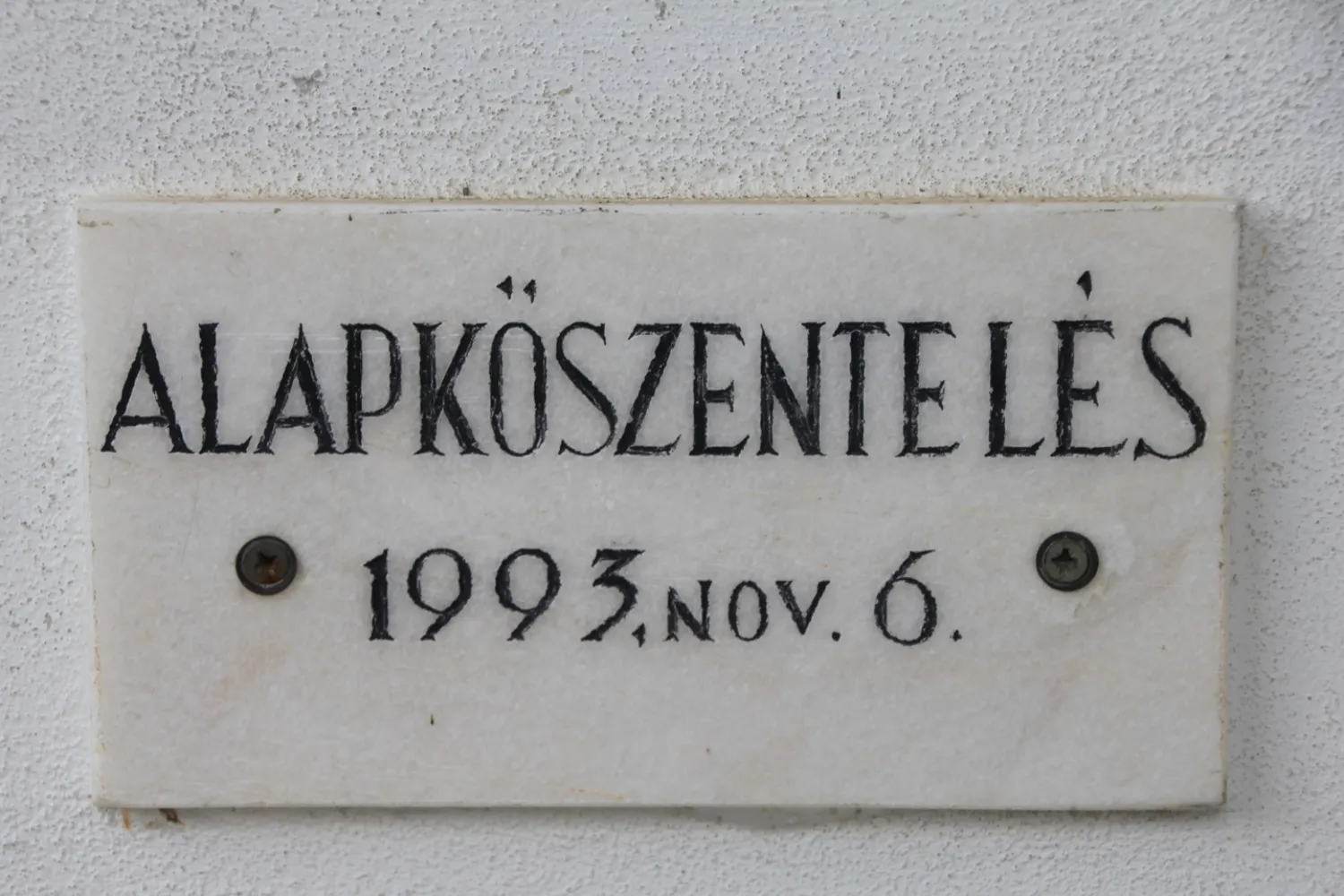
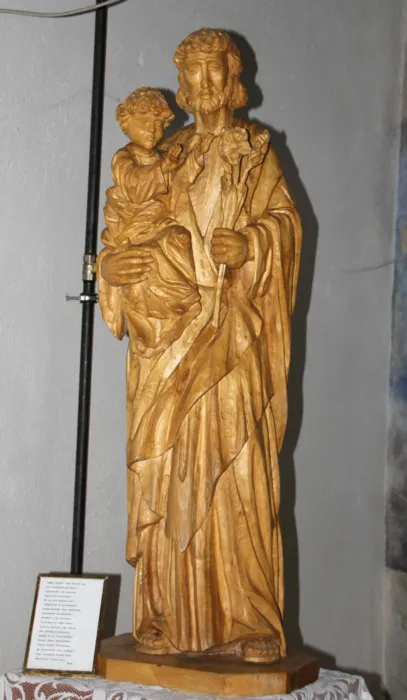
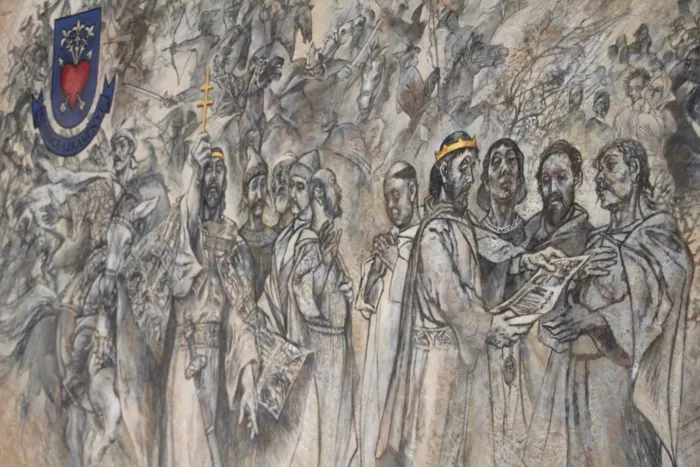
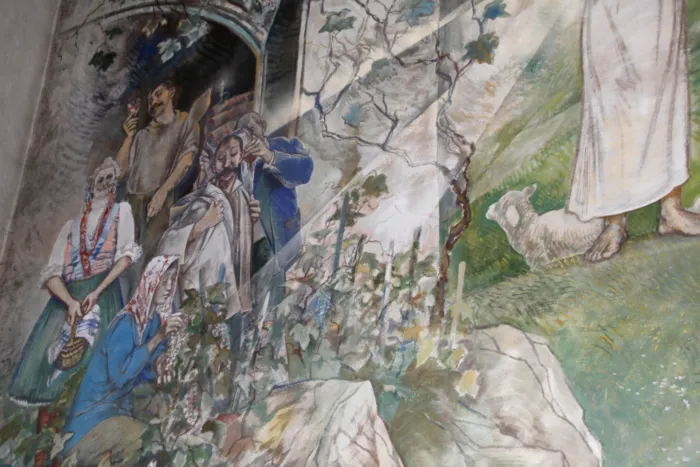
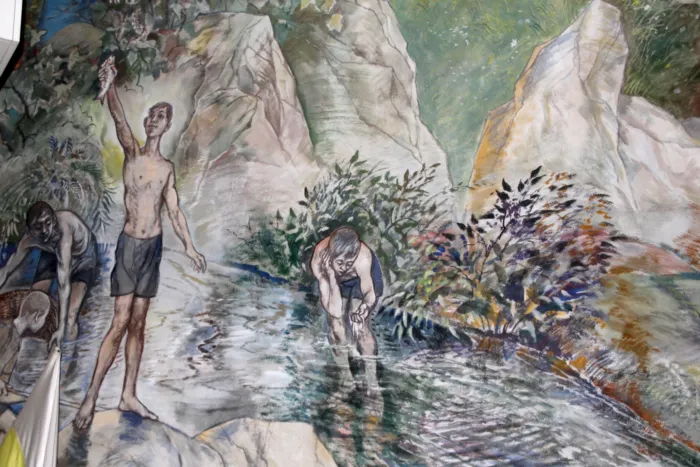
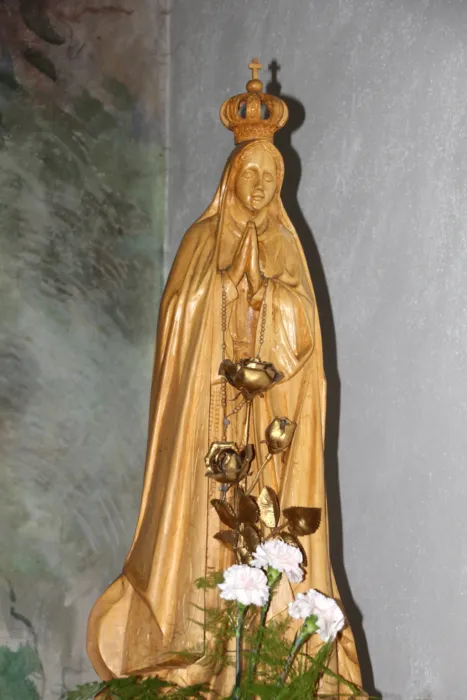
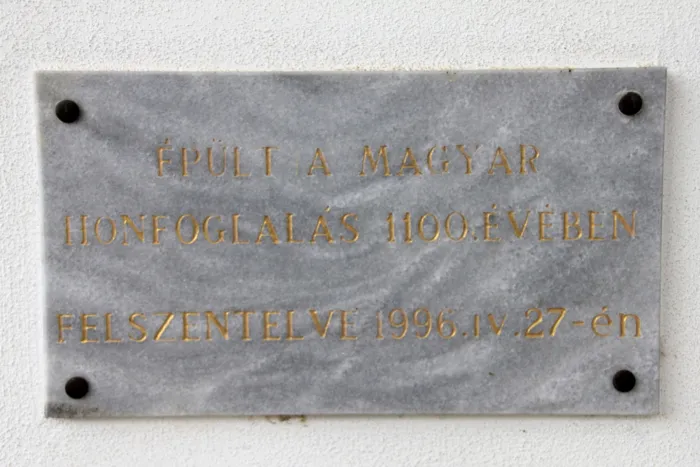
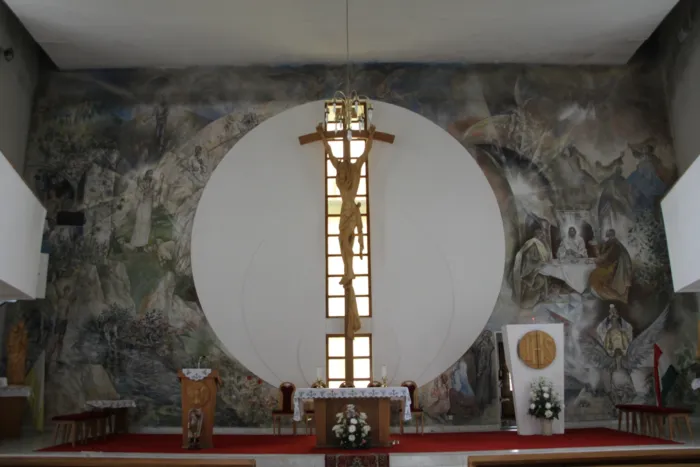
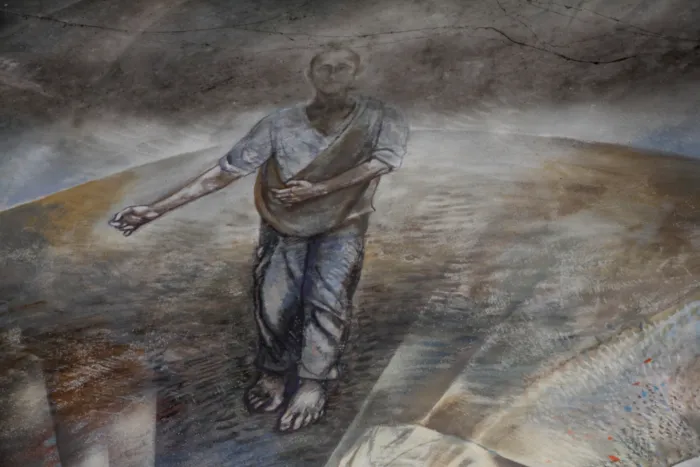
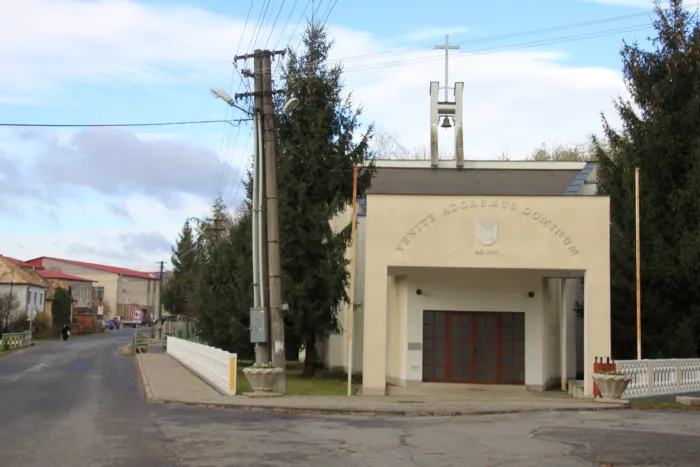
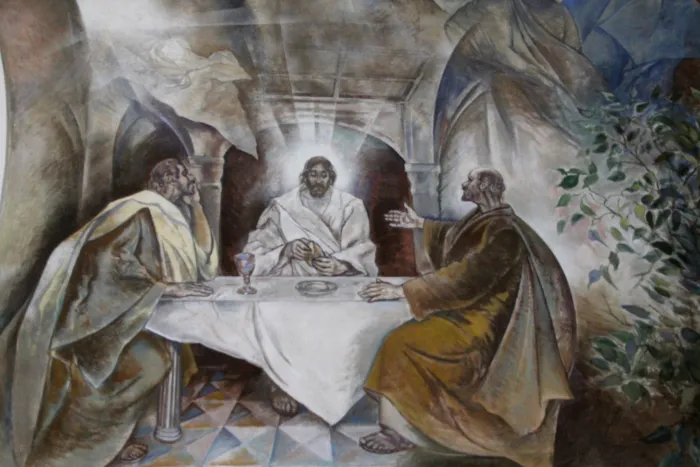
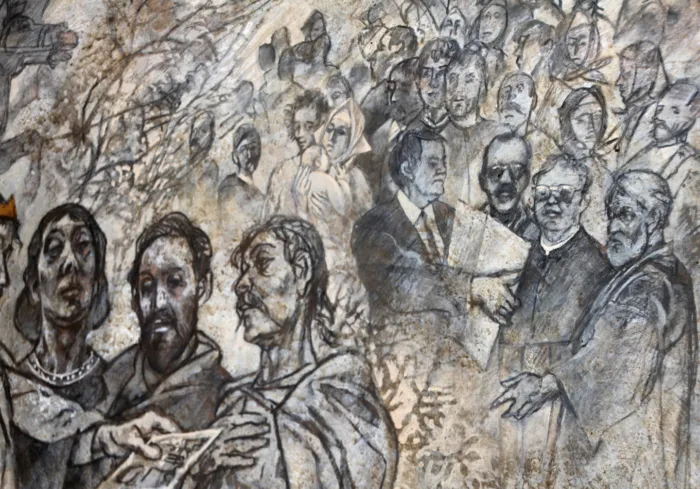
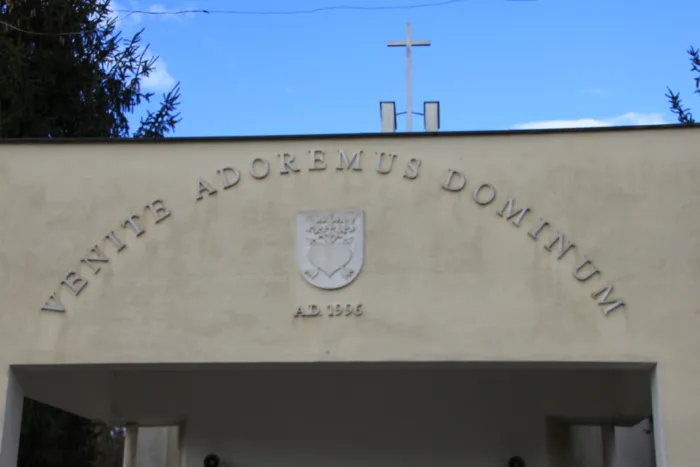
There are hardly any villages in our region where there are two churches of the same denomination. One of these rare settlements is Lukanénye, a former Hont County village with a population of nearly one and a half thousand. … Zoltán Pintér [former parish priest of the settlement] later recalled the church constructions: ; “ ... But there was joy in Lukanénye too, because on the same afternoon [November 6, 1993] the bishop blessed the foundation stone of the Good Shepherd Church in Nénye. Everything happened in the 1100th year of the Hungarian conquest, which is marked by a marble tablet on the wall of the church.” (2000:111) ; Originally, only a chapel was planned for Lukanénye, but instead a beautiful modern church was built… The house of God named after the Good Shepherd was consecrated in April 1996, the year of the millencentenary.”(2012.http://ujszo.com) ; The north-south oriented church stands in the middle of today’s village, next to the stream flowing through the village, near the old statue of Saint John of Nepomuk. The wall height of the trapezoidal building gradually decreases from the straight-sided northern sanctuary to the entrance hall, and its width widens from the entrance to the sanctuary. The western and eastern walls are three-axis, and a tall window illuminates the interior in the wall fields divided by narrow pillars. A small sacristy was built against the northern wall, and above the sanctuary is the open hussar tower. The tower is two-story, with a small bell in the lower part, and a white straight-stemmed bell tower above. cross rises. The bell was made by György Híves and his family, and Vince Tóth and his wife, Mária Batta. The two tower walls also run along the front wall of the sanctuary, almost like pillars, sandwiching its tall, narrow window. ; Above the southern main entrance we can see a columnar balcony, with the coat of arms of Mrs. Lukanénye on its facade, and the inscription: “Venite adoremus Dominum/ A.D. 1996” A white marble tablet has been placed to the left of the wooden-framed, glazed square door, one of which reads: Foundation stone dedication/ 1993 Nov. 6. The other tablet reads the following text: Built by the Hungarians / in the 1100th year of the conquest / Consecrated on 1996 Apr. 27. … ; The wall of the church’s entrance hall is decorated with a large fresco by László Patay depicting scenes from the conquest. /…/ His works adorn the walls of several churches. He painted the picture of the Conquest of Hungary in 1997, but he also painted the altar wall of the sanctuary, the 86-square-meter secco, in 1996. The wall behind the altar table of the sanctuary is divided into two by a large spherical shape. This is bisected by a narrow high light opening, in front of which a beautifully crafted large crucifix can be seen. The upper arm of the crucifix has a segmental arch, the corpus is also made of wood. Christ's head with the crown of thorns looks forward, the hands of his arms, nailed vertically to the cross, reach the space above the cross, his legs are bent at the knees, their feet on top of each other. In addition to the loincloth, a shroud can also be seen on his right foot. The crucifix is the work of Ján Chovan, as are the statues and stations of the church.