
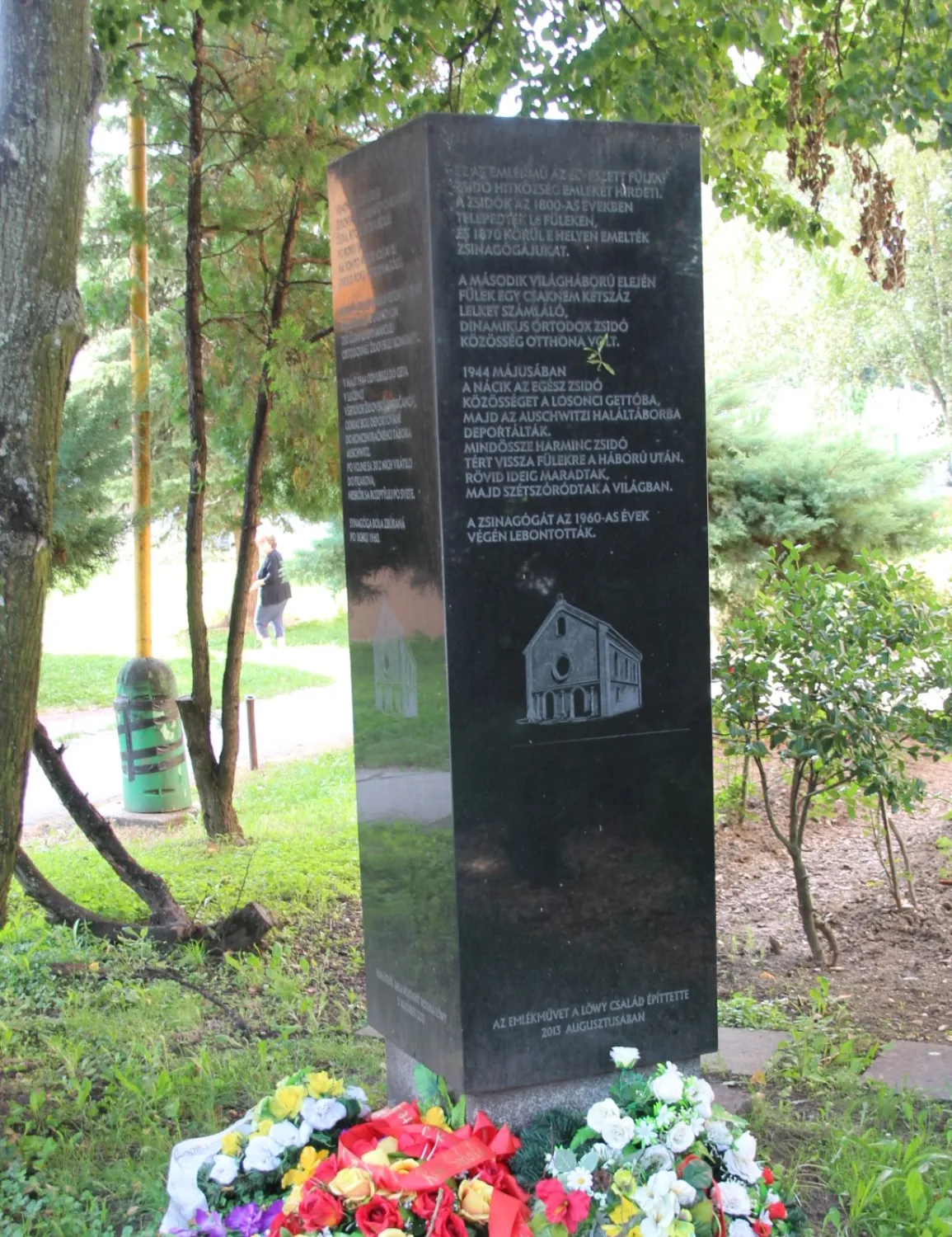
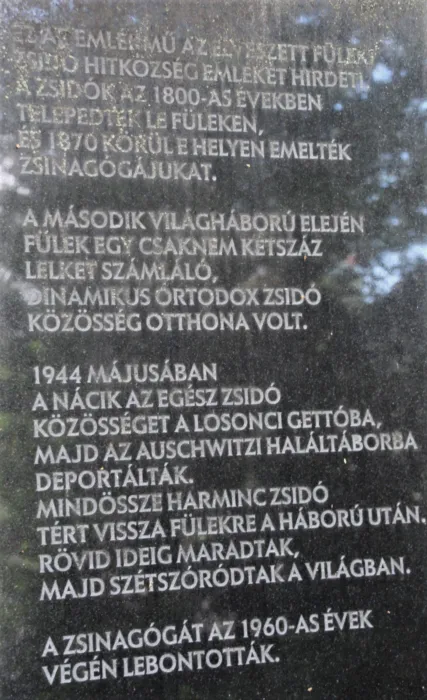
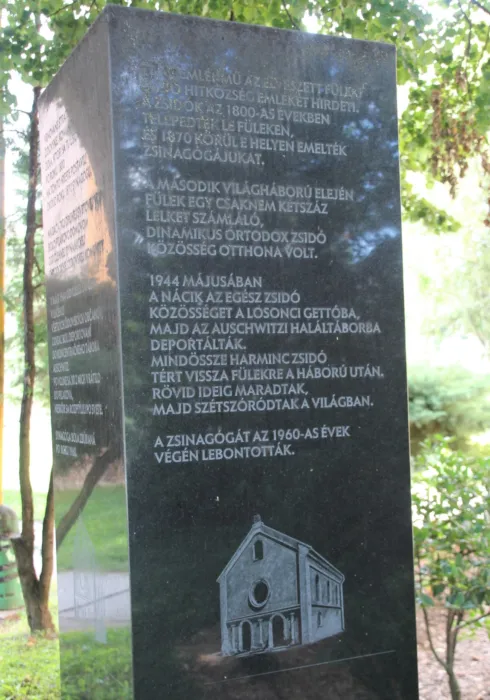
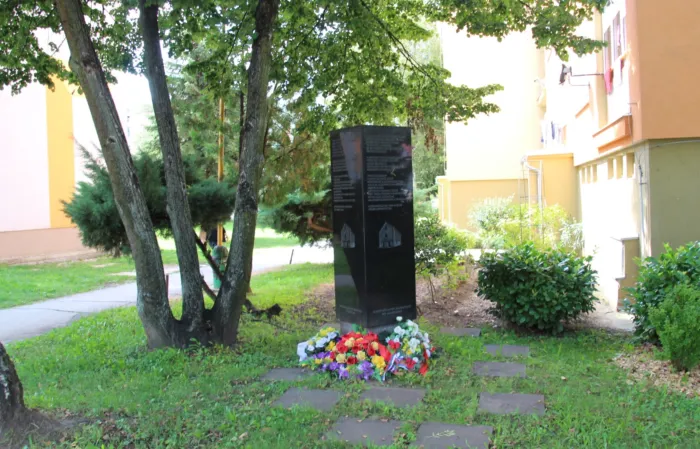
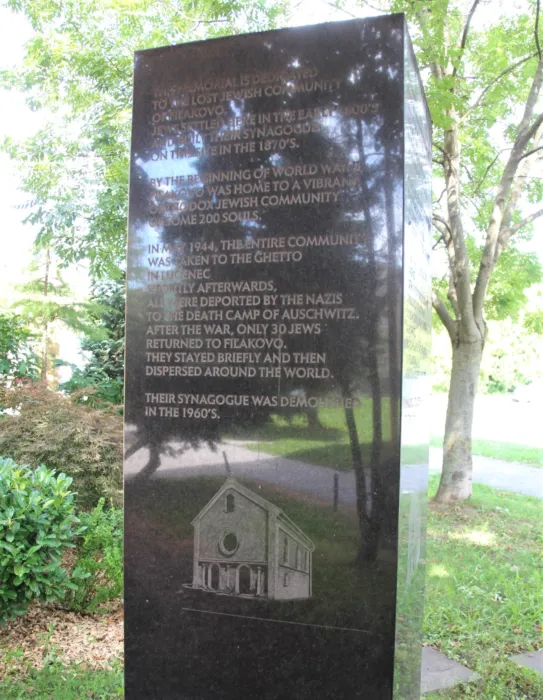
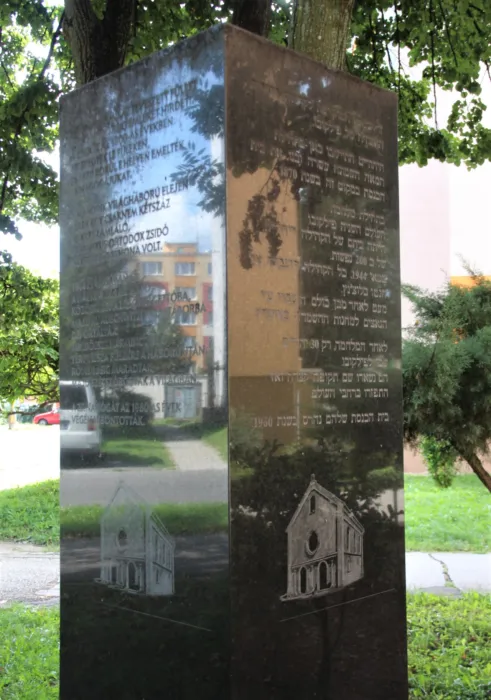
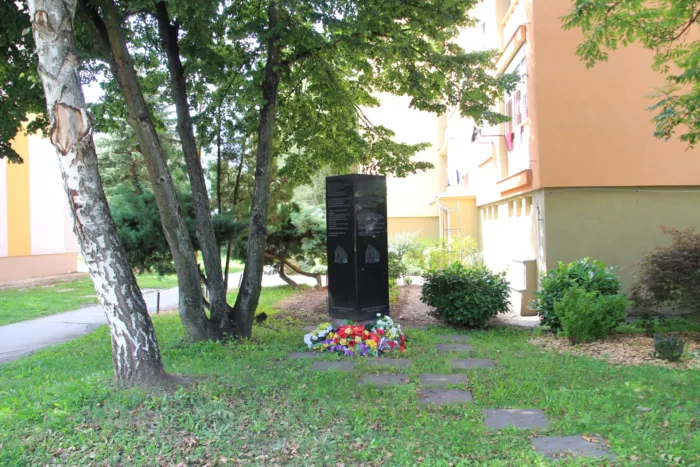
The memorial column of the former synagogue of the Jewish community of Fülek, the victims of the Holocaust
Statue, monument, memorial plaque
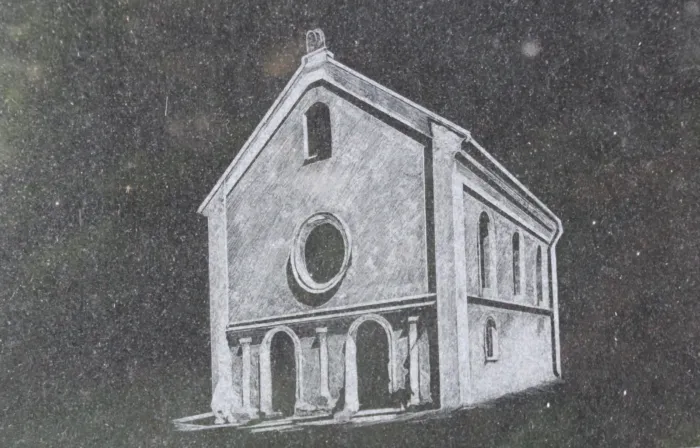
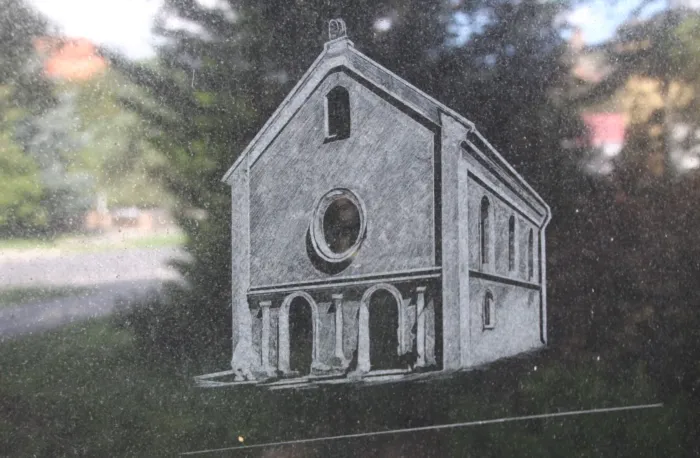
The Fülek community was founded in 1820. Several families had already settled here before - the Lázár, Kohn, and later the Büchler and Lemberger families - all of whom were involved in trade. The community initially had only 10-12 members, who naturally could not afford to build a church, and therefore held services in private homes. The community initially belonged to the Losonc rabbinate and only after the 1867 congress did it become an independent Orthodox community. Büchler chose Pinkász as its first rabbi, who after a long and blessed career moved to Mór and later received a royal decoration in recognition of his merits in the field of developing religious life. The thriving community decided in 1873, at the initiative of the then community president, Áron Adolf Büchler (son of the famous rabbi from Dunaszerdahely), to build a church. The foundation stone was laid that same year and the church was built the following year. The two-story building with a floor area of 8x16 m and a tent roof was one of the most beautiful churches in the region. ; In 1874, Pinkász Büchler was invited to Mór as chief rabbi, and since then the rabbi's position has been filled by members of the famous Tannenbaum and Jungreiss families. The community has always been led by capable, agile presidents, among whom Adolf Büchler, Lajos Büchler, Ignác Lázár, Dávid Schwarc, Márton Lengyel, Miksa Büchler and Jeremiás Krämer have achieved special merits. The Chevra Kadisa (Holy Society) was founded in 1843. The Talmud Torah and yeshiva (school) of the community operate under the leadership of the chief rabbi. A significant factor in the economic life of Fülek is the enamelware factory employing 800-1000 workers, which was established by Ehrlich G. Gusztáv around 1908. Sándor Büchler, the son of Pinkász Büchler, the famous Keszthely rabbi and university professor, and Ferenc Groszmann, the excellent chief physician of the Bródy Hospital, came from Fülek. ; 4 of the community members who participated in World War I died. ; The greatest tragedy of the community was brought by the German occupation on March 19, 1944. At that time, about 160 Jews, mostly elderly people, women and children, lived in Fülek. In May 1944, as part of the radical anti-Jewish measures, the Jewish residents of Fülek and the surrounding villages were gathered and taken to a ghetto established in Losonc at the beginning of July, where they remained until June 4. They were then transported via Balassagyarmat to the Auschwitz death camp between June 11 and 14, 1944. Most of them ended their lives in the gas chamber. ; The synagogue became ownerless after the end of World War II, was nationalized and used as a grain warehouse. It was demolished during the settlement of the district, along with the adjacent buildings and the Jewish school, in the late 1960s. ; In memory of the Jewish community of Fülek, the former synagogue and the victims of the Holocaust, a memorial column was erected in 2013 with the financial support of the Lőwy family, originally from Fülek and now living in Sydney. The column stands on the site of the former synagogue.