
The Black Eagle Inn
Building, structure
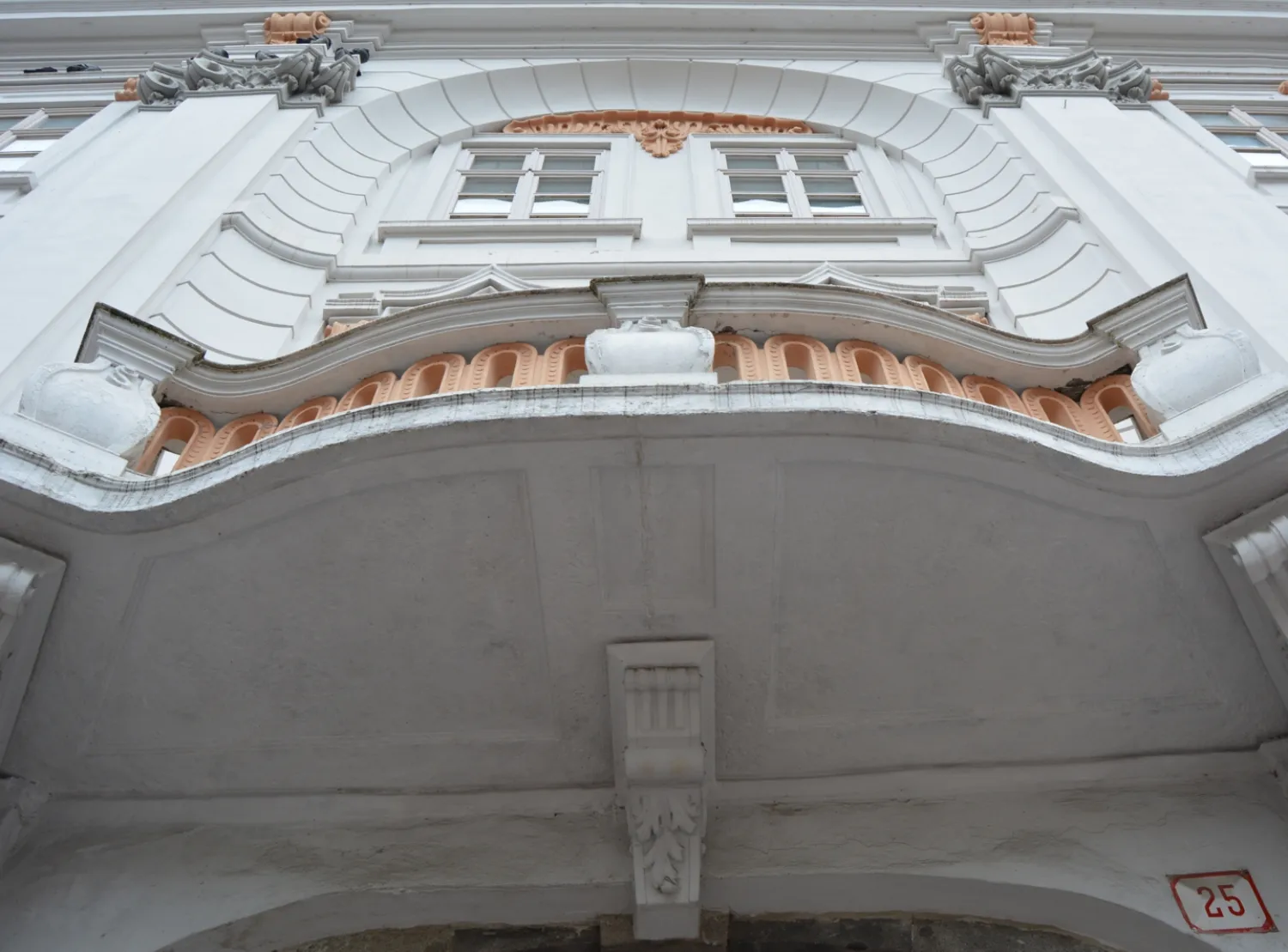
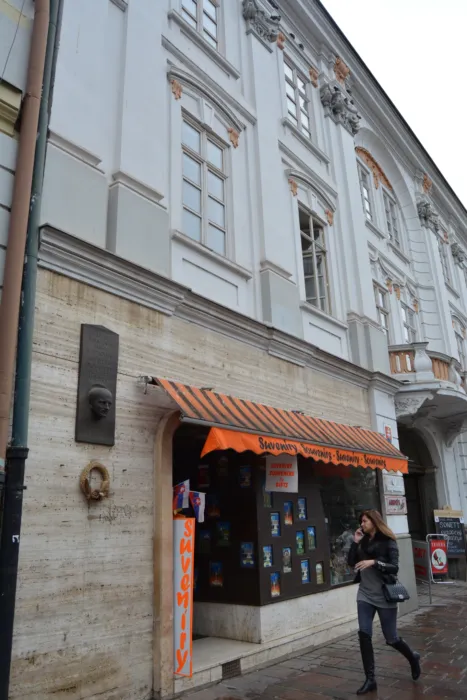
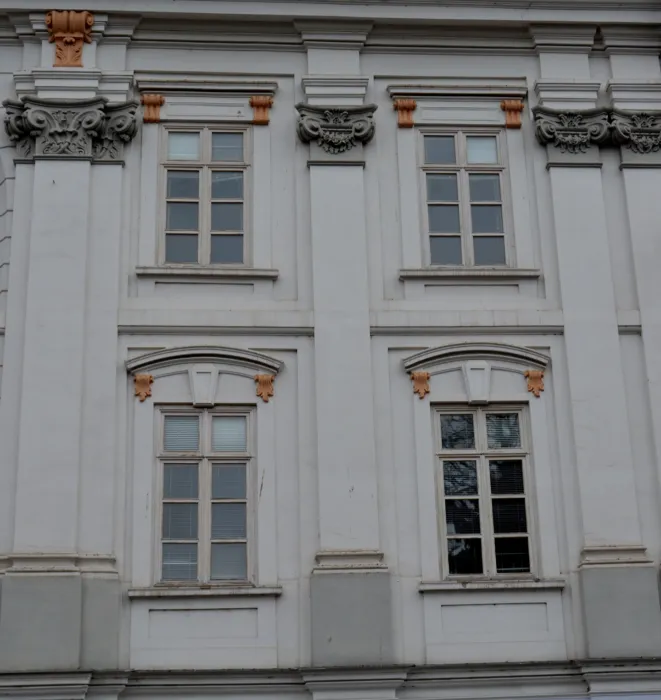
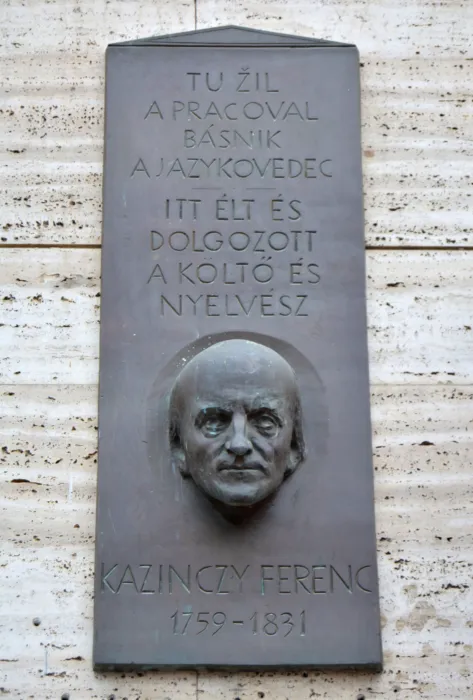
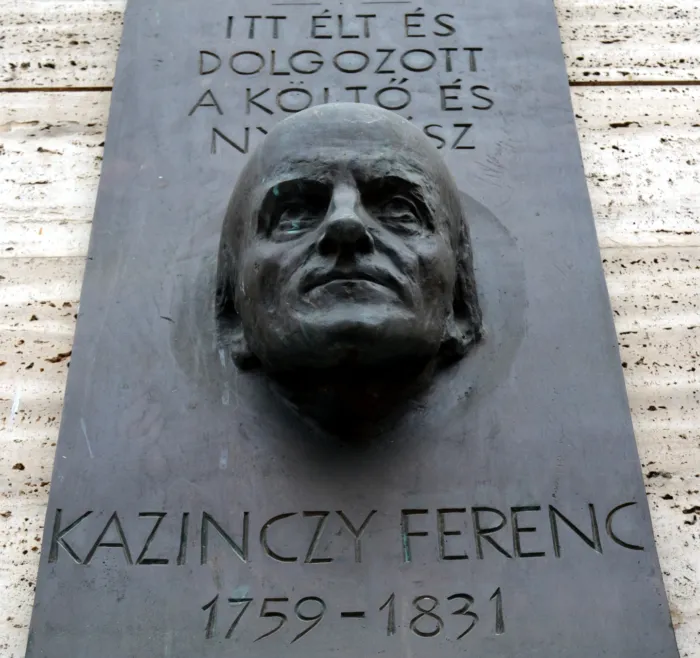
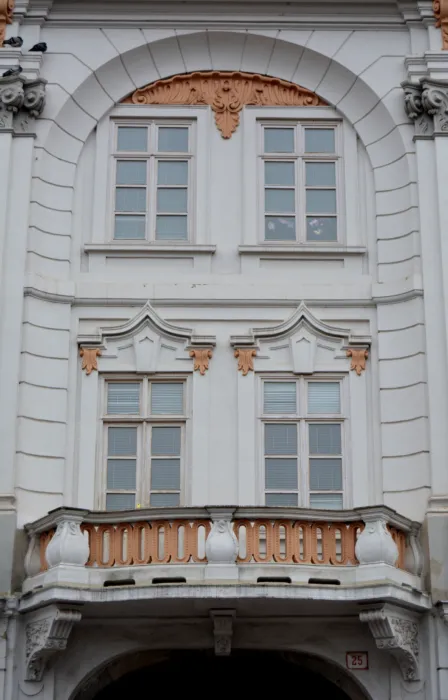
Built on medieval foundations - on the site of two earlier medieval houses - the two-storey inn acquired its current, richly decorated, classicising late Baroque form in 1782. It was named after the black eagle seen in the coat of arms of the Habsburgs, which was also featured in the house's signet. ; It was considered a representative accommodation of the city, so Emperor Joseph II stayed here in 1783. ; The house came into the possession of Ferenc Kazinczy's father-in-law, Lajos Török, at the end of the 1700s, so it is obviously no coincidence that Ferenc Kazinczy himself first lived here upon arriving in Košice. The Csemadok (Slovak Hungarian Social and Cultural Association) placed its memorial plaque on the wall of the building in 1994. The work, created by the sculptor György Bartusz from Košice, bears the following inscription in Slovak and Hungarian: “The poet and linguist, Ferenc Kazinczy 1759 – 1831, lived and worked here.” ; In 1845, when Sándor Petőfi came from Budapest to visit his friend, Frigyes Kerényi, a poet living in Prešov, he interrupted his journey and stayed overnight in Košice, at the Fekete Sas inn. ; After the suppression of the Hungarian War of Independence in 1848/49, the imperial police seized the building for their own purposes and opened a prison in it. Mihály Tompa, a poet and Calvinist pastor, was imprisoned here twice in 1852/53 because of his poems. ; The city police operated here until 1927, and then it was used as a soup kitchen until 1945. ; The back, courtyard part of the house is a typical Košice “back yard” with a long, narrow, open corridor wing with a long, narrow courtyard, the far end of which opens onto the next street. ; Since 1992, the District Monument Protection Office has been located on the upper floors of the building. The courtyard part houses the Fekete Sas Restaurant and a few other smaller shops, as well as a hairdresser.