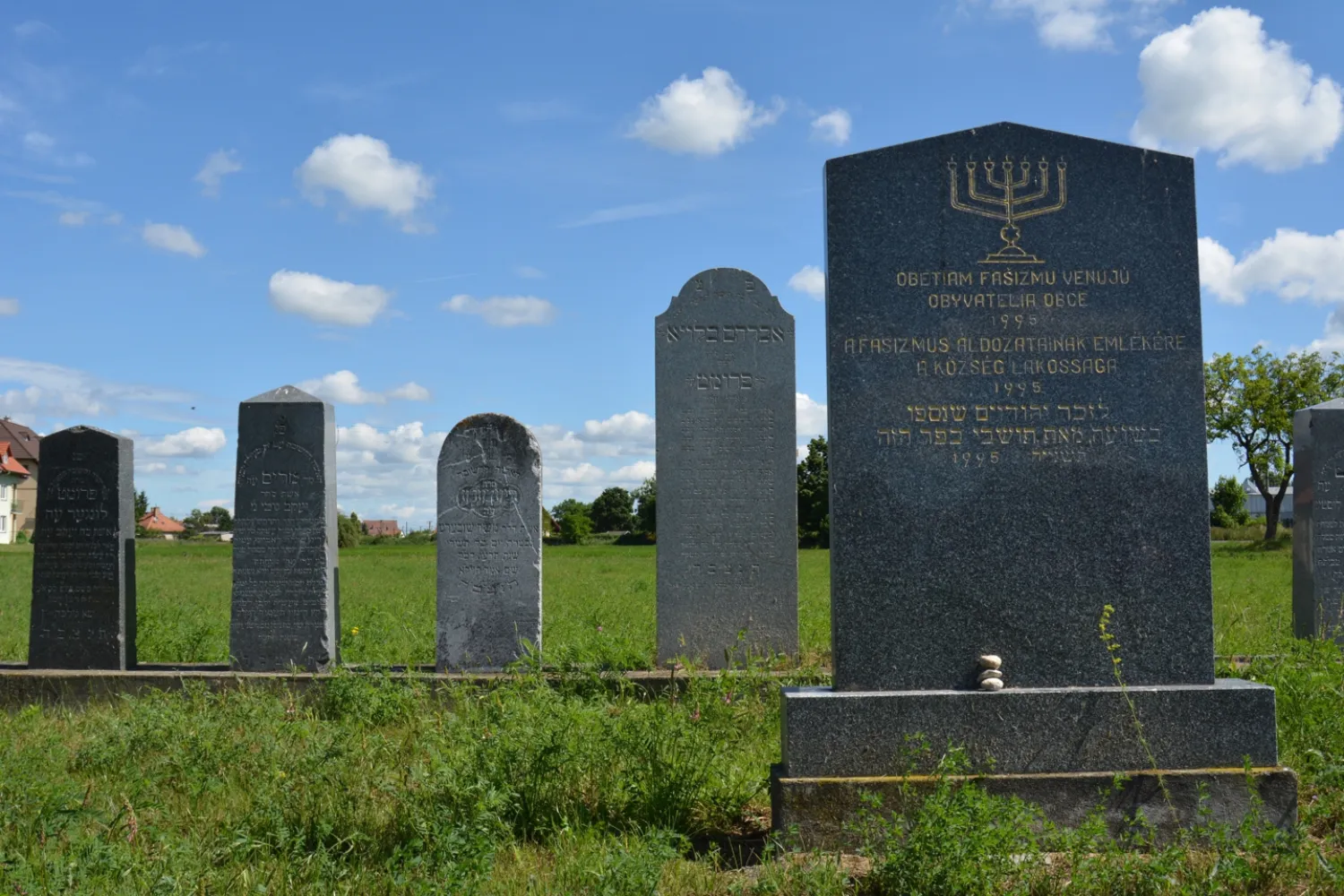
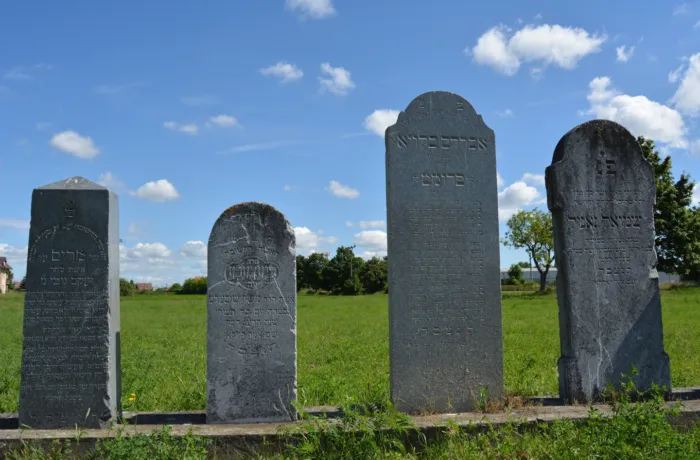
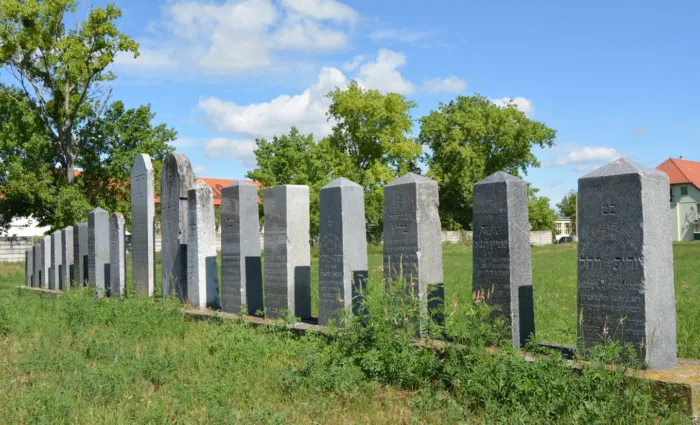
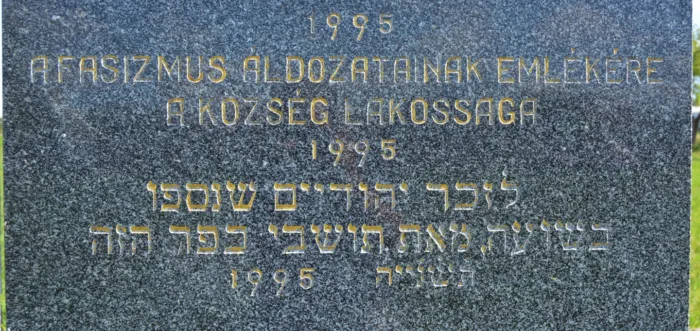
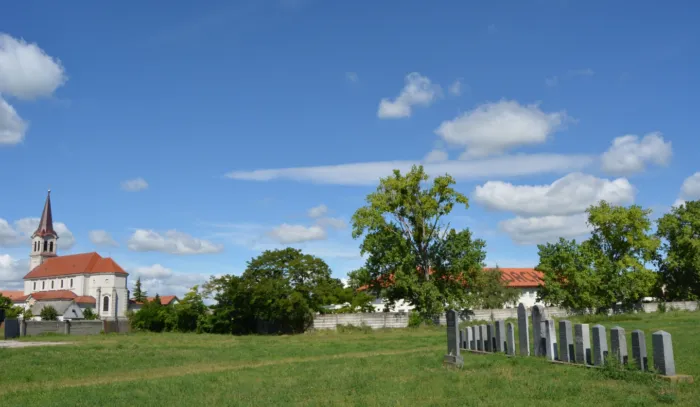
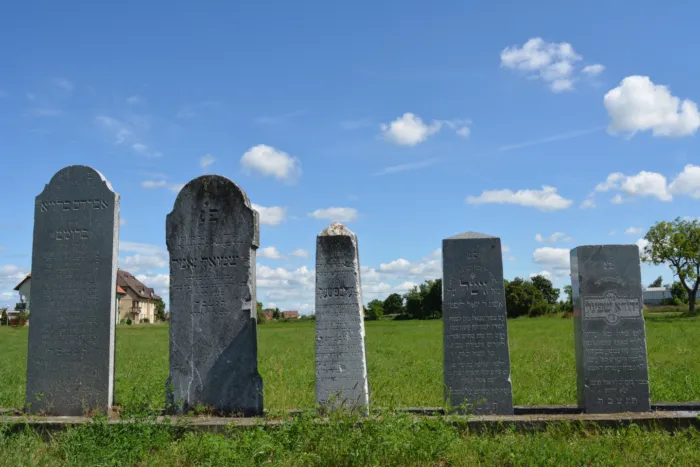
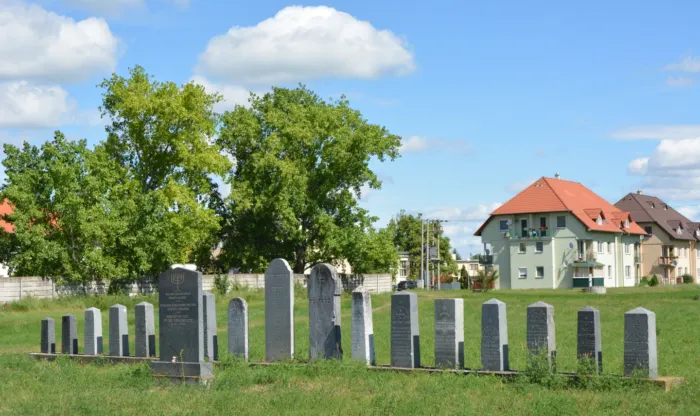
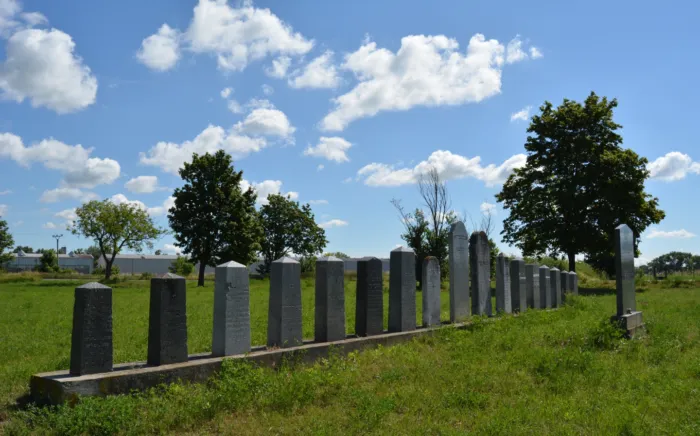
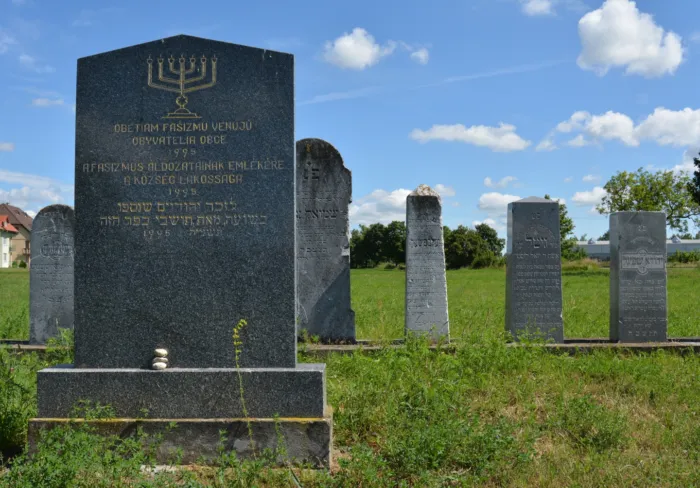
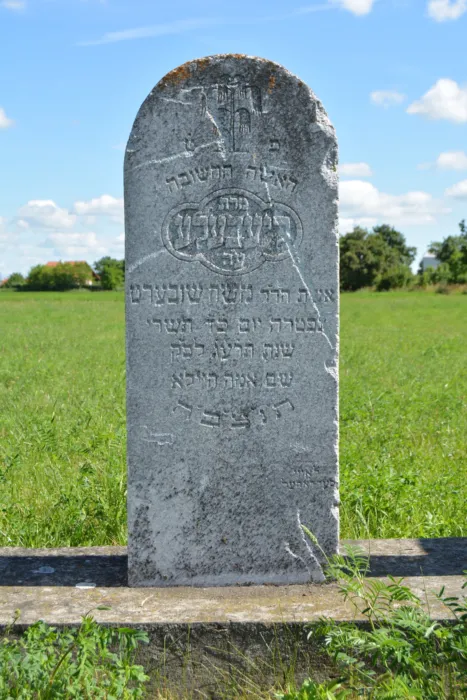
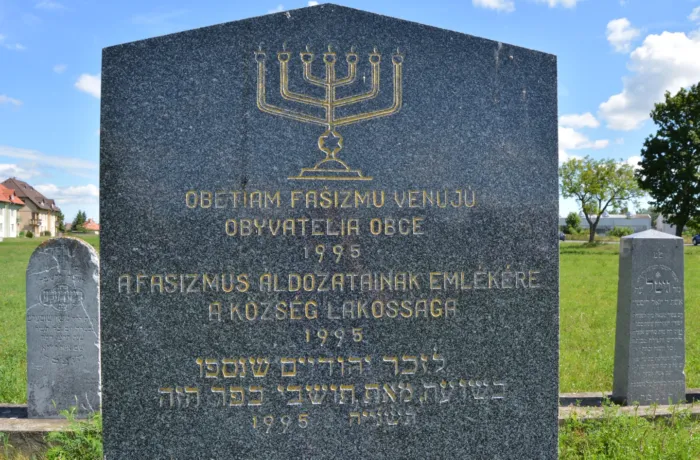
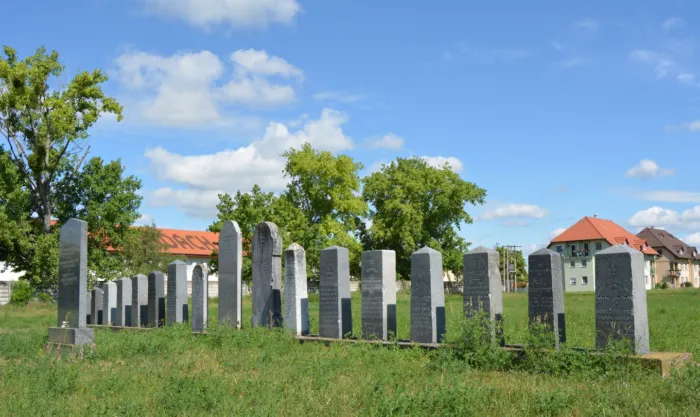
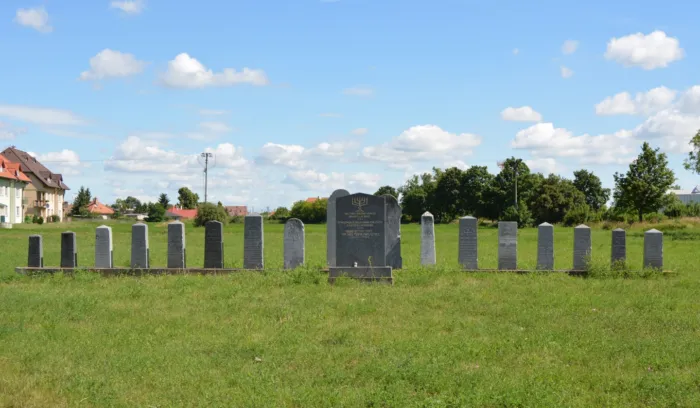
Monument to the victims of fascism
Statue, monument, memorial plaque
The Orthodox community was established in the early 18th century, and its founders were Jews from the Vienna area and from Bohemia and Moravia. The first synagogue was built in 1778. It can be assumed that a Chevra Kadisha was operating in the settlement from the very beginning. The first rabbi of the community was Strasser Eliezer, who was active around 1827. A rabbi continuously operated in the settlement throughout the 19th century. The religious life of the community was led by Saul Brach between 1891 and 1910, who operated a yeshiva (a traditional Jewish theological college), wrote numerous books, and his speeches were collected and published. The last rabbi of Nagymagyar was Naftali Zvi, who was killed in Auschwitz. ; The majority of the members of the local Jewish community were grocers, artisans, livestock dealers, and farmers. Although there were no particularly wealthy individuals among them, after 1938 their displacement from various areas of life began. In 1941, the settlement had 1,785 inhabitants, of whom 251 declared themselves Jewish. ; In the spring of 1944, the Jews of Greater Hungary were rounded up and transported to Dunaszerdahely, from where they were all deported to Auschwitz. After the war, 10-15 percent of those deported returned. However, the majority of them made aliyah (emigrated to the state of Israel) in the late 1940s, so the religious community with a long history ceased to exist.